
Reed switches and Hall effect sensors are two widely used magnetic sensing technologies, each offering distinct advantages depending on power, speed, reliability, and environmental requirements. While both rely on magnetic fields for actuation, their operating principles differ significantly making the choice between them critical for system performance and efficiency.
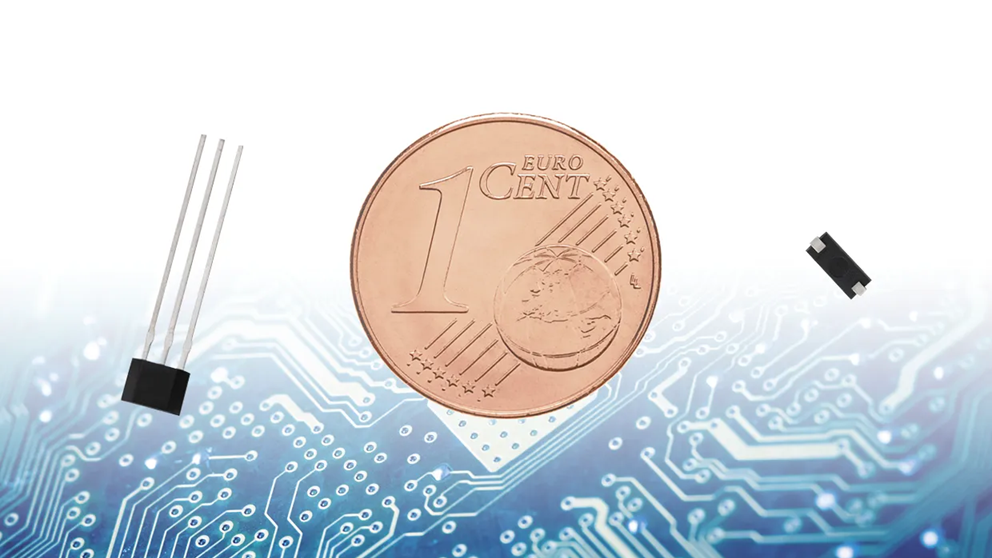
Two Diverse Magnetic Sensing Solutions Have Key Features for Specific Applications
If there are particular areas you need help with, feel free to skip to any of the following sections:
- Introduction
- Reed Switches vs. Hall Effect Sensors: Operating Principles
- Power Consumption: Why Reed Switches Excel in Low‑Power Designs
- Switching Speed and Application Use Cases
- Conclusion
Introduction
Reed switches and Hall effect sensors are two widely used magnetic sensing technologies, each offering distinct advantages depending on power, speed, reliability, and environmental requirements. While both rely on magnetic fields for actuation, their operating principles differ significantly making the choice between them critical for system performance and efficiency.
This article compares reed switches vs. Hall effect sensors, exploring key differences in power consumption, switching speed, hysteresis, size, and reliability to help engineers and designers select the right magnetic sensing solution for their application.
Demand for reed switches has risen largely in the recent past due to new power usage standards. Reed switch technology uses no power in its passive state, making it a suitable magnetic sensing alternative to Hall effect sensors. Especially, uses where low power consumption is key.
Reed Switches vs. Hall Effect Sensors: Operating Principles
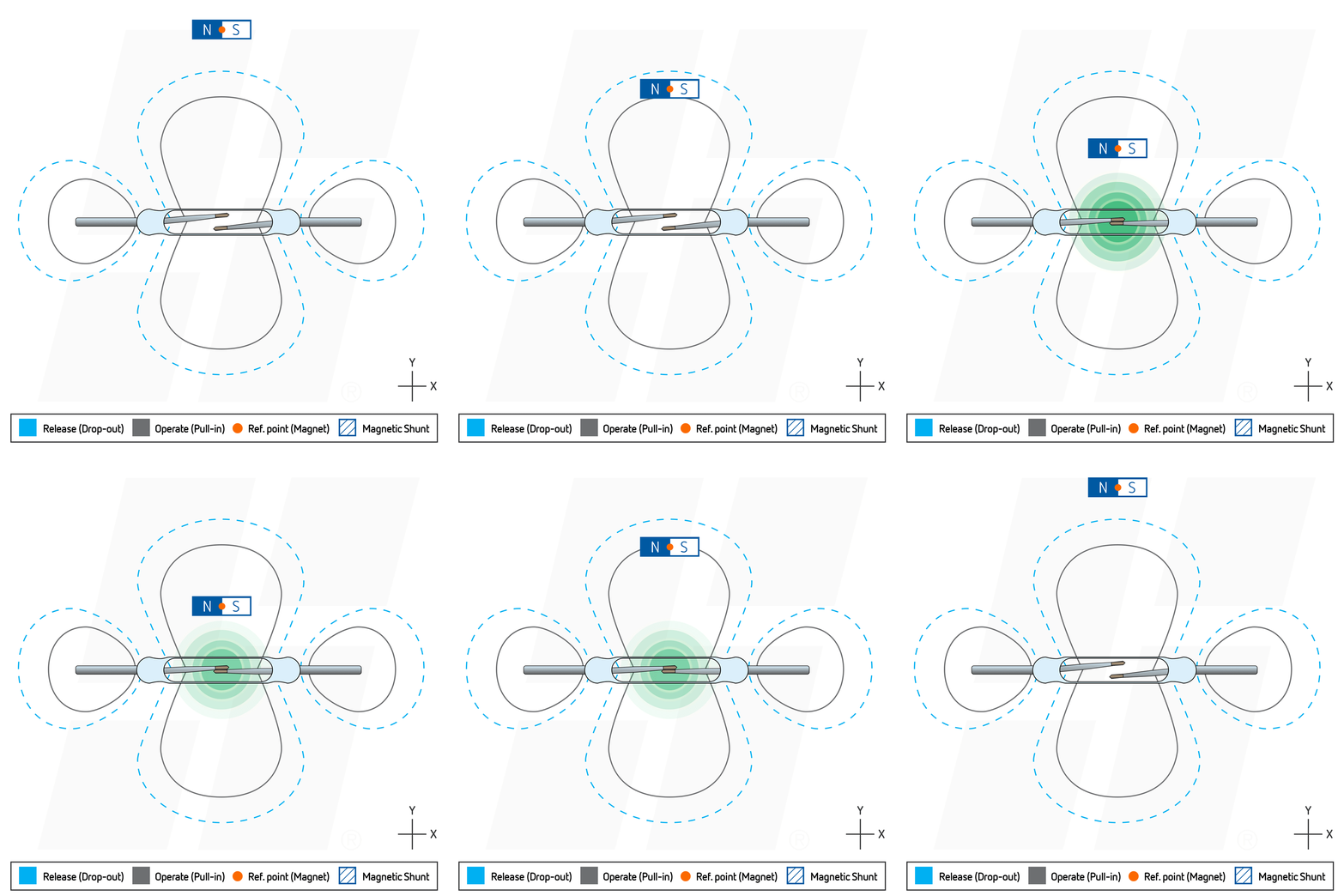
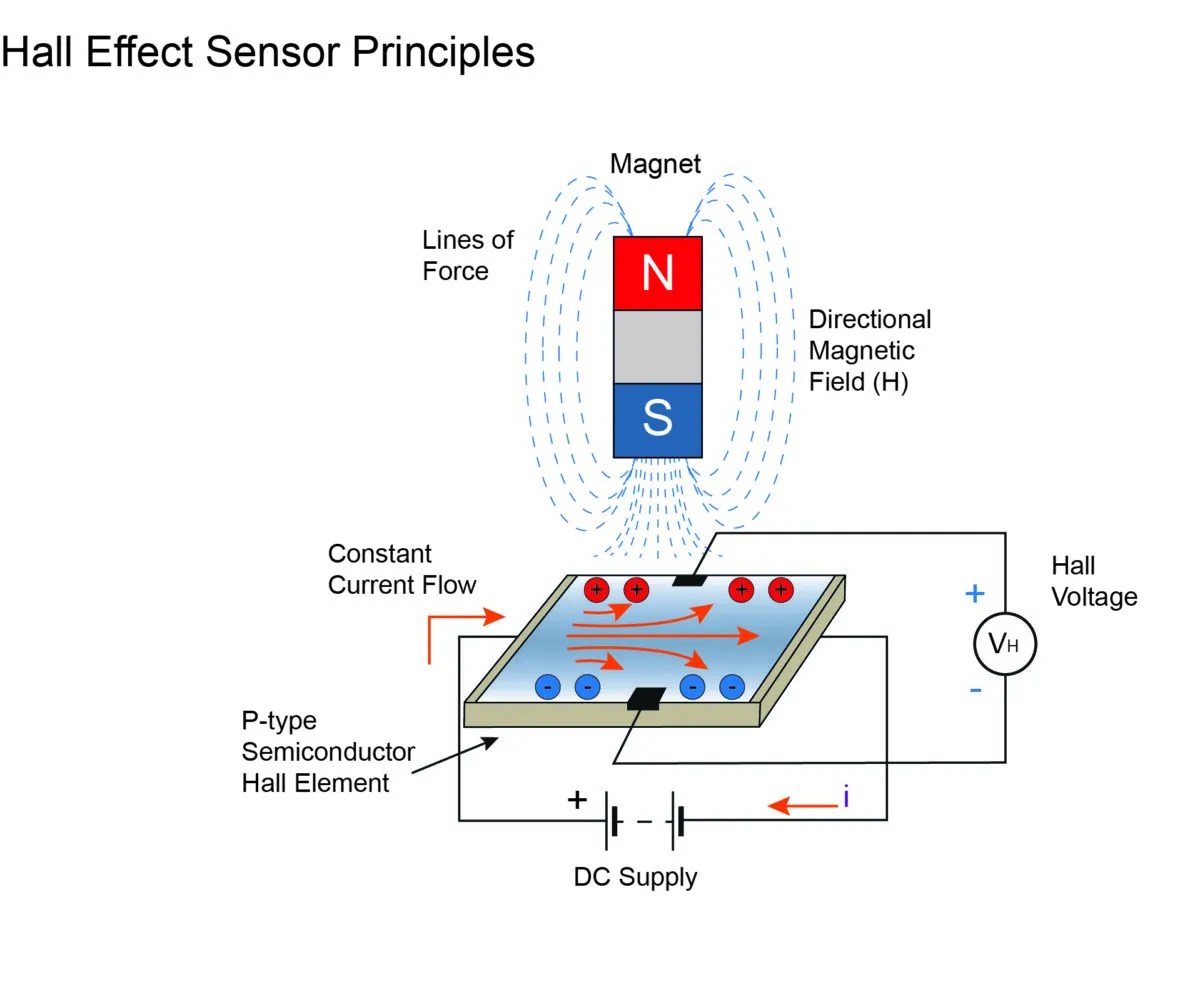
Reed and Hall effect technologies use different design concepts. Both switch types operate using an external magnetic field. However, Hall effect sensors require an electrical circuit and continuous power to produce an output signal, even in their inactive state. On the other hand, reed switches consume no power and only operate in the presence of a magnetic field. Therefore, one key difference between the two magnetic sensing technologies is their power efficiency.
Reed Switches vs. Hall Effect Sensors: At a Glance
| Feature | Reed Switches | Hall Effect Sensors |
| Power consumption: | none | continuous |
| Switching speed: | <1 kHz | >1 kHz |
| Environmental durability: | excel in harsh environments | |
| Circuit complexity: | simpler and passive | |
| Best fit: | low-power sensing | high-speed detection |
Power Consumption: Why Reed Switches Excel in Low‑Power Designs
Demand for reed switch sensors has risen greatly in light of Germany’s energy transition and the need to prioritize energy efficiency.
Martin Reizner, Product Manager Magnetic Position Sensors EMEA
Reizner does not see this trend coming to an end any time soon. “More and more sensor manufacturers are selecting reed technology for reducing power consumption.” Home appliances and battery-powered devices are making the biggest shift to reed switch technology. In other words, reed switches are quickly becoming the new magnetic sensing technology of choice for low power designs.
Switching Speed and Application Use Cases
The reality is: “Both sensing technologies have their own specific uses,” Reizner adds. He believes that Hall effect sensors are better suited to high-speed detection above 1 kHz. Where the reed switch meets its physical operating limits. Conversely, Reizner recommends reed switches for switching below 1 kHz such as with flow meters.
Martin Reizner, Product Manager Magnetic Position Sensors EMEA
Hysteresis Improves Water Flow Detection
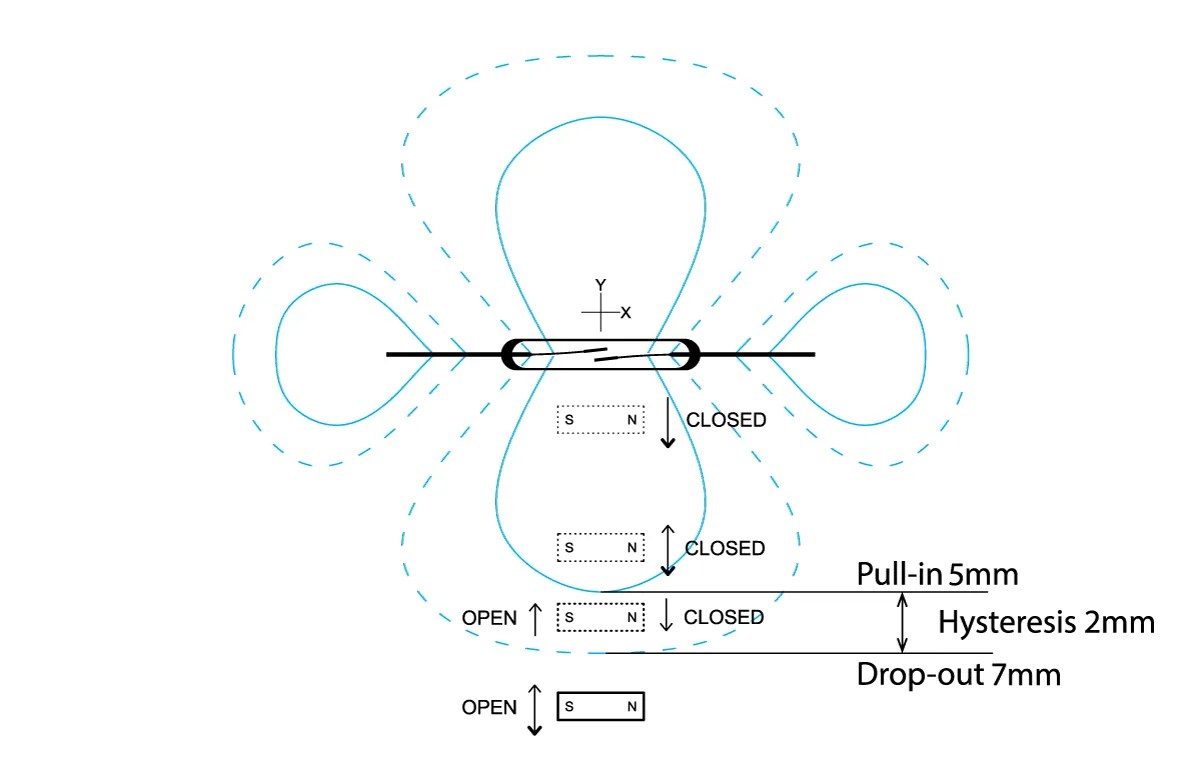
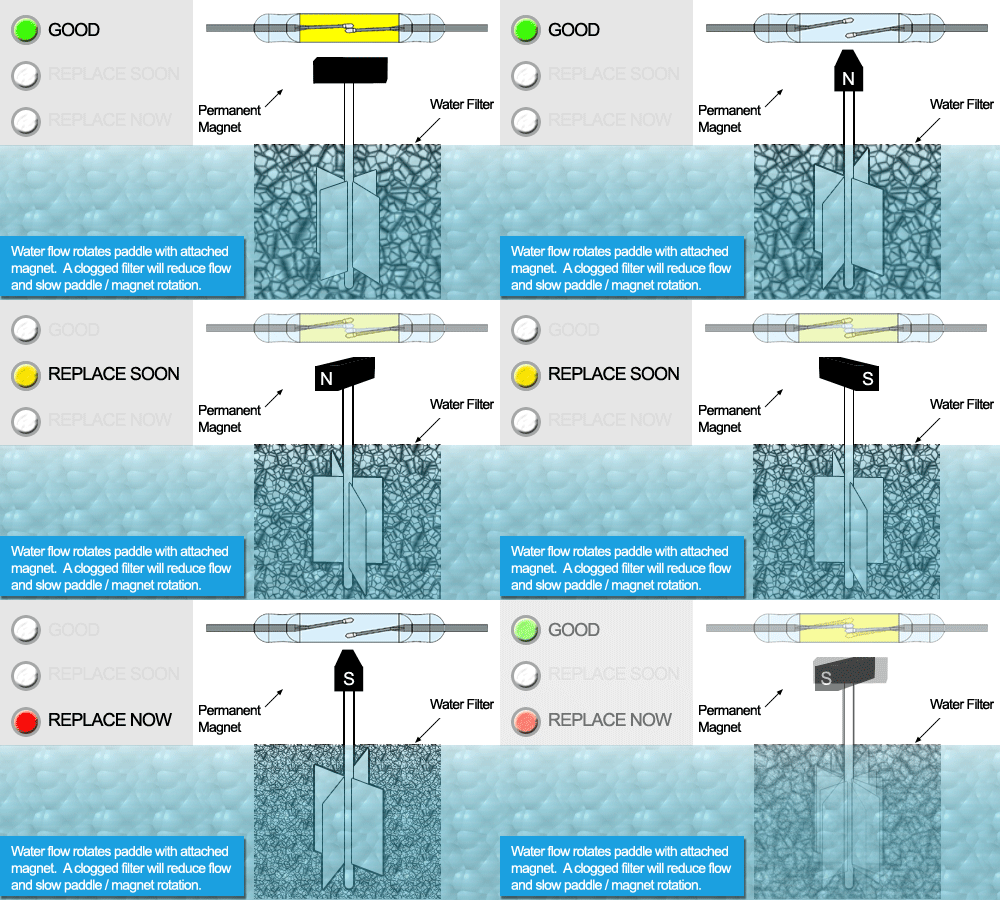
Hysteresis is the difference between the open and closure points of the switch; unique to reed technology. Defining switch hysteresis in specific applications gives reed switches another advantage over Hall effect sensors. The below example explains how hysteresis is used in a water flow meter.
Switch hysteresis is one of the most important functional advantages of reed switch technology and plays a critical role in preventing false activations.
- Example: Let’s say the reed switch contacts close at a pre-defined pull-in point of 5 mm from the magnet. And the contacts open or drop-out at 7 mm. Then the switch hysteresis equals 2 mm. In other words, 5 mm / 7 mm = 0.71 x 100 % = 71 % meaning the switch will activate at 71% of its release point
Using Switch Hysteresis in Water Flow
A water flow meter with a paddle wheel is one example where a given hysteresis value may be set. Random water waves or vibration can cause the paddle wheel to move slightly. As a result, the paddle’s movement would activate the sensor. In turn, causing a false water flow detection. Defining the switch hysteresis will ensure the water flow reaches a set rate before the sensor activates. In conclusion, only reed switch hysteresis can prevent false water flow readings. Inversely, Hall effect sensors activate or deactivate with any water movement.
World’s Smallest Reed Switches
Reed switches are made of simple mechanical elements which are cost effective to produce compared with Hall effect sensors. Hall sensors are much harder to make. Additional external switches and amplification circuitry is needed. As well as, temperature stability, short-circuit protection and power consumption.
However in terms of small size, Hall effect sensors take the lead over reed sensors. Though, Standex Detect now produces the smallest reed switch in the world that is just under 4 mm long. As a result, compact reed switch sensor designs now compete with miniature Hall effect sensors.
Magnetic Sensors Reliability Perform in Harsh Environments
Reed switch technology performs reliably in harsh environments. The hermetically sealed glass envelope protects the reed switch from the environment. In other words, dust, oil, water, chemicals, and corrosion will not affect the sensors operation. Moreover, reed switches perform reliably in extreme hot or cold temperatures of -65°C to +150°C. In contrast, Hall effect sensors have tighter operating range of -55°C to +125°C.
Magnetic Isolation
Reed switches don’t require any protection against electromagnetic discharge (ESD). So, reed switches will not magnetically interfere with nearby system electronics. Inversely, Hall effect sensors require magnetic isolation because they use a constant power supply to emit an output signal. Furthermore, special ESD protection is needed to prevent current leakage.
Contact Resistance
Finally, a reed switch’s insulation resistance is higher than 10^15 Ohms exceeding that of a Hall effect. Reed switches still produce leakage currents in the low femptoamp range. Values so minor however they don’t apply to medical devices. In summary, simple reed switches measure tiny voltages and operate at low 50 mΩ contact resistance. Well below what a Hall effect can achieve.
Moreover, reed switches have a wide operating range by design. Switching loads ranging from nanovolts (nV) to kilovolts (kV), from femptoamp to amps and up to 10 GHz. Even the smallest reed switches isolate up to 1,000 volts without ESD protection.
Conclusion
In summary, reed switches and Hall effect sensors each serve specific sensing needs. Reed switches offer unmatched energy efficiency, environmental robustness, and configurable hysteresis for low-speed applications. Hall effect sensors excel at high-speed detection and repeatability where continuous power is available.
Selecting the right magnetic sensing technology depends on operating conditions, power constraints, and performance requirements. As a magnetic sensing expert, Standex Detect specializes in engineering custom reed and Hall solutions to meet demanding application needs.
Related Articles
-

Where System Performance Meets Switching Design
Discover how relay characteristics influence signal integrity, measurement accuracy, and overall system performance. Learn why the switching path should be considered part of the measurement architecture.
-

High-Voltage Insulation Monitoring for Next-Generation BESS
Learn how insulation monitoring helps improve safety, reliability, uptime, and asset protection in Battery Energy Storage Systems (BESS). Explore high-voltage monitoring solutions for 1,000–1,500 VDC energy storage applications.
-

When Standard Sensors Aren’t Enough
Real-world applications rarely operate under ideal conditions. Temperature extremes, fluid exposure, vibration, contamination, and limited installation space can all impact sensing performance and long-term reliability. Learn how custom sensor solutions help overcome these challenges and deliver reliable operation in demanding industrial, transportation, EV, agricultural, and energy applications.
-
Reliable Sensing for Safer, More Efficient EV Systems
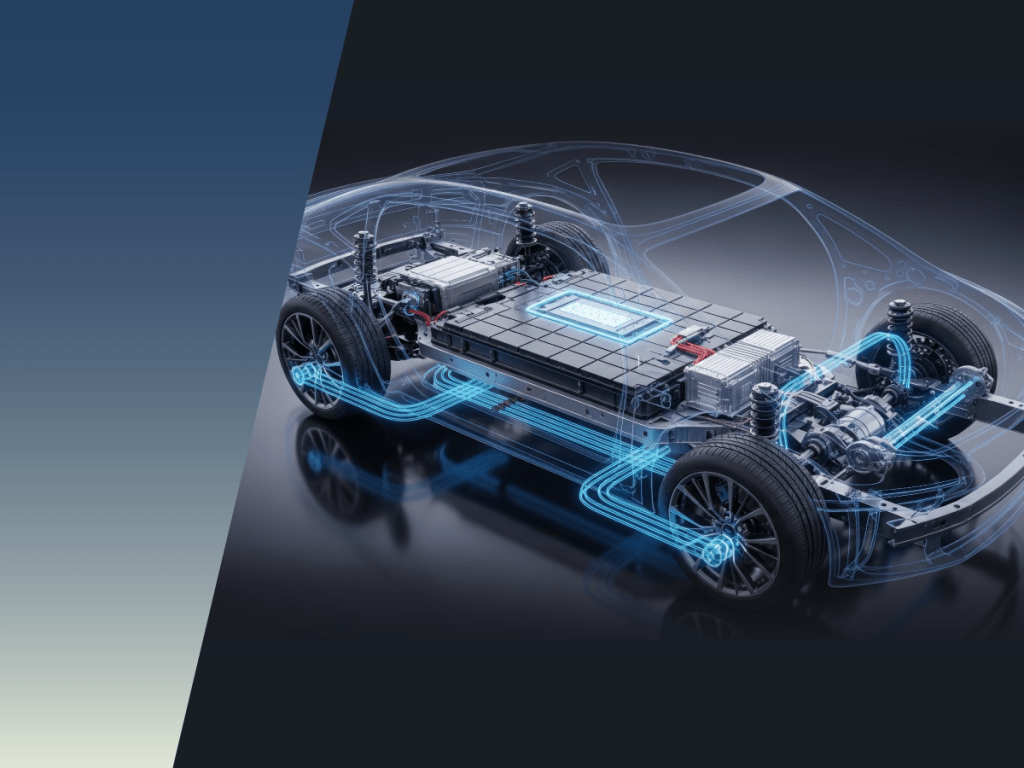
Learn how reliable sensing supports safer, more efficient EV systems. Explore applications in battery management, charging systems, fluid monitoring, and safety detection and discover how advanced sensing technologies help improve performance, reliability, and operational safety.
-

Designing High-Density Switching Architectures Without Sacrificing Precision
Learn how engineers can increase channel density while managing capacitance, crosstalk, and PCB design constraints in modern semiconductor test systems.