
Reed switches used in a reed relay application are critical for achieving precise, low‑level switching in modern electronic systems. A reed relay combines the hermetically sealed reliability of reed switches with an electromagnetic coil, making it ideal for applications that demand high insulation resistance, low contact resistance, and long operational life.
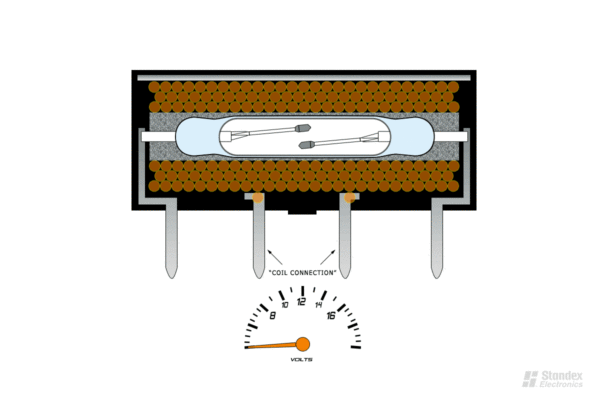
A reed relay application uses an electromagnet to control one or more reed switches. Reed relays are the answer to all of the other switching technologies that simply do not meet low-level switching requirements.
If there are particular areas you need help with, feel free to skip to any of the following sections:
- Introduction
- What is a Reed Relay?
- How Does a Reed Relay Work in Practice?
- Key Features of Reed Relay Applications
- Advantages of Using Reed Relays Over Other Technologies
- Common Reed Relays Applications by Industry
- Conclusion
Introduction
Reed switches used in a reed relay application are critical for achieving precise, low‑level switching in modern electronic systems. A reed relay combines the hermetically sealed reliability of reed switches with an electromagnetic coil, making it ideal for applications that demand high insulation resistance, low contact resistance, and long operational life.
In this article, we explain what a reed relay is, how a reed relay works, and why reed relay applications are preferred in industries such as automotive electrification, medical, renewable energy, and test equipment.
What is a Reed Relay?
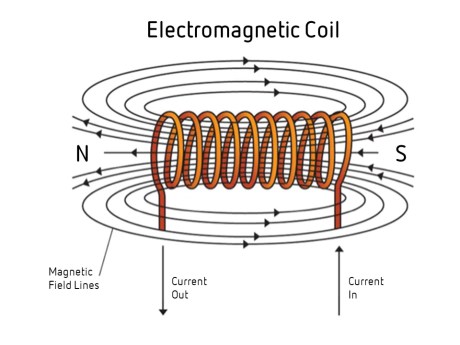
A reed relay is a type of relay that uses an electromagnetic coil to operate one or up to eight reed switches. The reed switch or switches are typically inside the relay’s coil. Insulated copper wire either wound around a bobbin or self-contained makes up the coil.
How Does a Reed Relay Work in Practice?
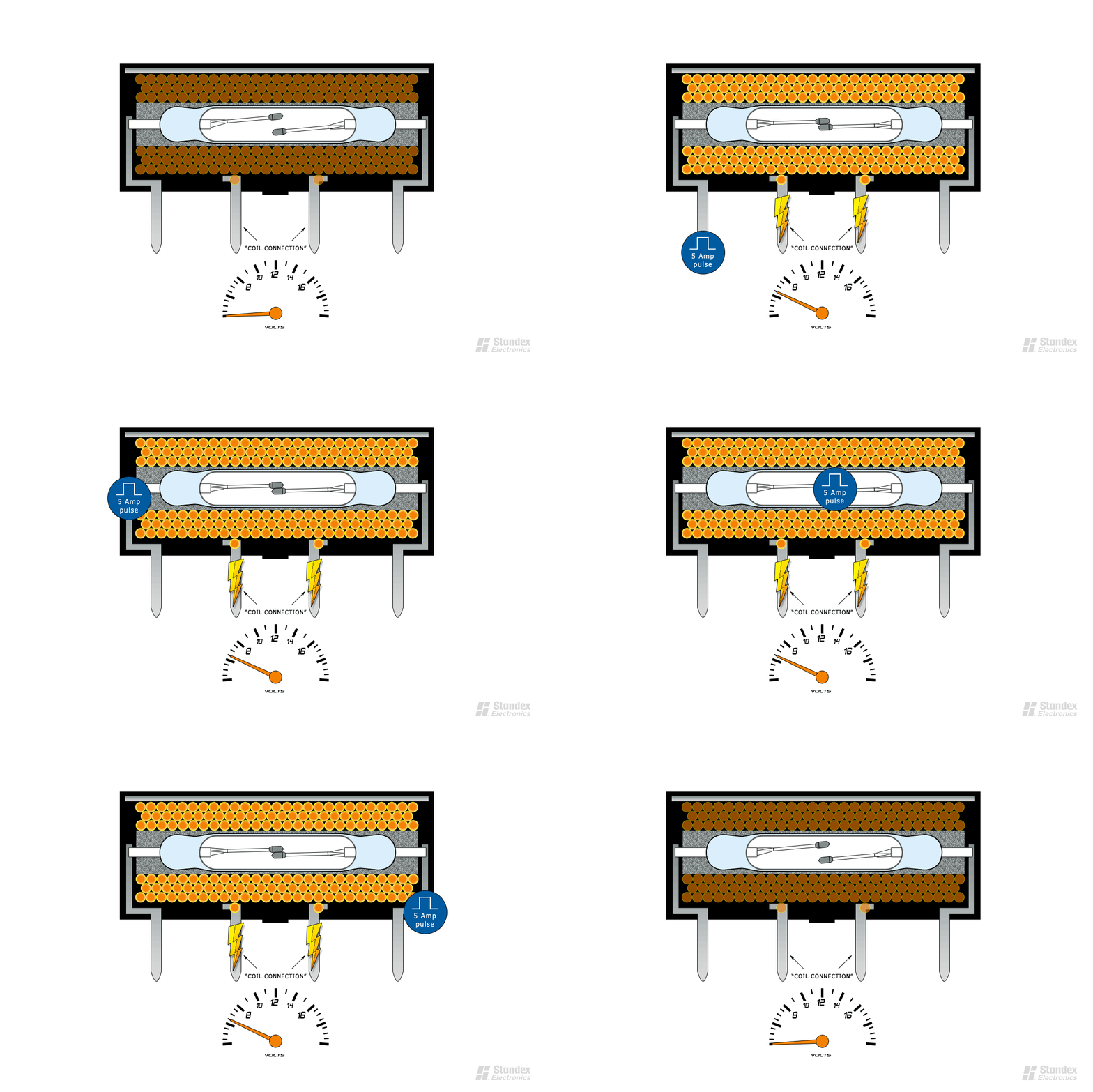
The most basic reed relay operates with a few simple steps. First and foremost, the relays’ electromagnetic coil generates current when voltage is applied. Next, the coil’s current produces a magnetic field that closes the reed switch contacts. Finally, removing the voltage from the coil opens the switch contacts.
Furthermore, reed relays can work in far more advanced ways. For example, an RF reed relay application is designed to switch high frequency signals. Placing a coaxial shield around the reed switch or switches allows the relay to switch signals up to 7 GHz. For more reed relay application examples, jump to the section: Where are Reed Relays Used?
Key Features of Reed Relay Applications
Reed relay features outperform semiconductor and electromechanical relays in several critical areas:
Exceptional lifetime
No internal wear parts allow billions of low‑level switching operations
Zero-voltage and zero-current switching
Not achievable with other relay technologies
Low capacitance and leakage current
Critical for precision measurement circuits
High reliability
Hermetically sealed reed switches protect contacts from contamination
Reed relays offer a lot more features and advantages over other relays. Check out some of these features in the below list.
Advantages of Using Reed Relays Over Other Technologies
Reed Relays offer a wide range of unique switching advantages, including:
- Hermetically sealed from dust, debris, or corrosion
- Reliable in hazardous locations for intrinsic safety
- Billions of lifetime switching (load dependent)
- Up to 8 reed switches in a single relay
- Below 50mOhms contact resistance
- High insulation resistance >10^15 Ohms
- Switching up to 10,000 Volts’
- Carry currents up to 5 Amps
- Operate times range from 500 microseconds to 3 milliseconds
- Very low signal switching in nanovolts range
- High frequency switching up to 7 Gigahertz
- Tested according to automotive standard AEC-Q200 (KT series)
- Comply with UL, CSA, VDE, ATEX, IECEx and more (select series)
Common Reed Relay Applications by Industry
Because of these advantages, reed relay applications are commonly found in environments where accuracy, safety, and long‑term reliability are non‑negotiable. For instance, below is a list of some common reed relay application examples.
Applications
- Battery management and conditioning systems in cars, especially in electric and hybrid
- High voltage insulation in renewable energy, photovoltaic, solar, and power distribution systems
- Voltage isolation in medical equipment such as surgical generators and automated external defibrillators
- High density matrices in test equipment, integrated circuit, and precision testers, as well as multiplexers
- Intrinsic safety in mining, oil and gas production, and geothermal and seismic instruments
Conclusion
Reed relays solve low‑level switching challenges that other relay technologies cannot. They provide high‑voltage and high‑frequency performance while maintaining the ability to reliably switch extremely low voltages and currents over a long operational lifetime.
Standex Detect designs custom reed relay solutions in a wide range of packages optimized for demanding applications. If you are designing a system that requires precise, reliable switching, contact our relay experts to discuss the right reed relay application for your needs.
Related Articles
-

Reliable Sensing for Safer, More Efficient EV Systems
Learn how reliable sensing supports safer, more efficient EV systems. Explore applications in battery management, charging systems, fluid monitoring, and safety detection and discover how advanced sensing technologies help improve performance, reliability, and operational safety.
-

Designing High-Density Switching Architectures Without Sacrificing Precision
Learn how engineers can increase channel density while managing capacitance, crosstalk, and PCB design constraints in modern semiconductor test systems.
-
Eliminating Downtime in Motion Systems with Precision Sensing
Learn how precision sensing helps eliminate downtime in industrial motion systems. Explore real‑world applications in automation, high‑power loads, and fluid‑dependent systems and see how reliable sensing improves uptime and system performance.
-
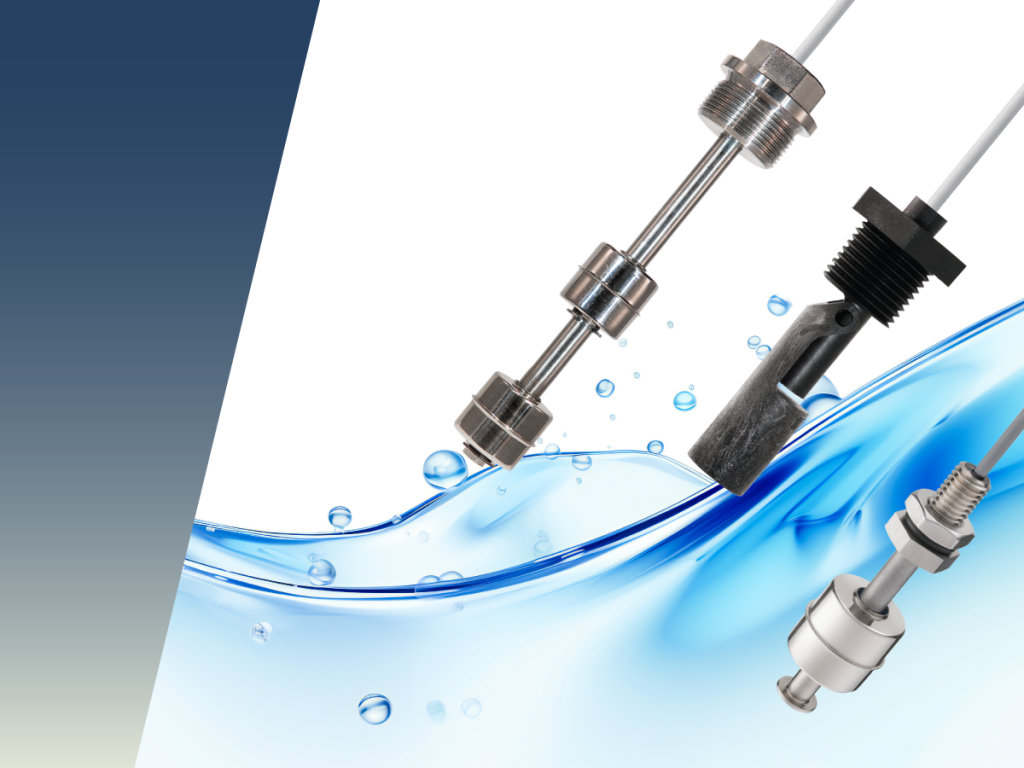
Liquid Level Sensors and Floats: An Engineering Guide to Accurate and Reliable Level Measurement
Liquid level sensors and float switches play a critical role in accurate, reliable liquid level measurement across industrial, medical, and commercial systems. This engineering guide explains how reed switch–based liquid level sensors work, compares single‑point, multi‑point, and continuous level sensing technologies, and helps engineers select the right solution for performance, compatibility, and long‑term reliability.
-

Reed Relays for High-Voltage Isolation in Electric Vehicles
Electric and hybrid vehicles operate at increasingly high voltages typically 400 to 800 VDC which raises new challenges for isolation measurement, safety, and long-term reliability. Selecting the right switching component is critical. Reed relays have emerged as a proven solution for high-voltage isolation monitoring in Battery Management Systems (BMS) and onboard chargers. This article explains…