
Industry 4.0 warehouses rely on robust sensing technologies that ensure precise, real‑time control of AGVs, AMRs, conveyors, and robotic systems. Reed switches, Hall Effect sensors, and gear tooth sensors provide reliable detection, motion feedback, and rotational data even in harsh industrial environments. Supporting components like reed relays and optocouplers maintain clean, isolated signal paths across…
If there are particular areas you need help with, feel free to skip to any of the following sections:
- Introduction
- Core Sensing Technologies for Smart Warehousing Systems
- Power and Signal Management Technologies
- How These Technologies Enable Key Industry 4.0 Capabilities
- How Hall Effect Sensors Improve AGV Navigation and Motion Control
- Reed Switch Applications in Mobile Robotics: Engineering Overview
- Best Practices for Sensor Integration
- Conclusion
Introduction
Industry 4.0 warehousing demands highly reliable, low latency sensing and switching elements that can withstand mechanical shock, EMI, thermal cycling, and continuous machine duty cycles. Engineering teams building AGVs, AMRs, smart conveyors, and robotic work cells rely heavily on noncontact magnetic sensors which utilize core technologies such as reed switches, Hall Effect sensors, gear tooth sensors, as well as isolation relays to achieve precise, predictable control and operational visibility.
This engineering-focused guide breaks down the advantages of implementing these components inside modern logistics automation systems.

Check out the full list of Standex’s testing and certifications:
- ISO 9001 Certified
- IP67 Rated
- UL Listed
- RoHS Compliant
- REACH Compliant
Core Sensing Technologies for Smart Warehousing Systems
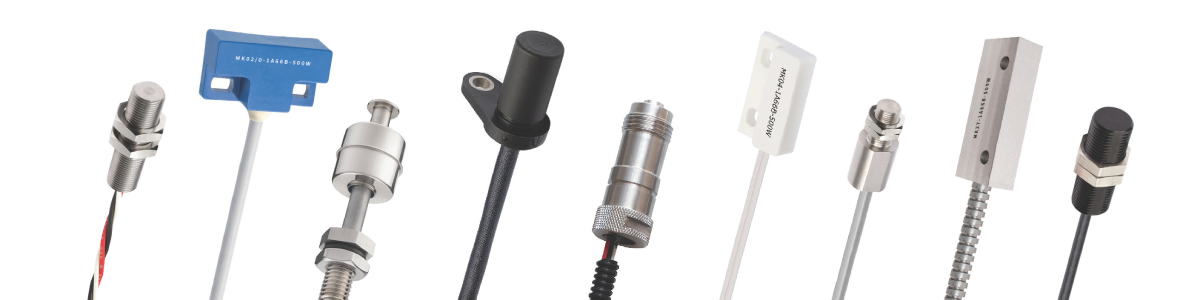
REED SWITCHES AND REED SENSORS
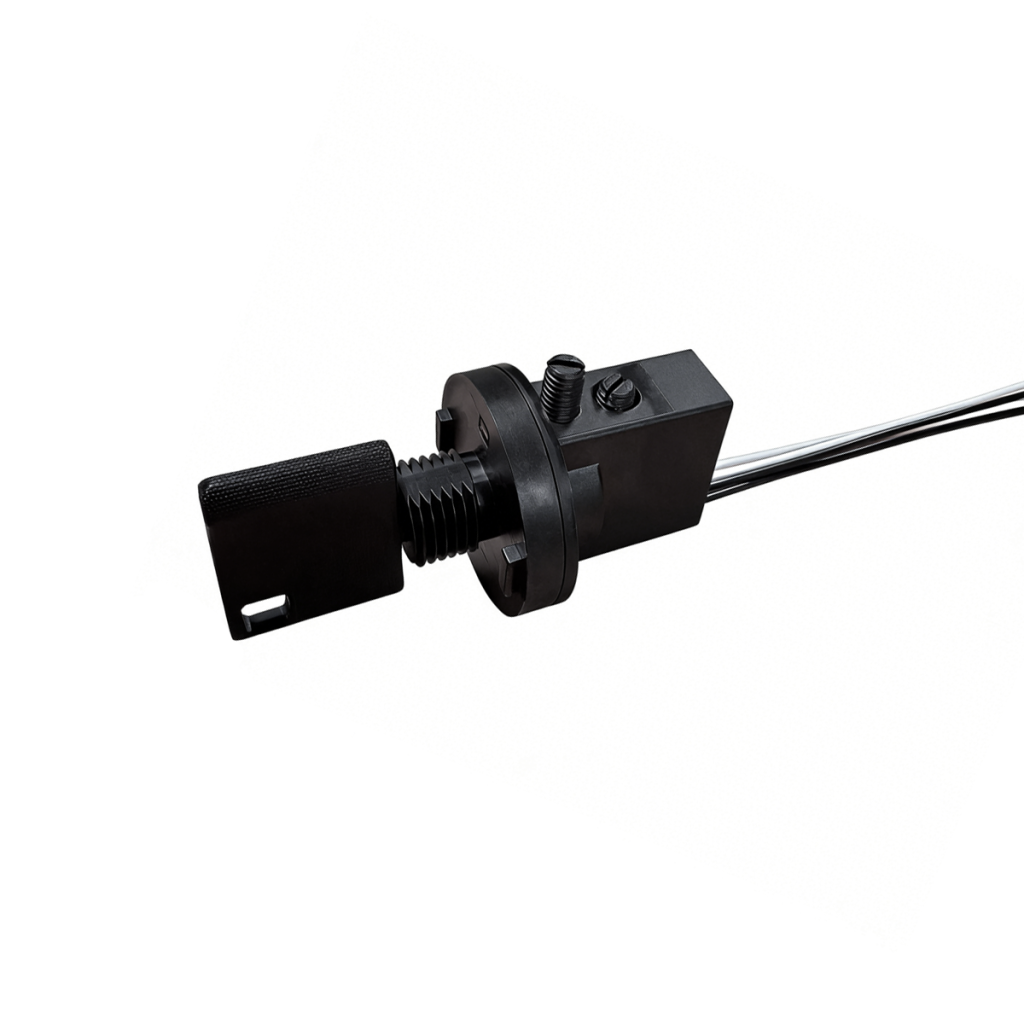
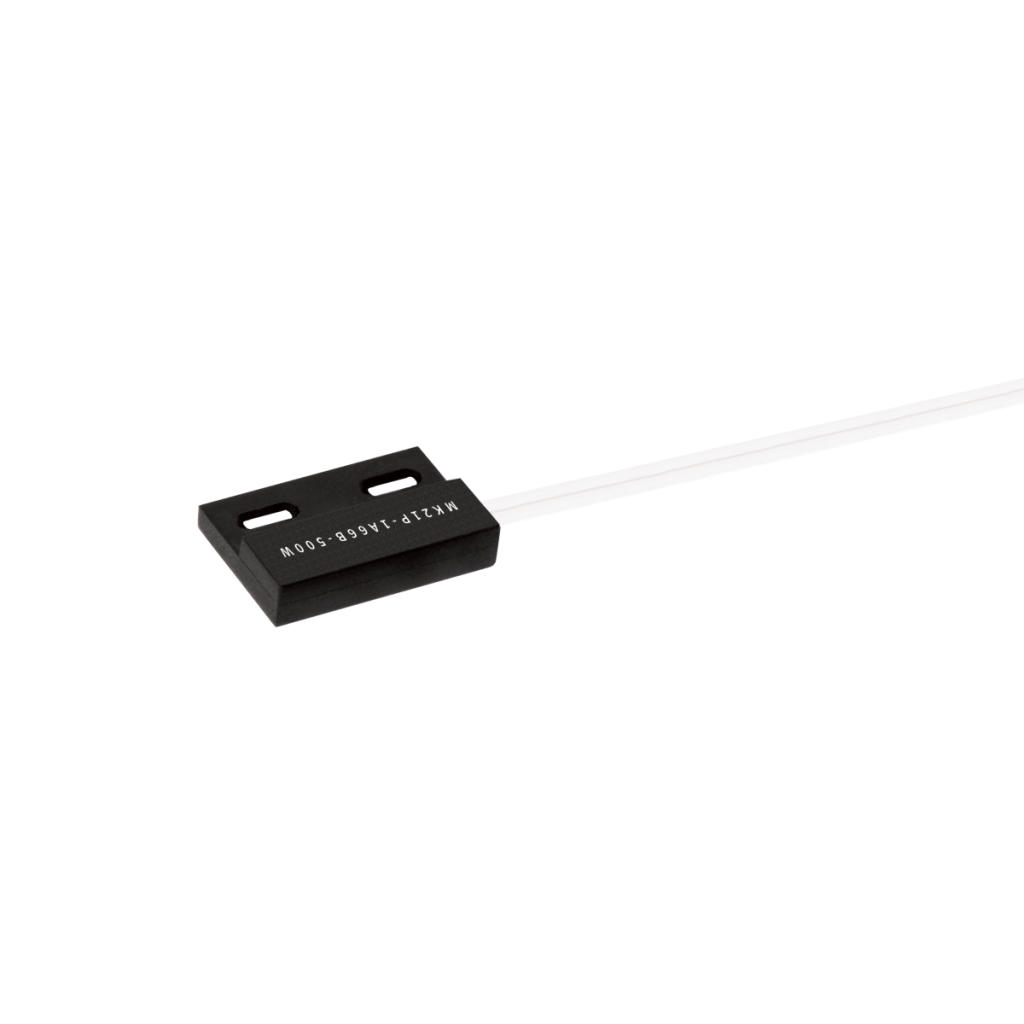
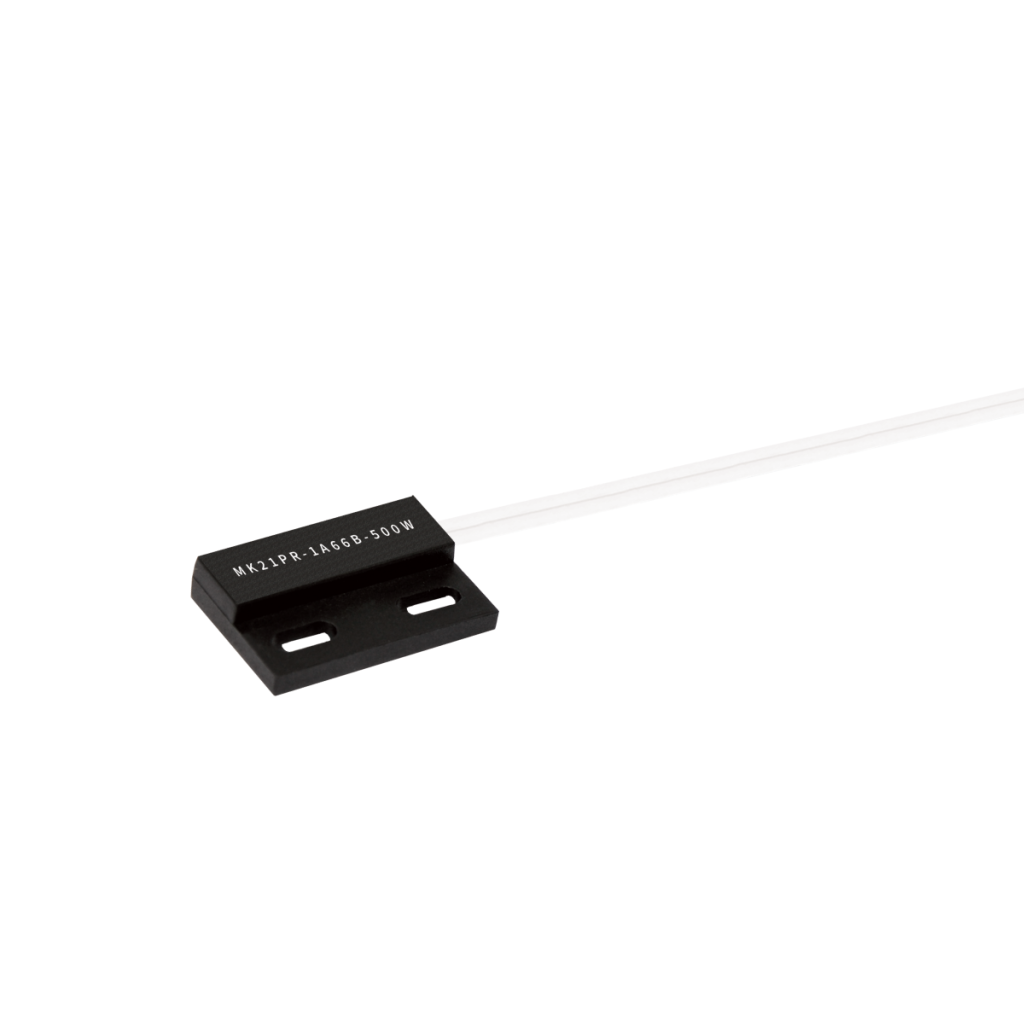
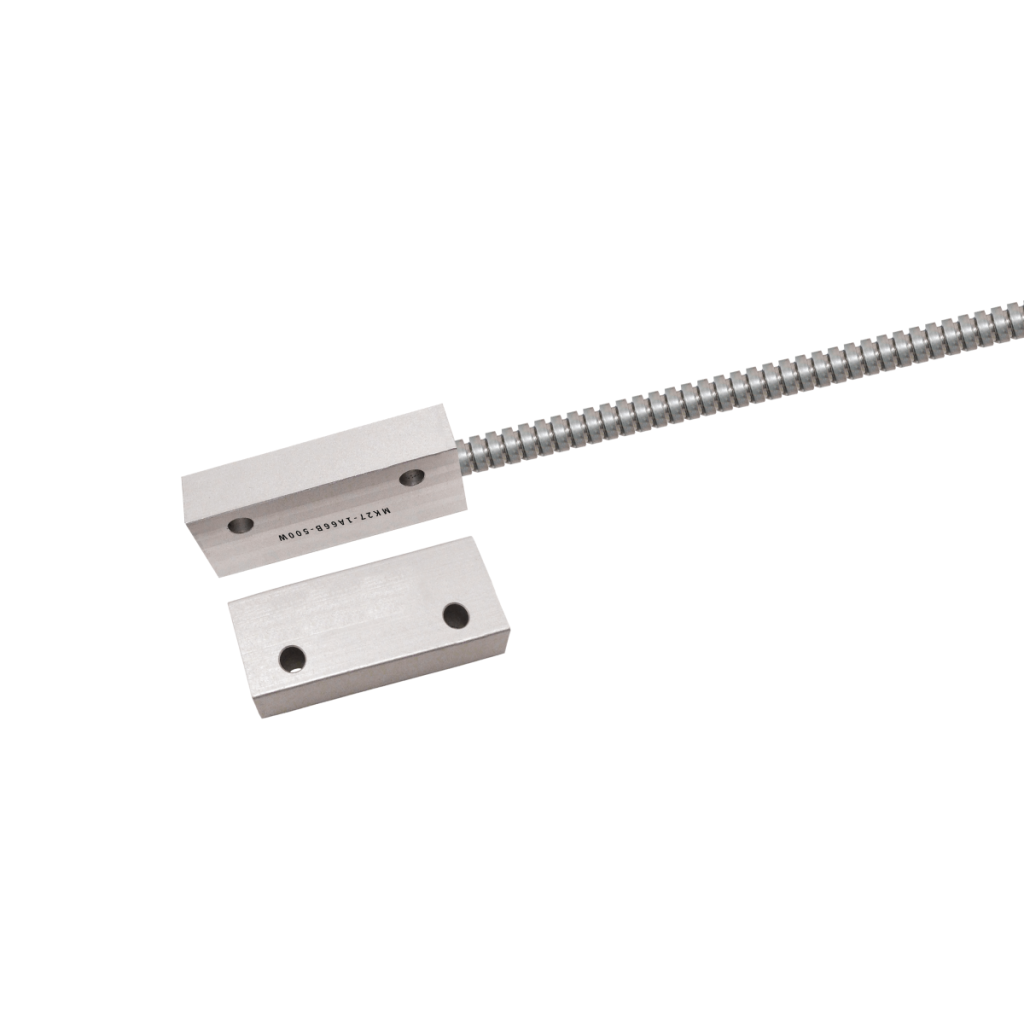
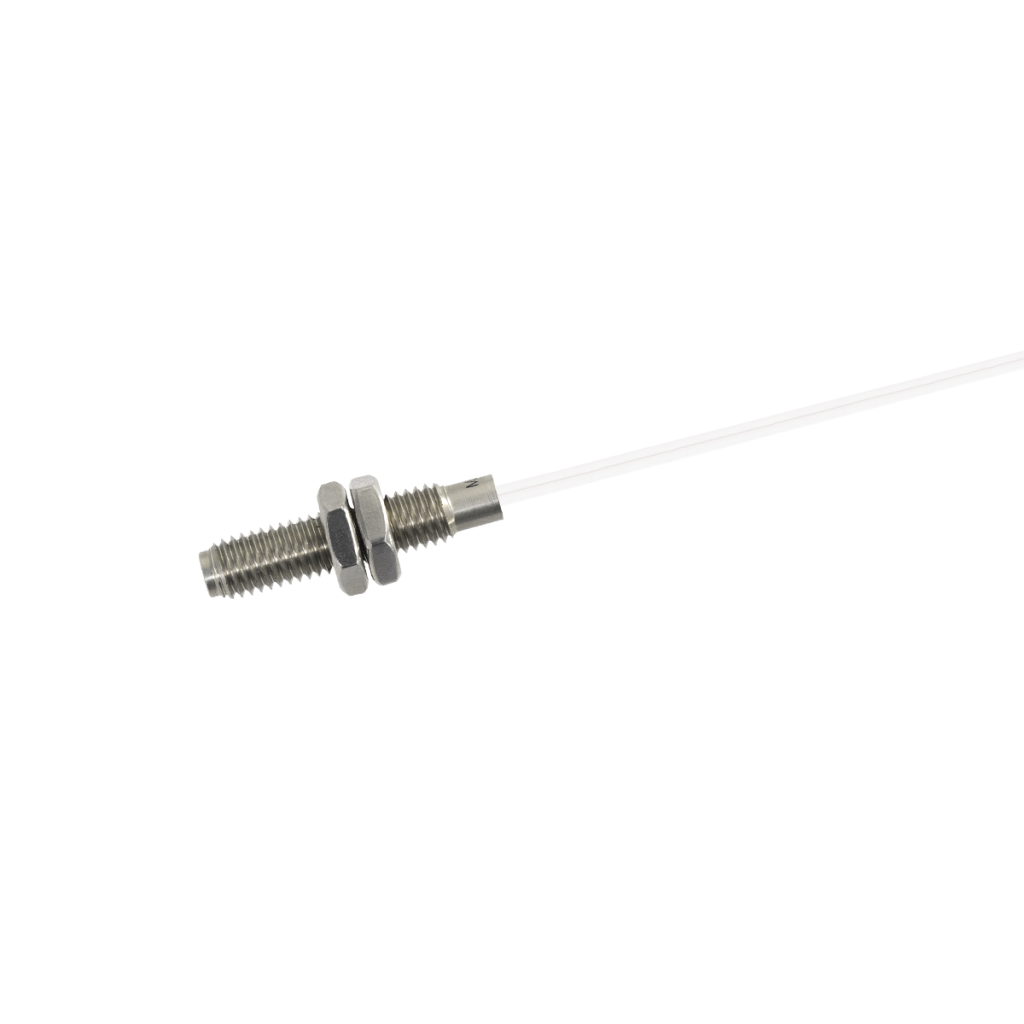
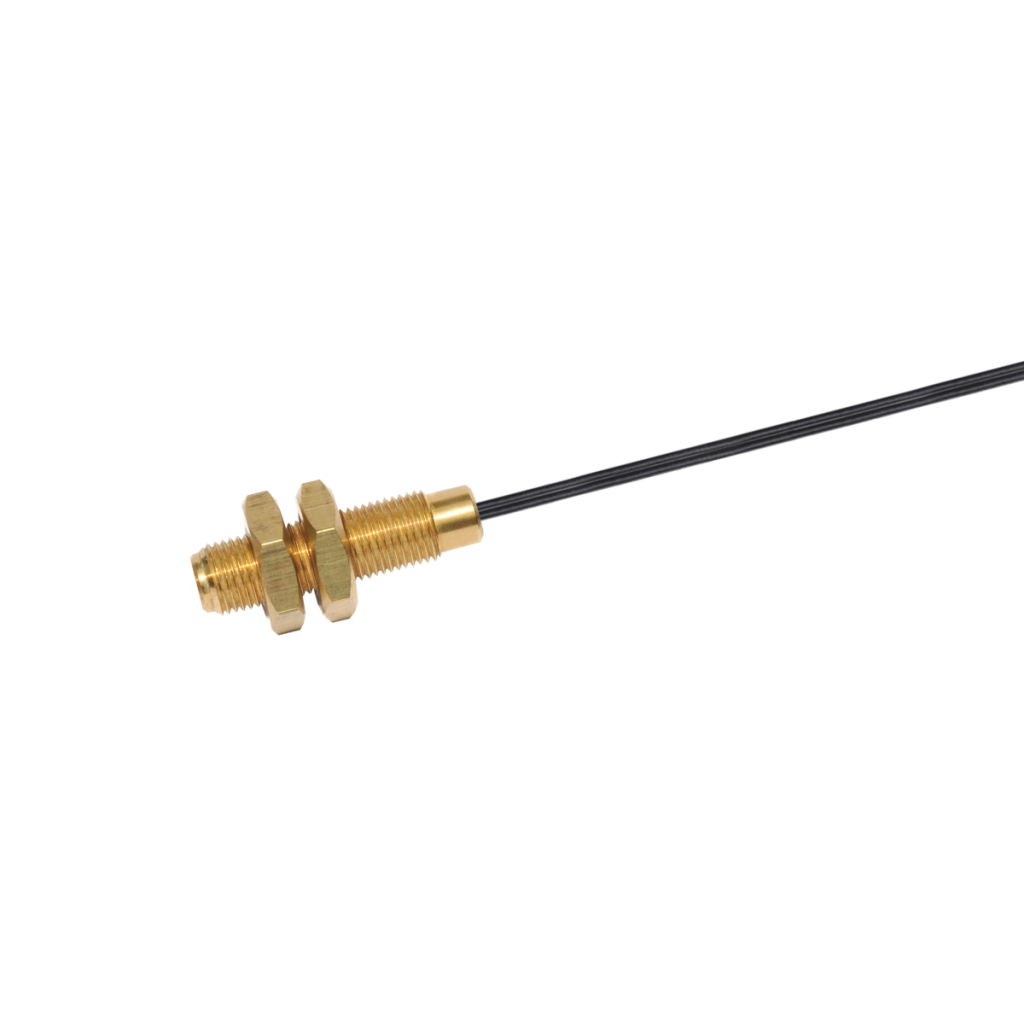
Reed switches remain a go to choice in industrial sensing due to their simplicity, isolation characteristics, and zero power operation.
Why engineers specify them
- True isolation: Hermetically sealed contacts eliminate contamination failure modes.
- Zero idle power draw: Ideal for battery-powered mobile platforms and IoT nodes.
- Noncontact Switching: No mechanical actuation or wear points.
Common engineering use cases
- Door/cover/bay confirmation
- Bin seating and presence detection
- Alignment checks in modular electromechanical assemblies
- Low power wake-up switching in mobile robotics
Reed switches are also well suited for custom assemblies where magnet positioning can be optimized for specific actuation force or travel distance.

Also check out: How precision sensing eliminates downtime
Hall Effect Sensors
Hall sensors provide solid-state, contactless feedback for speed, position, and angular measurement. Their predictable linearity and fast response time make them indispensable for motion control applications.
Why engineers specify them
- Accurate real-time feedback for closed-loop control systems
- Analog or digital output options (Switching, Latch, Ratiometric)
- High immunity to vibration and mechanical wear
- Compact package sizes suited for tight robotic and AGV designs
Typical engineering applications
- Wheel speed feedback for AGVs/AMRs
- Motor commutation feedback
- Conveyor roller position tracking
- End-of-travel sensing where repeatability is critical
Hall sensors are often used in redundant configurations in safety-rated systems due to their stable electrical performance over life.
Engineering advantages
- High-resolution speed and direction detection
- Wide air-gap tolerance
- Stable outputs despite dust, oil, and debris
Warehousing applications
- Conveyor drive gear monitoring
- Robotic joint velocity detection
- Predictive maintenance data for rotating equipment
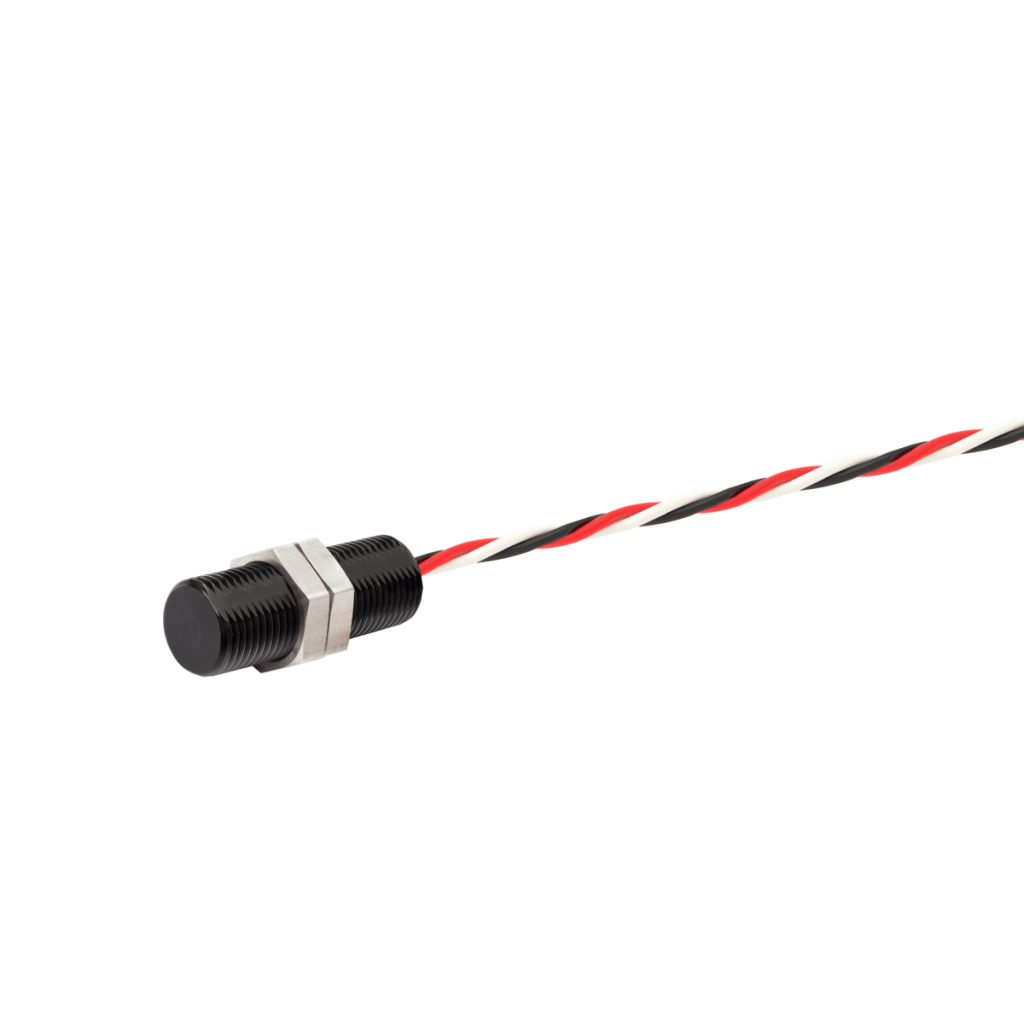
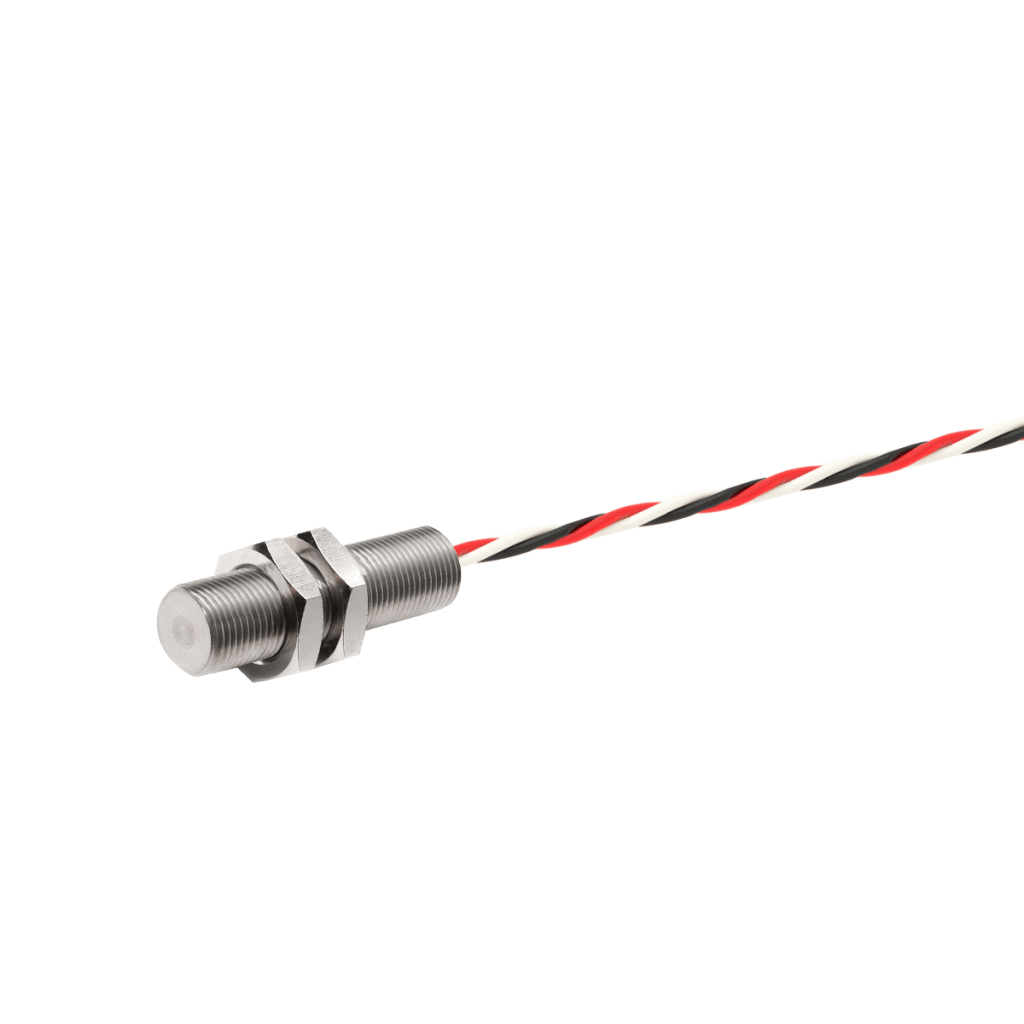
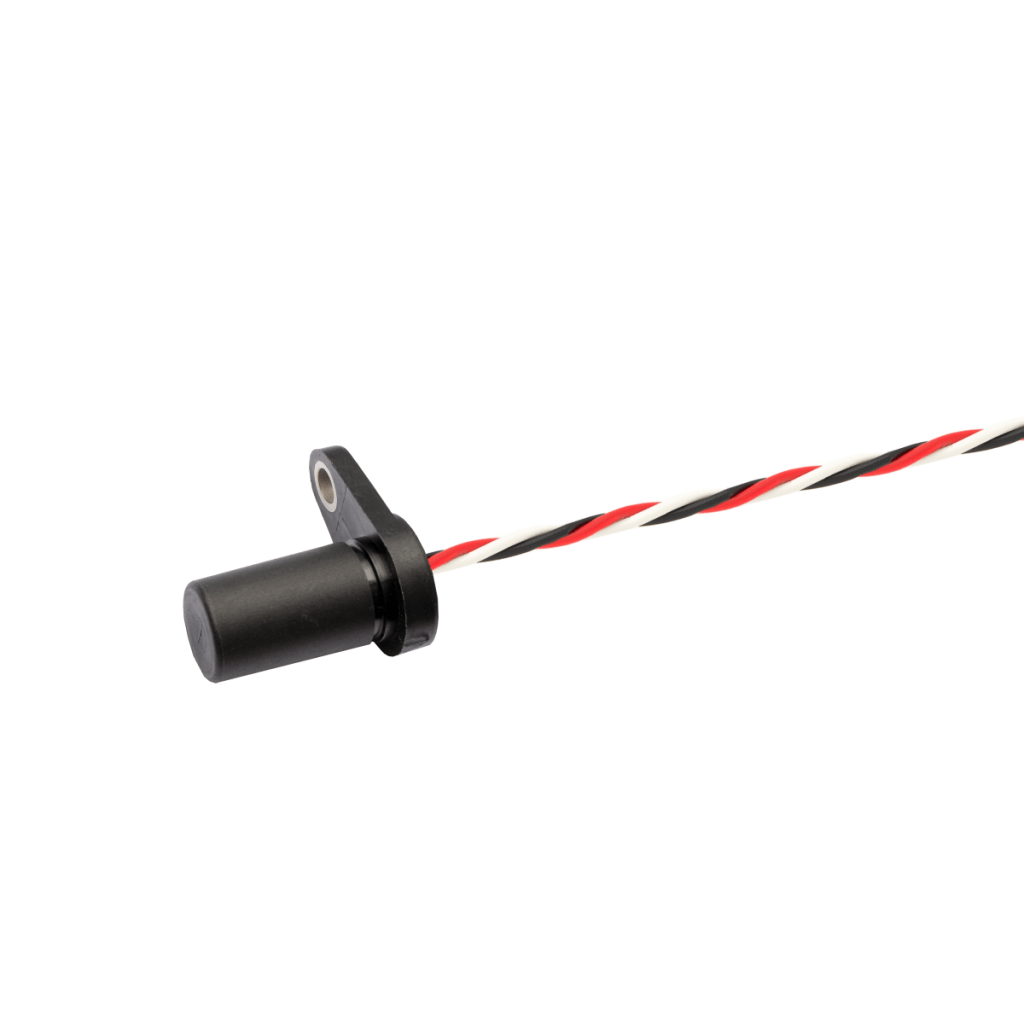
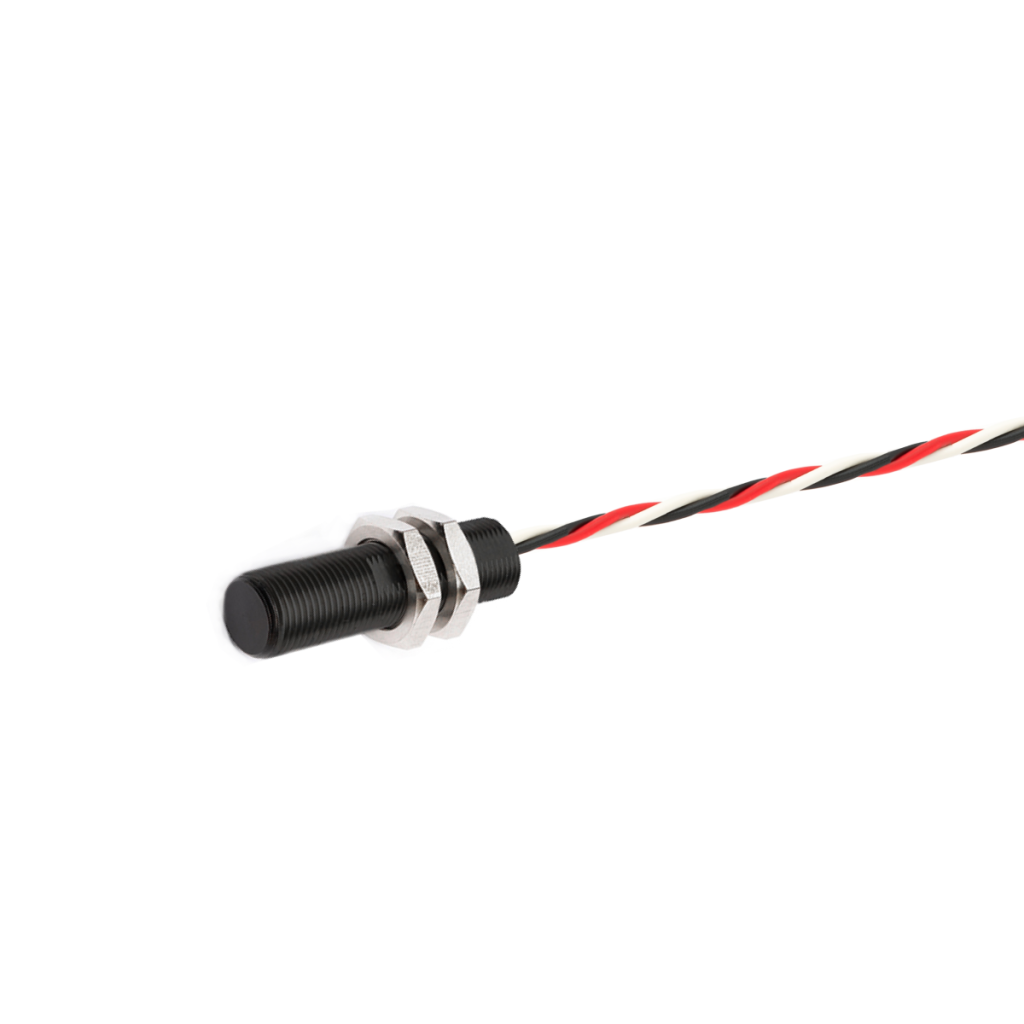
These magnetic sensors track rotational movement of ferrous gears or encoder wheels.
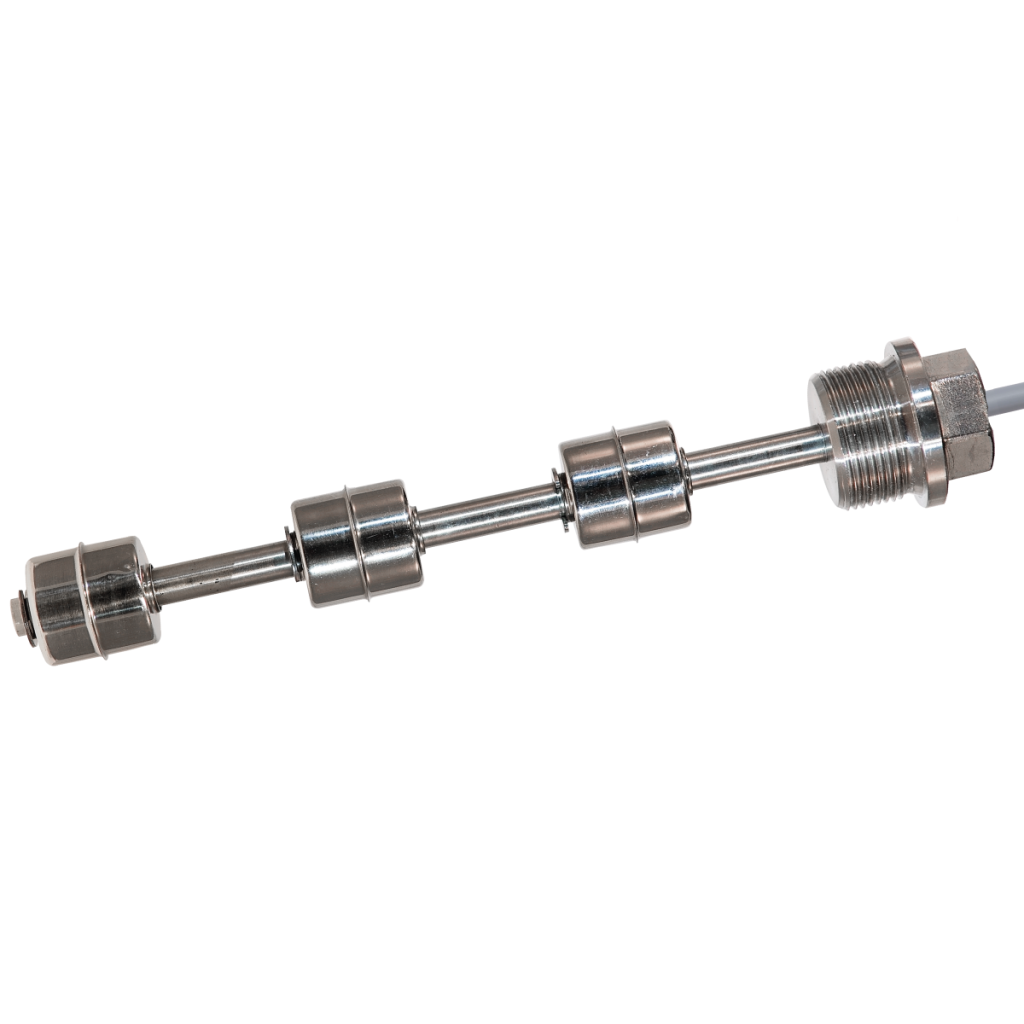
Liquid Level Sensors
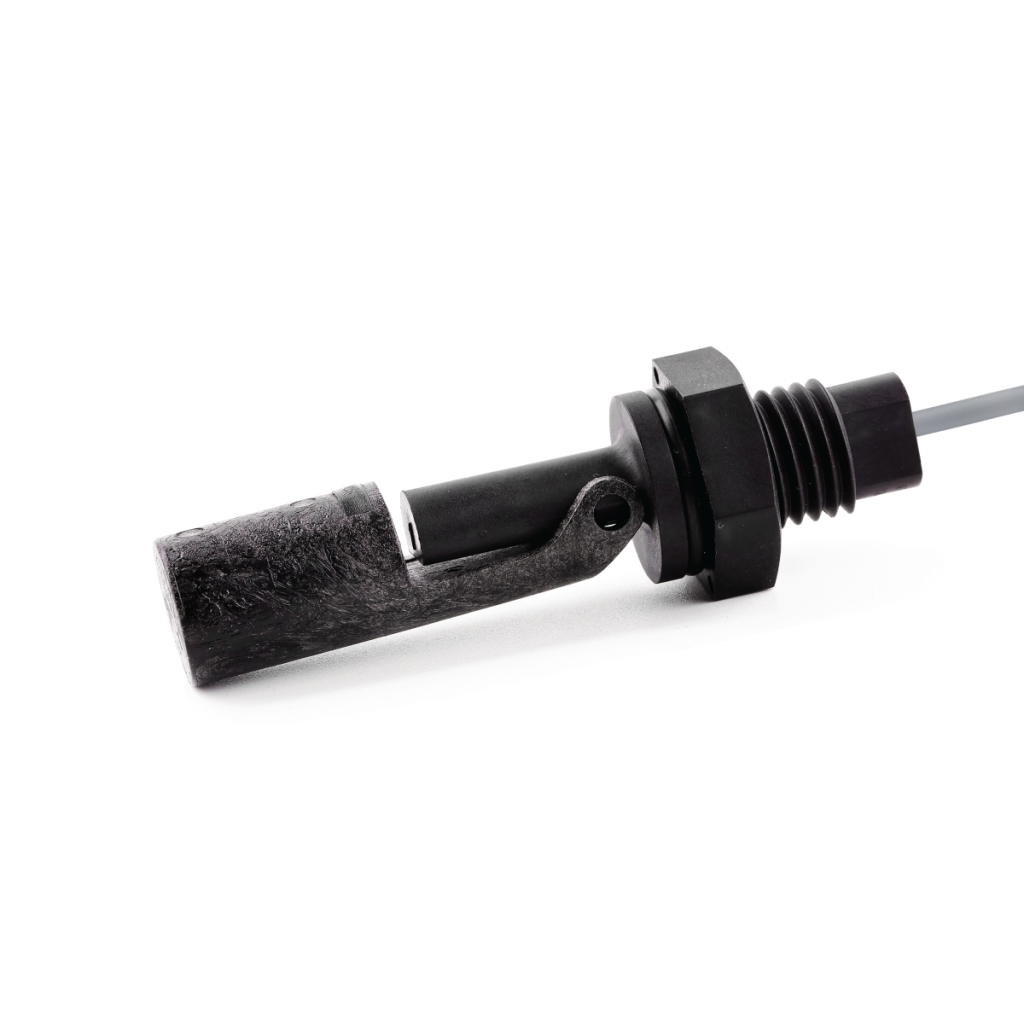
Reed-based, and Hall-based technologies are used in float-based sensors to provide level sensing in reservoirs and tanks.
Why these matter for automation engineers
Maintaining consistent lubrication/coolant levels is directly tied to uptime and equipment lifespan especially in high-duty-cycle robotics and conveyors.
Recommended Liquid Level Sensors
Power and Signal Management Technologies
Reed Relays and Photo-MOSFET Relays
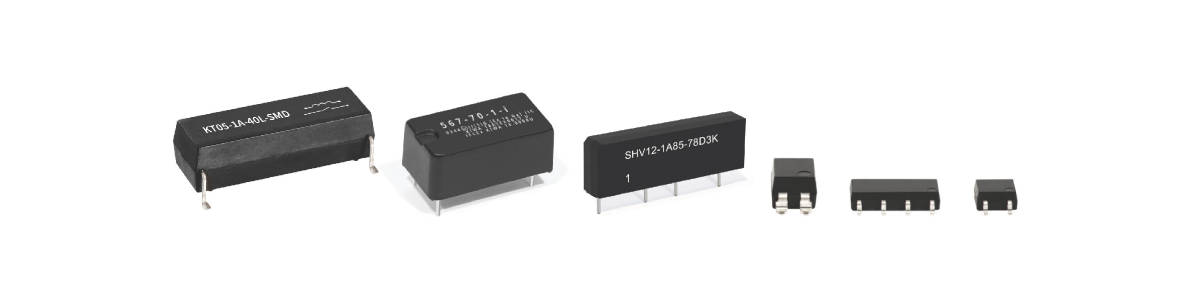
These switching components provide clean, isolated signal paths and are essential for mixed-voltage system designs.
Engineering benefits
- High-voltage isolation
- Low leakage and minimal power loss
- Long operational life
- Reliable switching of low-level sensor signals or moderate loads
Applications
- Battery management subsystems in AGVs/AMRs
- Signal routing in distributed sensor networks
- Protecting controllers from transient spikes in industrial environments
Optocouplers
Optocouplers enable safe and noise-resistant signal transfer between control domains.
Why engineers choose them
- Provide galvanic isolation in EMI dense environments
- Protect sensitive microelectronics from high-energy transients
- Support safe digital communication between PLCs, MCUs, and motor drivers
- These are staples in motor control boards, power stages, and hybrid AC/DC control interfaces.

How These Technologies Enable Key Industry 4.0 Capabilities
Real-Time Asset Tracking
Reliable switching and sensory feedback supply the data backbone for location, bin status, and equipment state monitoring.
Predictive Maintenance
Rotational and position sensing deliver vibration, speed, and load trend data used to trigger maintenance before failure.
Intelligent Automation
AGVs, collaborative robots, conveyors, and AS/RS systems depend on accurate sensor feedback for deterministic operation and safe human-machine interaction.
Also check out: Reducing downtime in automated motion systems
How Hall Effect Sensors Improve AGV Navigation and Motion Control
AGVs demand precise, low-latency feedback loops for path correction, speed control, and docking alignment. Hall sensors are key enablers.
Technical advantages for AGV designers
- Deterministic speed measurement: RPM and rotation direction via magnetic targets
- High-resolution position feedback: Enables smooth acceleration and braking curves
- Precise docking alignment: Supports repeatable charging and bin transfer
- Solid-state durability: No wear mechanisms, ideal for 24/7 fleets
Their small footprint also supports distributed sensing across wheel hubs, drive motors, and steering mechanisms.
Reed Switch Applications in Mobile Robotics: Engineering Overview
Reed switches continue to play an important role in mobile robotics especially where simplicity, robustness, and low power draw are required.
Key engineering design-in use cases
- End-effector/tooling confirmation
- Door and bin interlocks on AGVs
- Safety panel verification
- Low-power fluid level sensing
- Wake-up or mode-switch triggers
Technical Benefits
| Property | Engineering Impact |
| Hermetically sealed | Eliminates contamination-related failures |
| No power consumption | Extends mobile robotic battery life |
| Shock/vibration resistant | Ideal for constant motion mobile platforms |
| Compact packages | Fit easily into mechanical assemblies |

Ready to Optimize Your Industrial Warehousing Systems?
Reed switches are also available in custom mechanical packages for optimized sensing geometry.
Industry 4.0 warehousing depends on durable, accurate, low-power sensors and switching elements integrated strategically into every subsystem from AGV wheel hubs to conveyor gearboxes to robotic end effectors.
Reed switches, Hall Effect sensors, gear tooth sensors, and relay technologies provide the foundational reliability and repeatability required for modern automation architectures.
Standex Detect offers a full portfolio of sensors for data centers. Contact us today to discuss your application or request a quote.
Explore Precision Sensing Resources
When precision and long-term reliability matter, the right partner makes the difference.
Related Articles
-
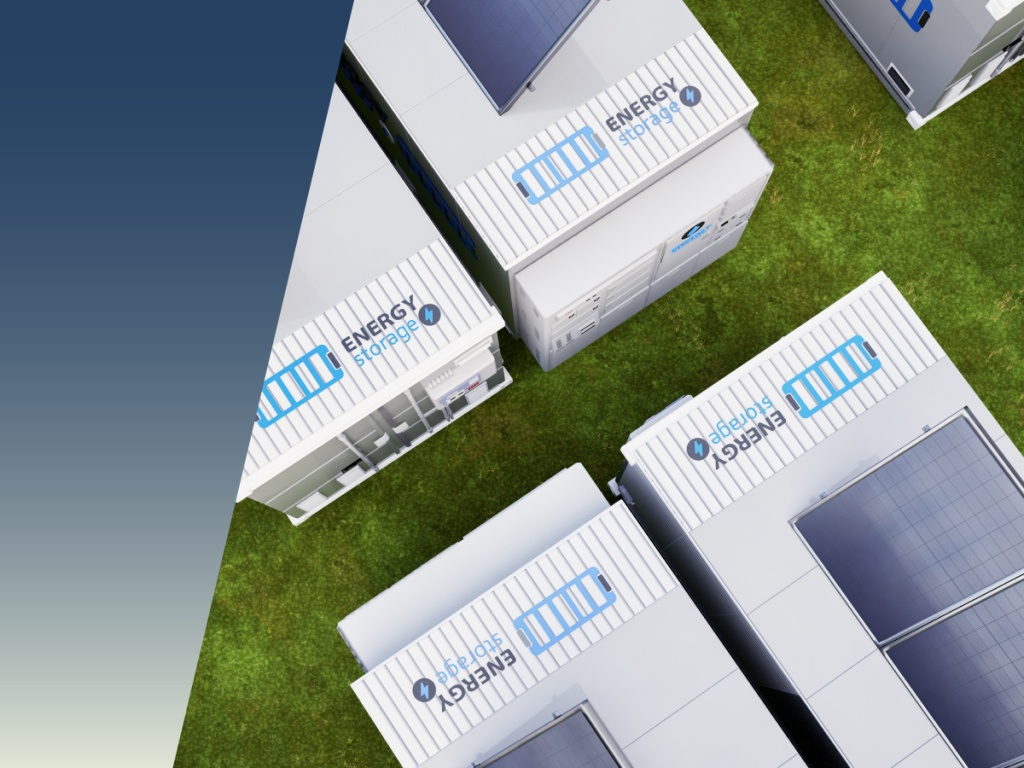
High-Voltage Insulation Monitoring for Next-Generation BESS
Learn how insulation monitoring helps improve safety, reliability, uptime, and asset protection in Battery Energy Storage Systems (BESS). Explore high-voltage monitoring solutions for 1,000–1,500 VDC energy storage applications.
-
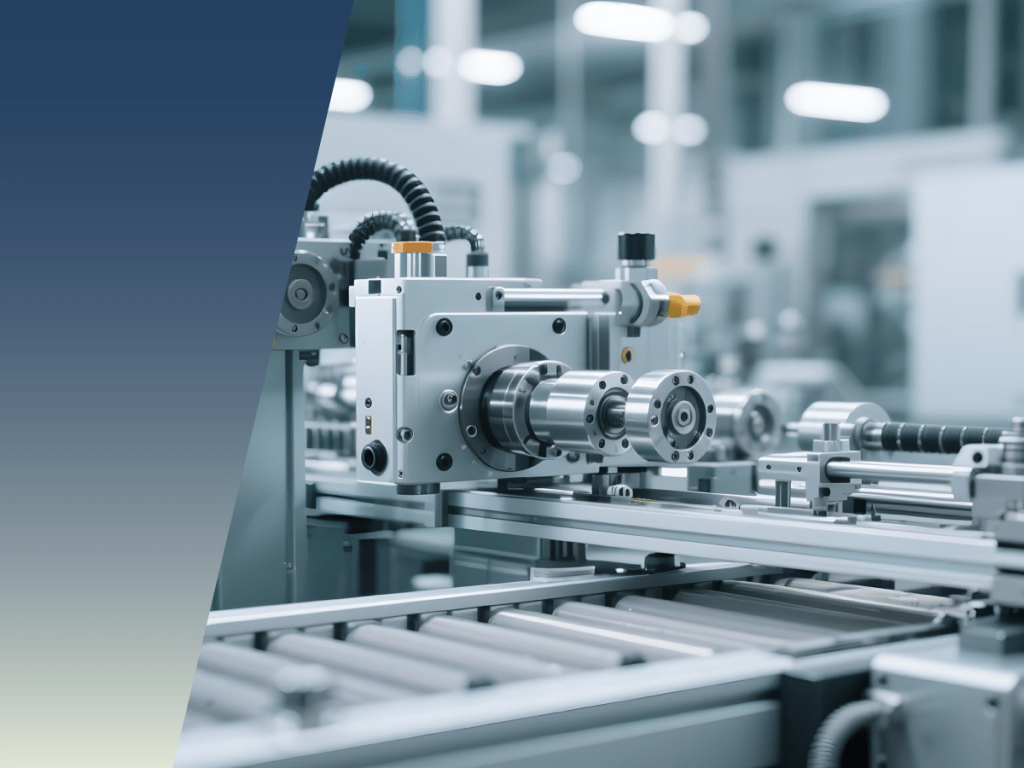
When Standard Sensors Aren’t Enough
Real-world applications rarely operate under ideal conditions. Temperature extremes, fluid exposure, vibration, contamination, and limited installation space can all impact sensing performance and long-term reliability. Learn how custom sensor solutions help overcome these challenges and deliver reliable operation in demanding industrial, transportation, EV, agricultural, and energy applications.
-
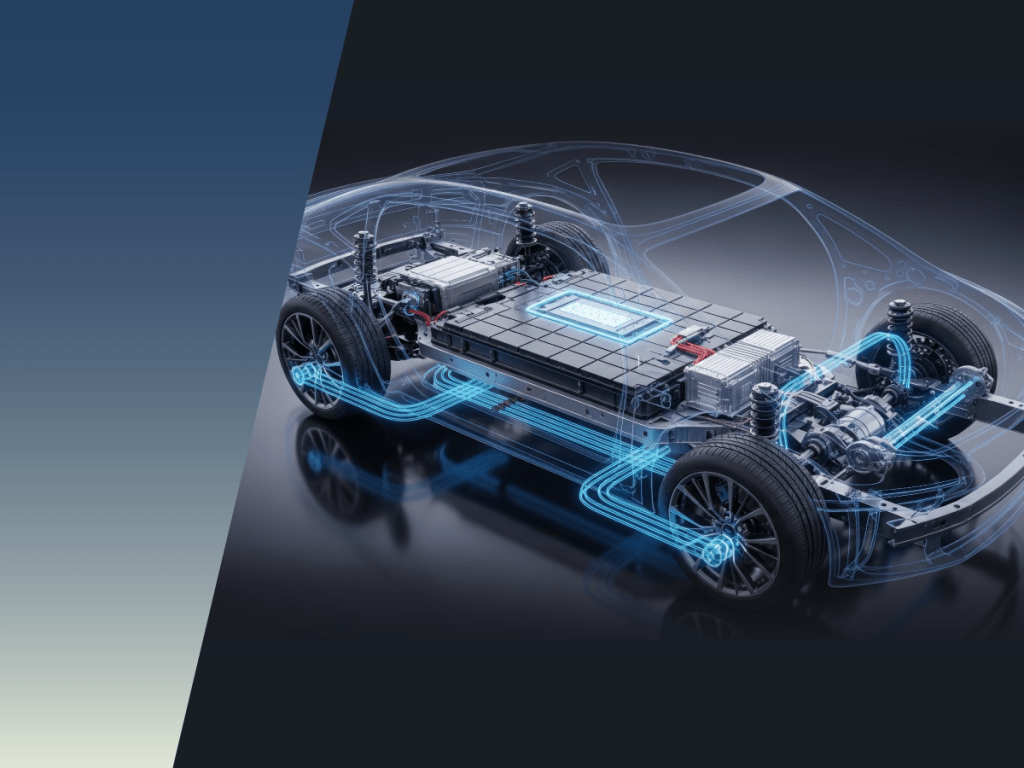
Reliable Sensing for Safer, More Efficient EV Systems
Learn how reliable sensing supports safer, more efficient EV systems. Explore applications in battery management, charging systems, fluid monitoring, and safety detection and discover how advanced sensing technologies help improve performance, reliability, and operational safety.
-

Designing High-Density Switching Architectures Without Sacrificing Precision
Learn how engineers can increase channel density while managing capacitance, crosstalk, and PCB design constraints in modern semiconductor test systems.
-
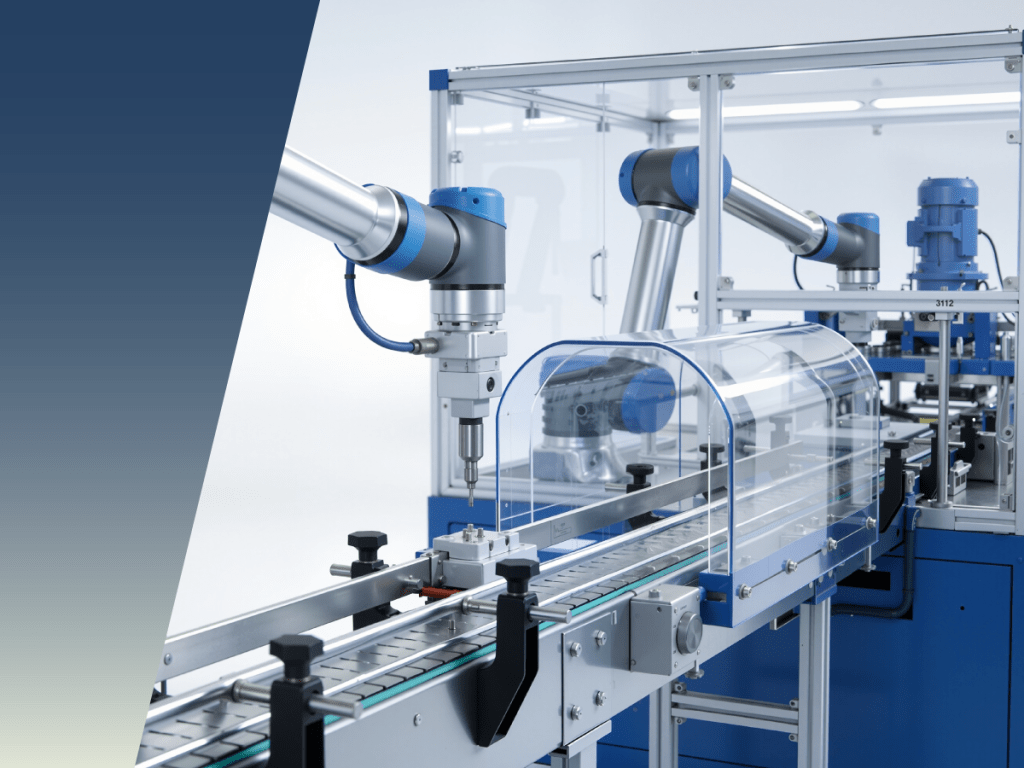
Eliminating Downtime in Motion Systems with Precision Sensing
Learn how precision sensing helps eliminate downtime in industrial motion systems. Explore real‑world applications in automation, high‑power loads, and fluid‑dependent systems and see how reliable sensing improves uptime and system performance.