
Learn how precision sensing helps eliminate downtime in industrial motion systems. Explore real‑world applications in automation, high‑power loads, and fluid‑dependent systems and see how reliable sensing improves uptime and system performance.
If there are particular areas you need help with, feel free to skip to any of the following sections:
- The Challenge: Downtime Starts with Inconsistent Detection
- Why Precision Sensing Matters in Motion Systems
- Applications: Where Precision Sensing Eliminates Downtime
- Sensors for Modern Motion Systems
- Partnering for Precision
The Challenge: Downtime Starts with Inconsistent Detection
In modern motion systems, downtime rarely begins with a mechanical failure. More often, it starts with missed signals, false triggers, or inconsistent feedback that disrupt system performance over time.
In high‑cycle industrial environments; robotics, conveyors, actuators, and automated assembly, even small sensing inconsistencies can lead to:
- Unexpected line stops
- Reduced throughput
- Increased maintenance interventions
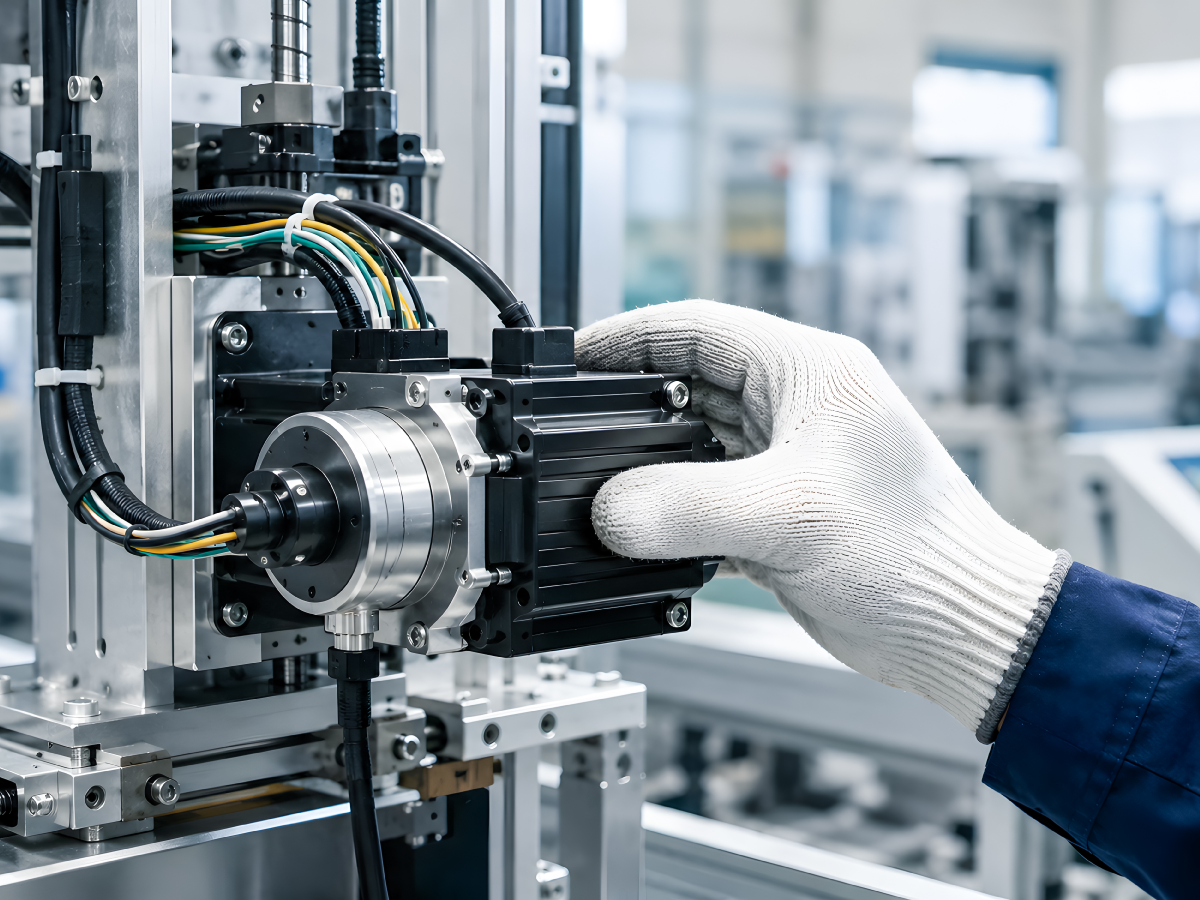
Precision sensing is foundational to reliable motion and system uptime.
Why Precision Sensing Matters in Motion Systems
Motion systems depend on accurate, repeatable detection to function as designed. When sensors are exposed to vibration, electrical stress, or environmental variation, performance can degrade, impacting the entire system.
Precision sensing technologies help motion systems:
- Maintain accurate position and proximity detection
- Reduce false positives and missed events
- Deliver consistent performance over millions of cycles
The result is higher uptime, smoother operation, and predictable system behavior.
Applications: Where Precision Sensing Eliminates Downtime
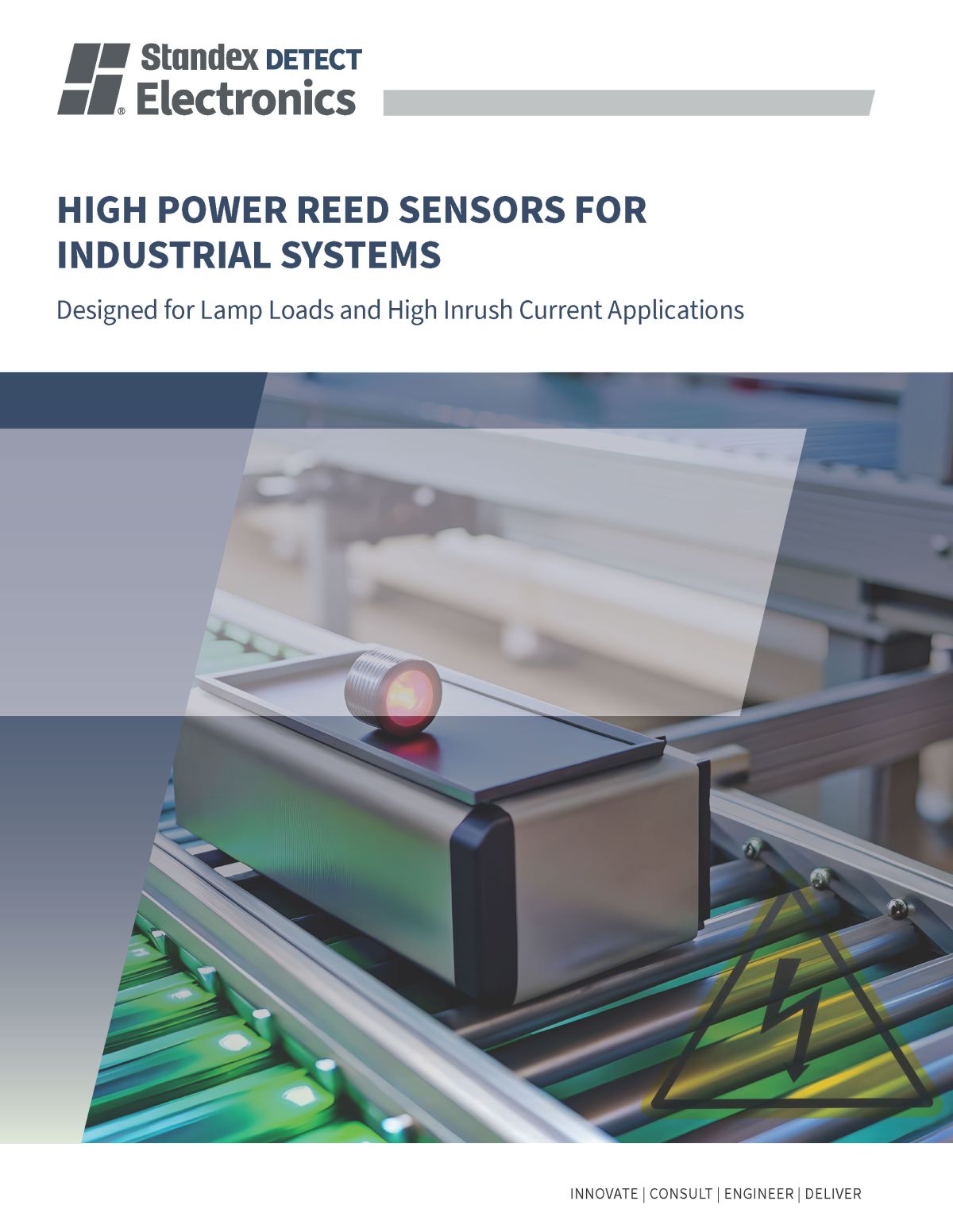
High‑Power & High‑Inrush Industrial Loads
Motion systems controlling lamp loads, motors, and inductive devices experience repeated inrush events that can stress sensing components. Precision sensing designed for these conditions helps maintain stable detection and reduces failures that lead to unplanned downtime.
Read the Blog: High-Power Reed Sensing for Industrial Applications

Automation & Industry 4.0 Motion Systems
Robotics, conveyors, and automated assembly systems rely on accurate, repeatable feedback to maintain closed‑loop control. In high‑cycle, vibration‑prone environments, precision sensing helps minimize false triggers and missed detections, supporting consistent throughput and higher OEE.
Read the Blog: Core Sensing Technologies Enabling Industry 4.0
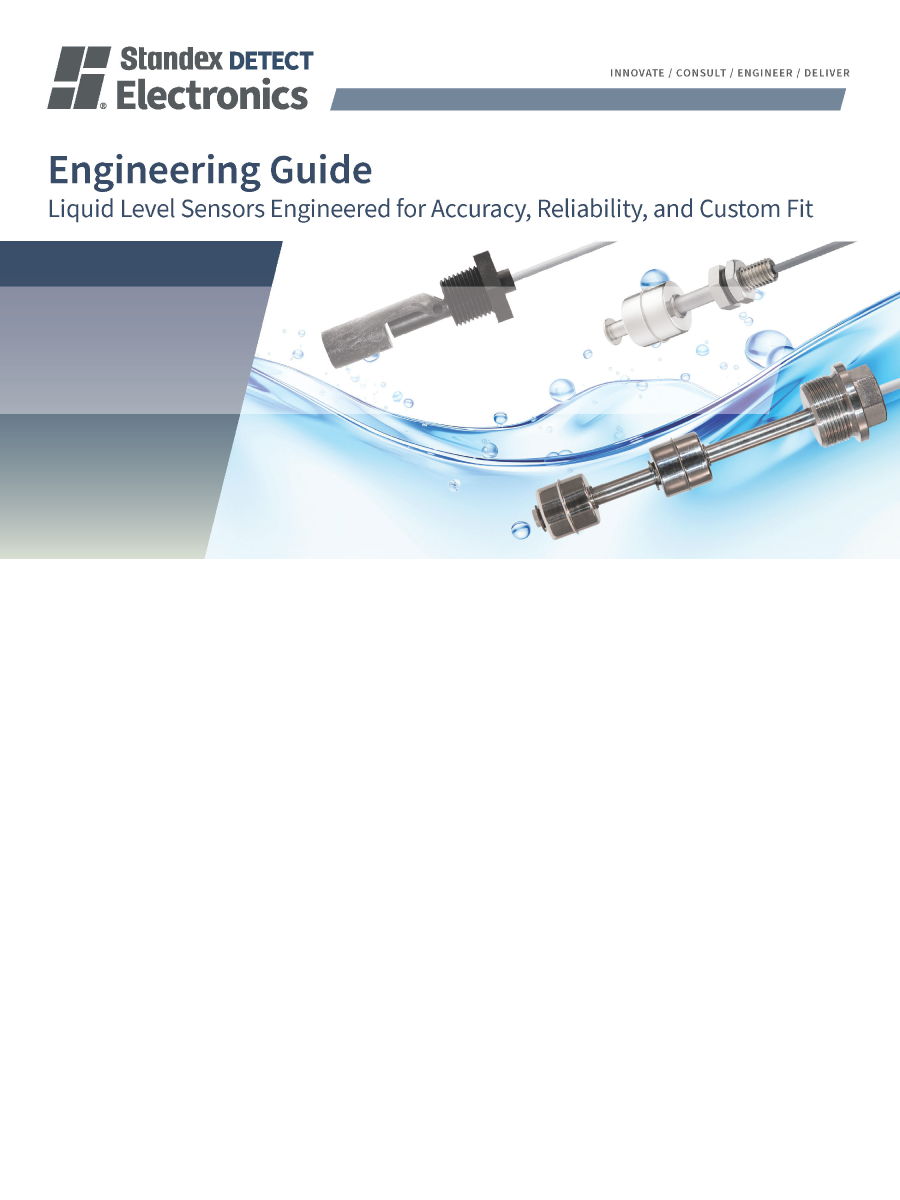
Fluid‑Dependent Motion Systems
Cooling, lubrication, and process fluids are critical to motion system reliability. Accurate liquid level detection helps prevent overheating, mechanical wear, and emergency shutdowns, reducing downtime caused by fluid‑related failures.
Read the Blog: Engineering Guide to Accurate and Reliable Level Measurement
Application takeaway
Across industrial motion systems, consistent sensing is key to maintaining uptime, protecting equipment, and ensuring predictable performance.
Sensors for Modern Motion Systems
To support today’s compact, high‑cycle motion systems, Standex Detect sensors are designed for clean integration into motion-driven industrial equipment. Explore related precision sensing solution below.
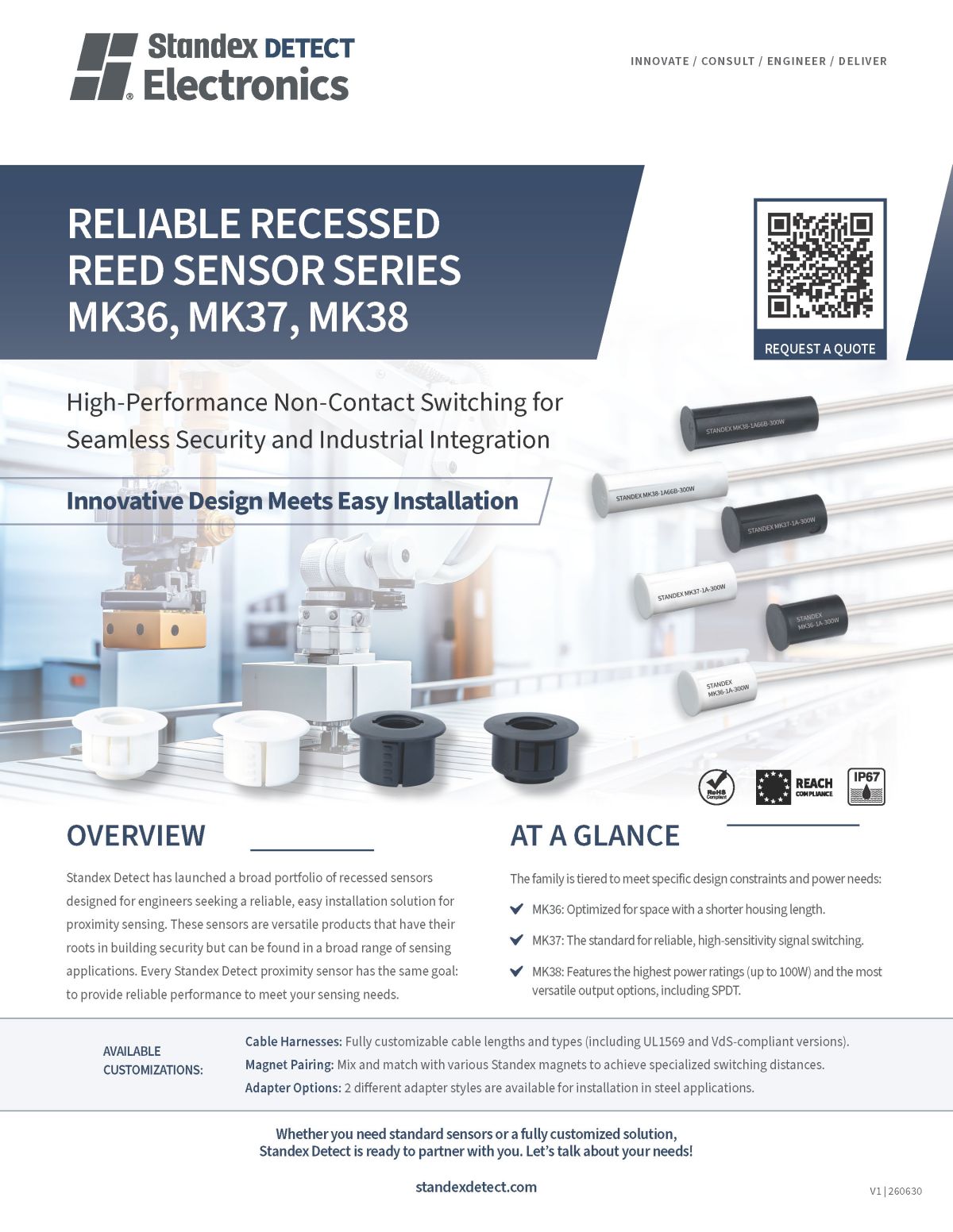
Recessed Reed Sensors MK36/MK37/MK38
Designed for modern industrial motion systems, the MK36, MK37, and MK38 recessed reed sensors offer:
- Compact, installation‑friendly designs
- Long life in high‑cycle applications
- Consistent switching behavior over time
Paired with M36, M37, and M38 mating magnets, they provide a matched sensing solution that helps engineers design for uptime from the start.
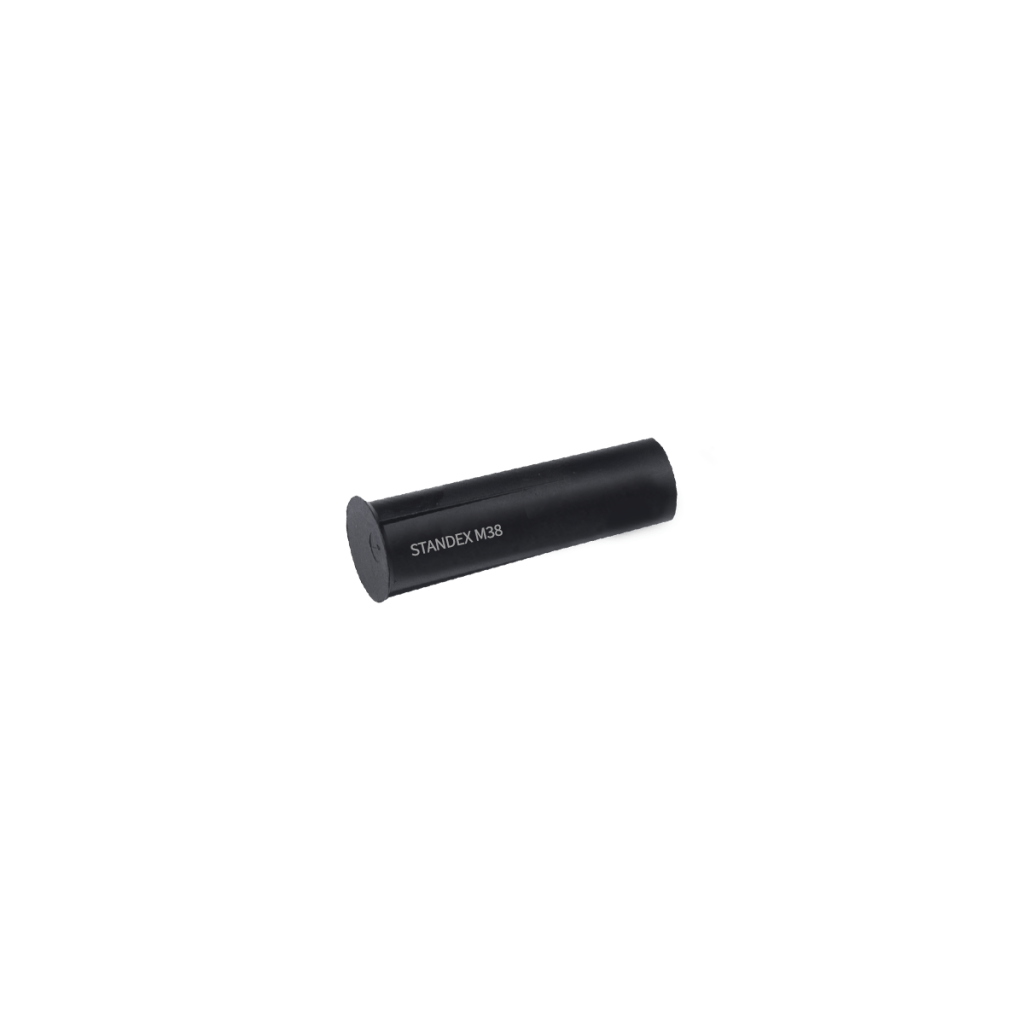
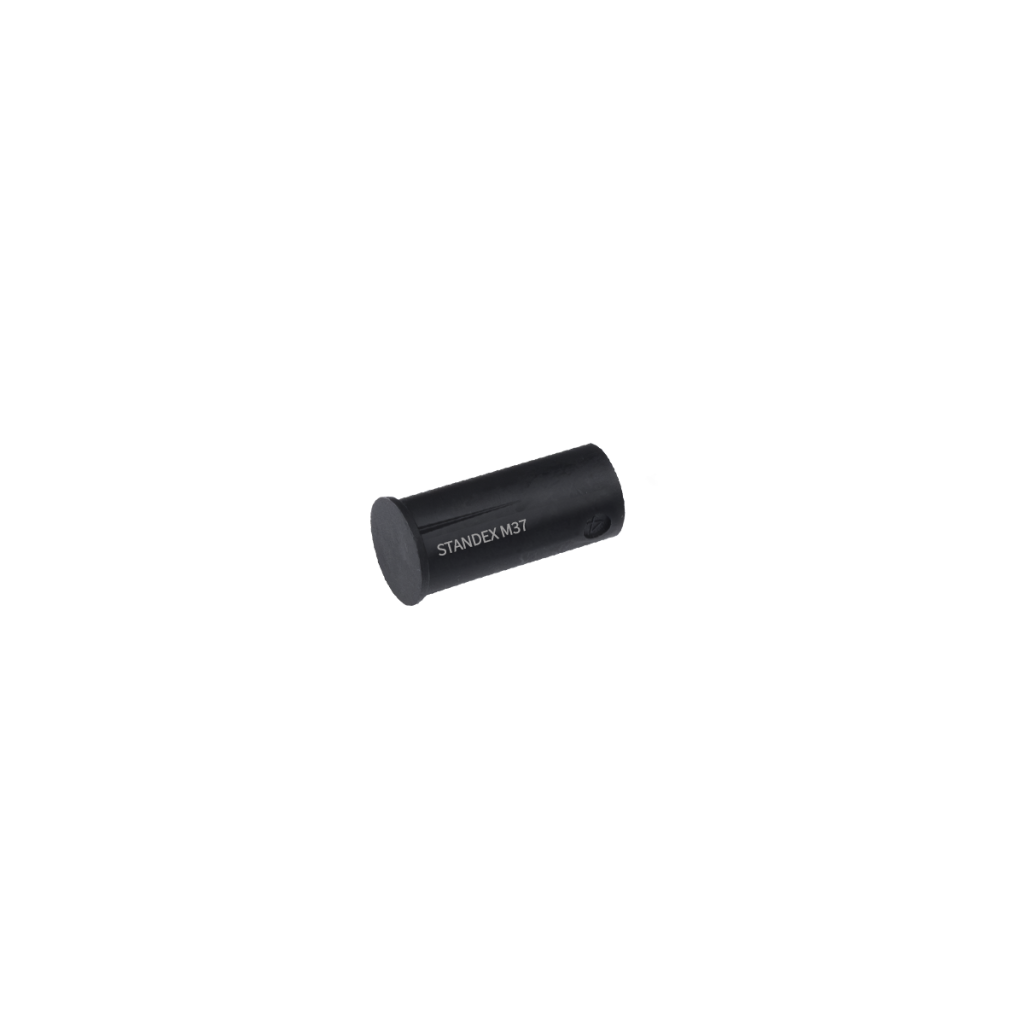
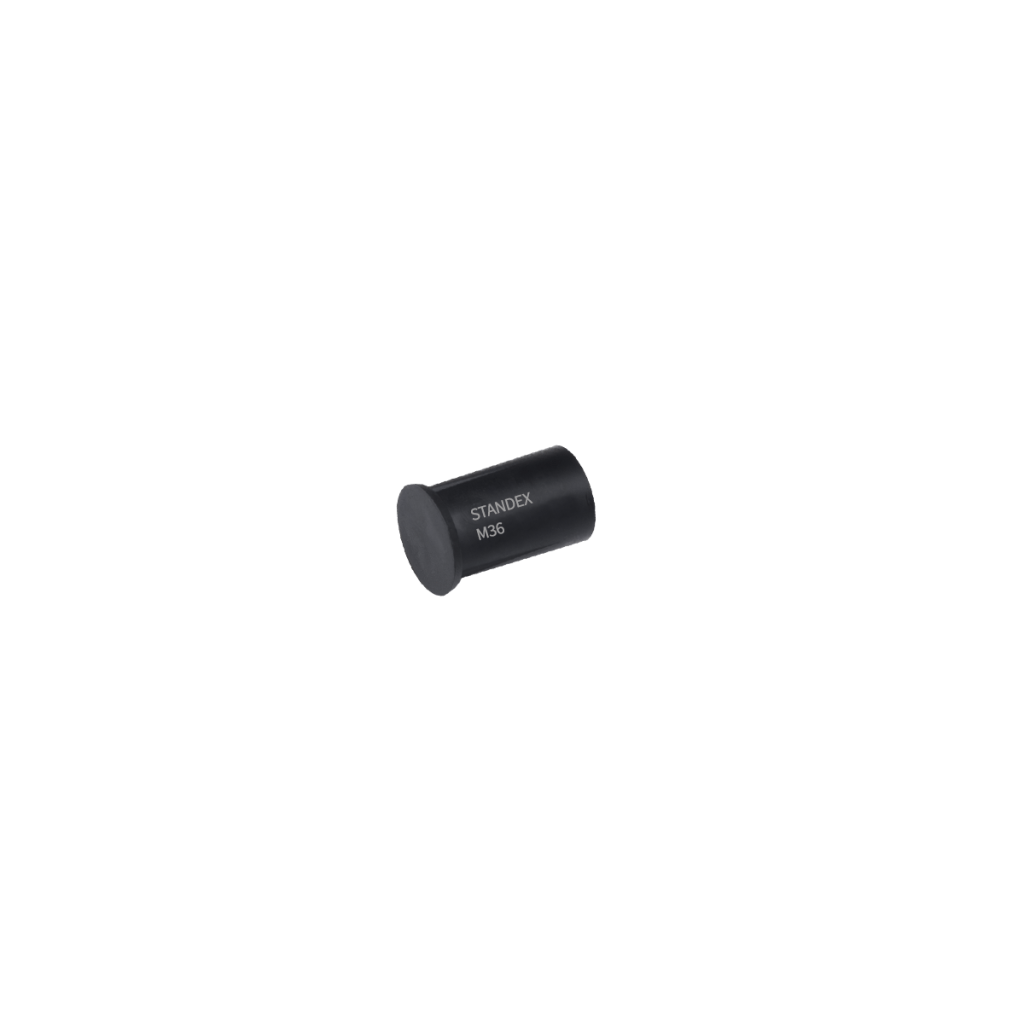
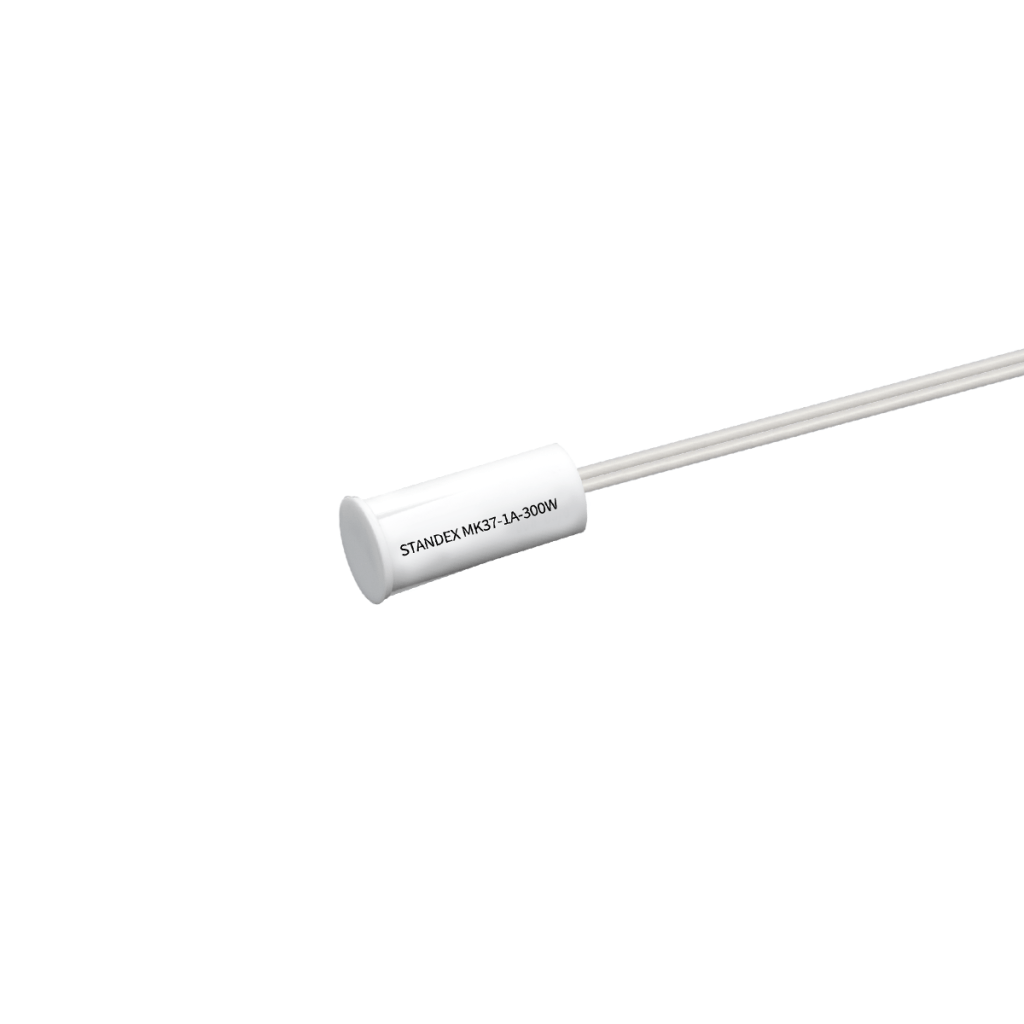
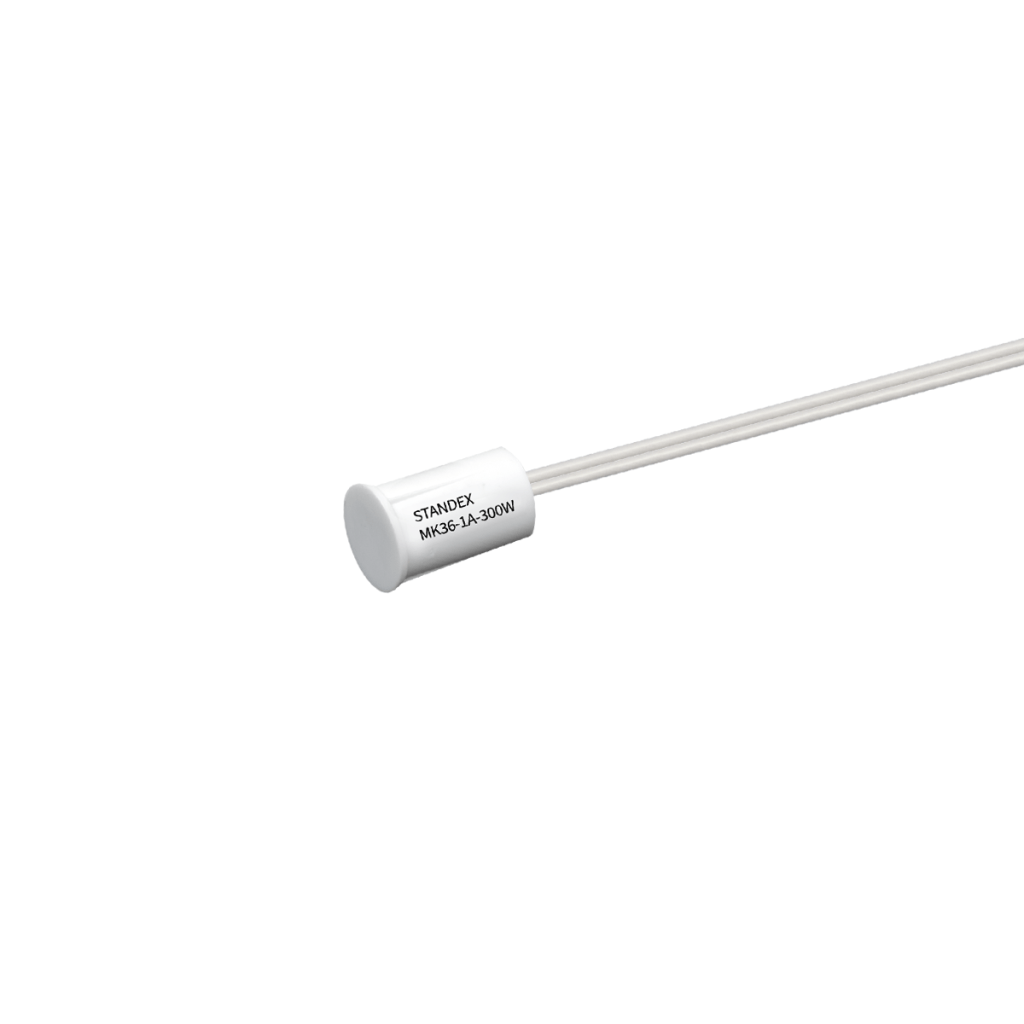
Reed sensors are also well suited for custom assemblies where magnet positioning can be optimized for specific actuation force or travel distance. Reed sensors are also well suited for custom assemblies where magnet positioning can be optimized for specific actuation force or travel distance.
Why engineers specify them
- True isolation: Hermetically sealed contacts eliminate contamination failure modes.
- Zero idle power draw: Ideal for battery-powered mobile platforms and IoT nodes.
- Noncontact Switching: No mechanical actuation or wear points.
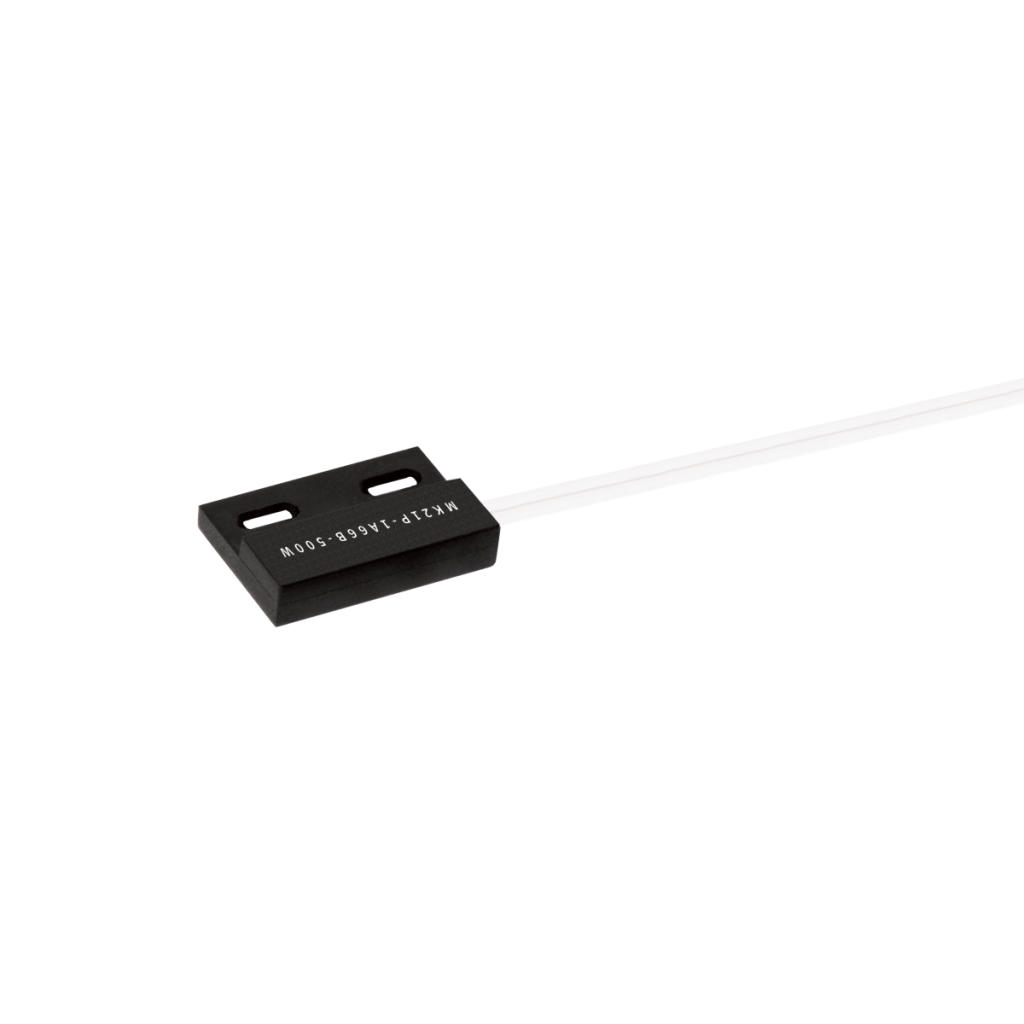
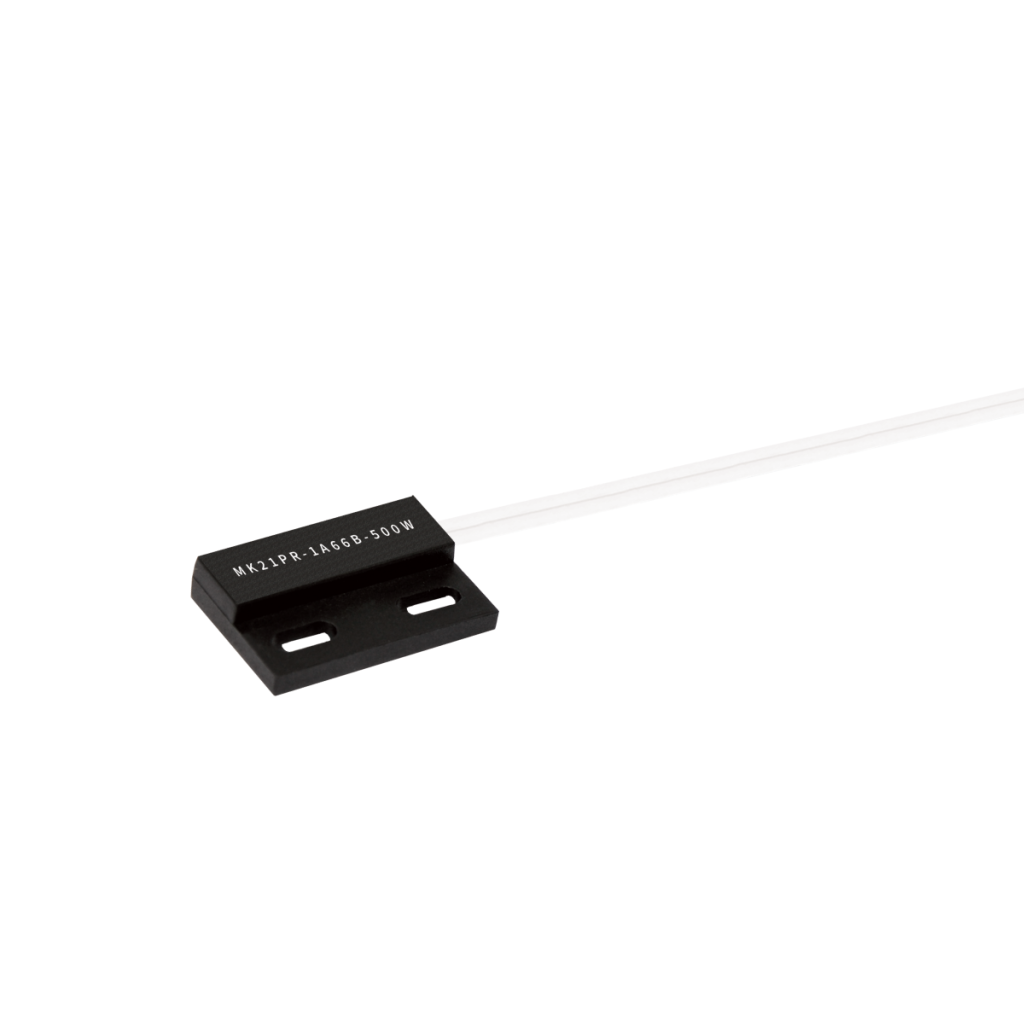
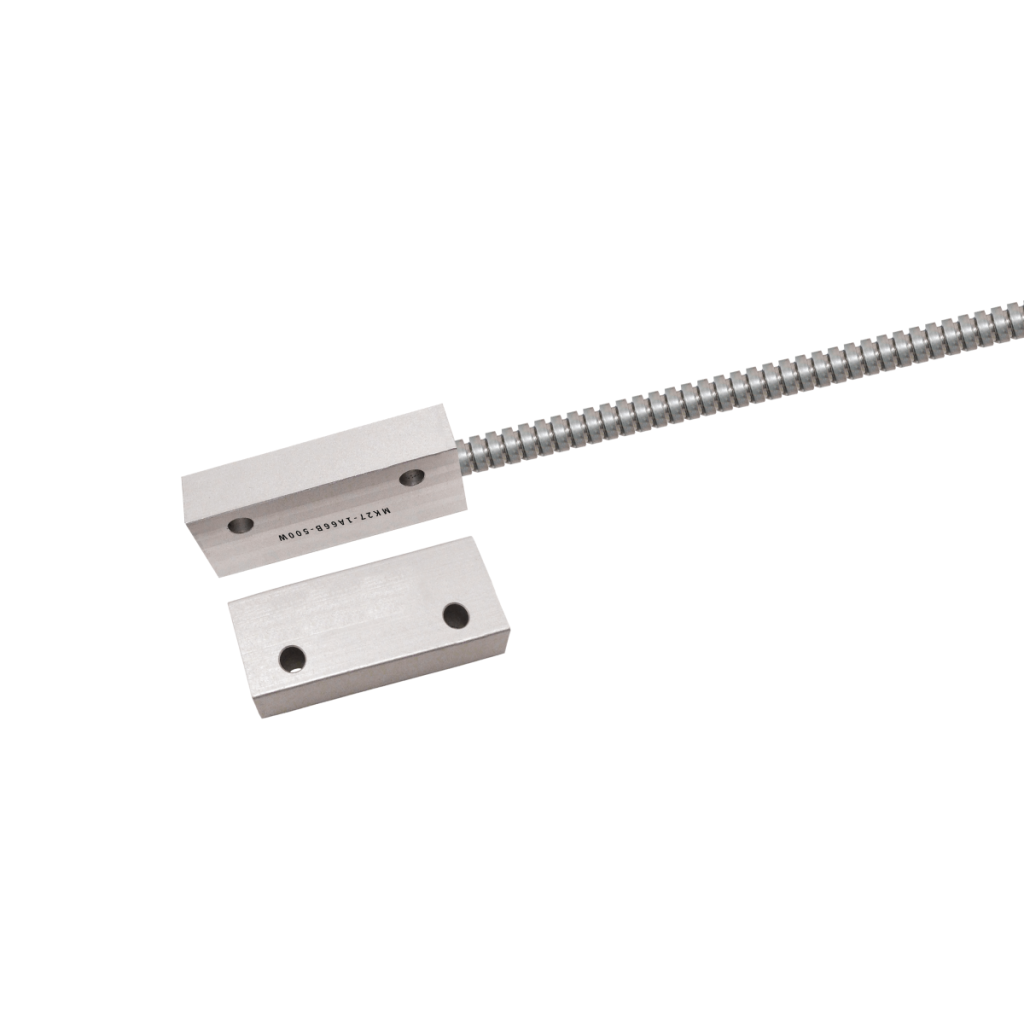
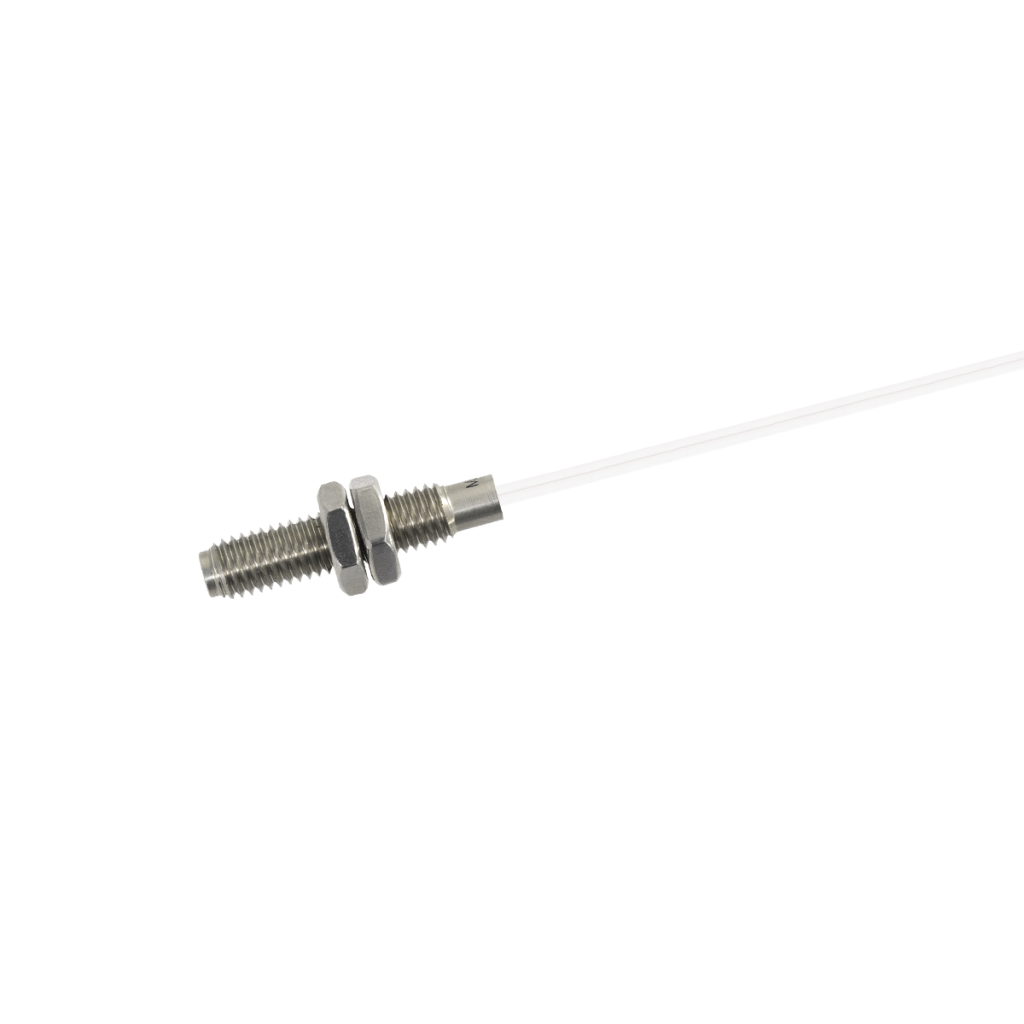

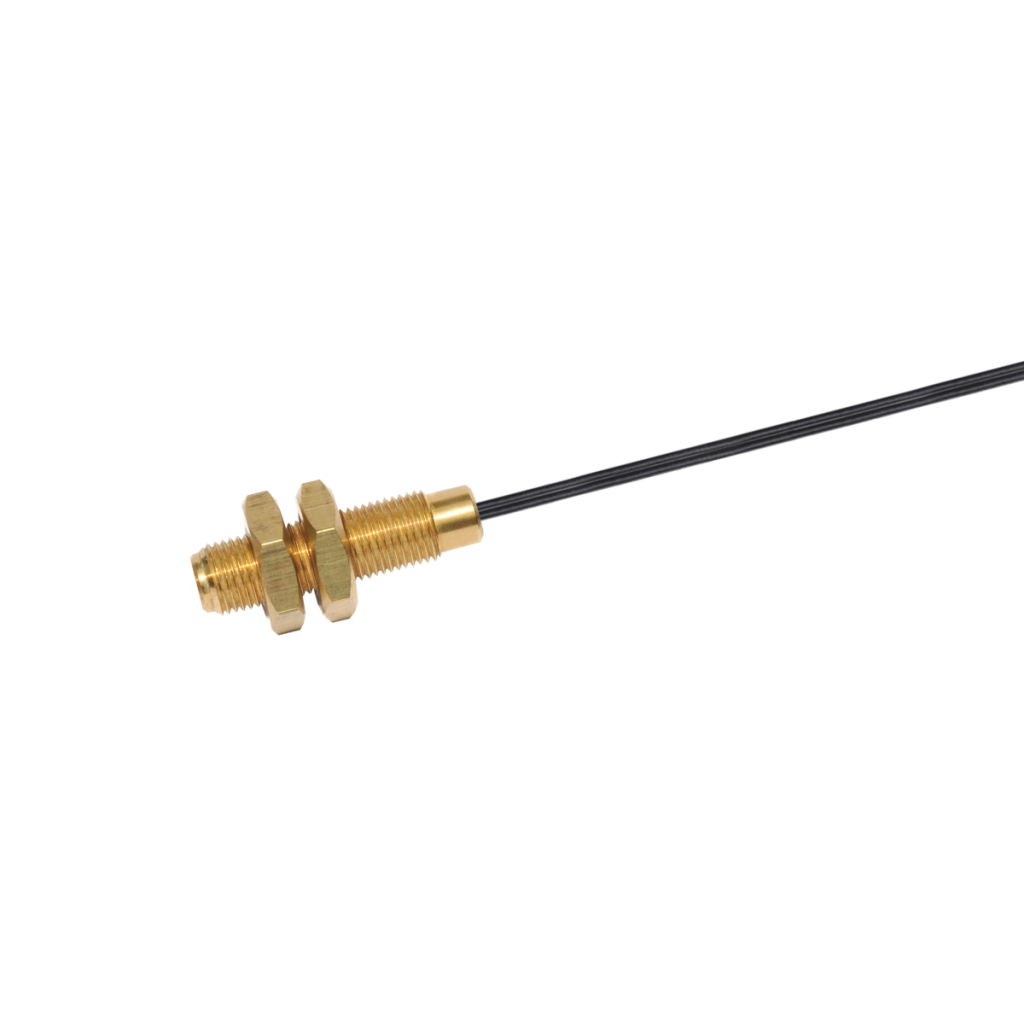
Hall sensors provide solid-state, contactless feedback for speed, position, and angular measurement. Their predictable linearity and fast response time make them indispensable for motion control applications.
Hall sensors are often used in redundant configurations in safety-rated systems due to their stable electrical performance over life.
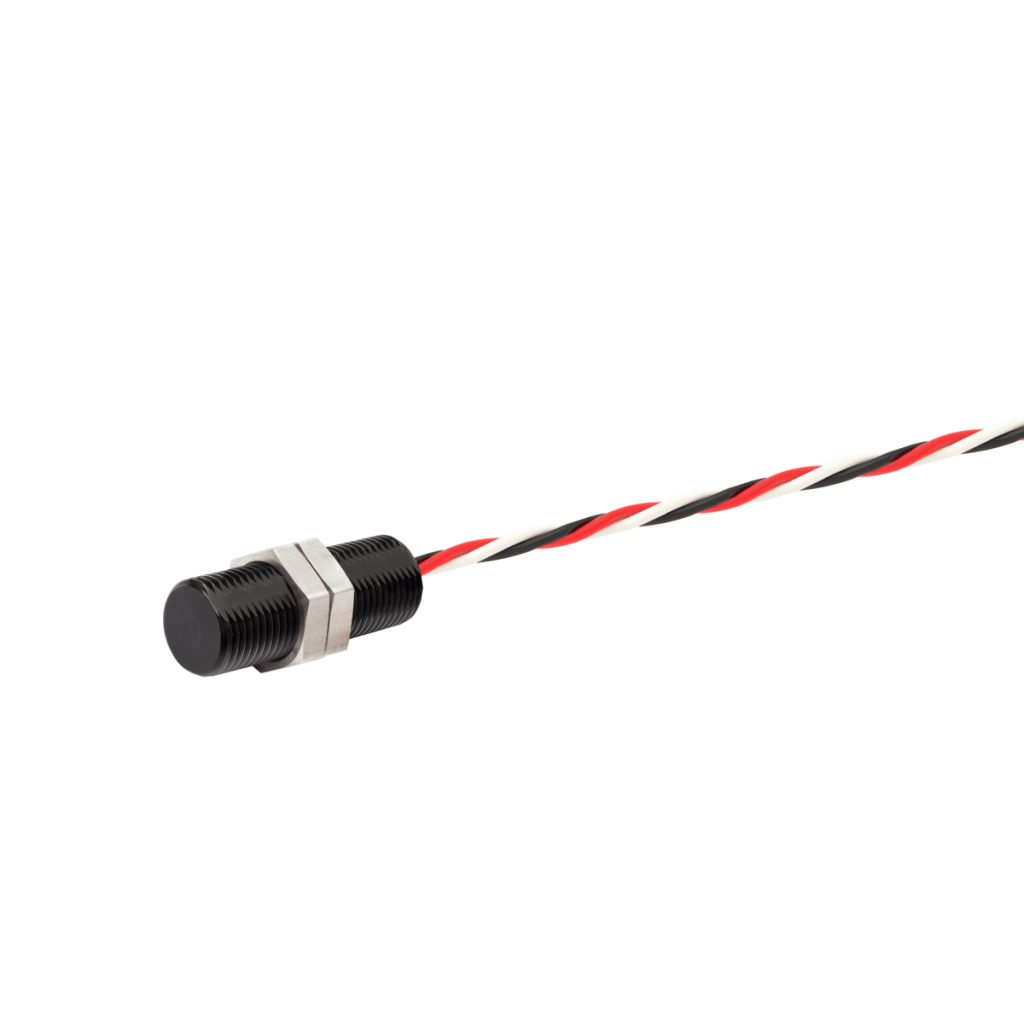
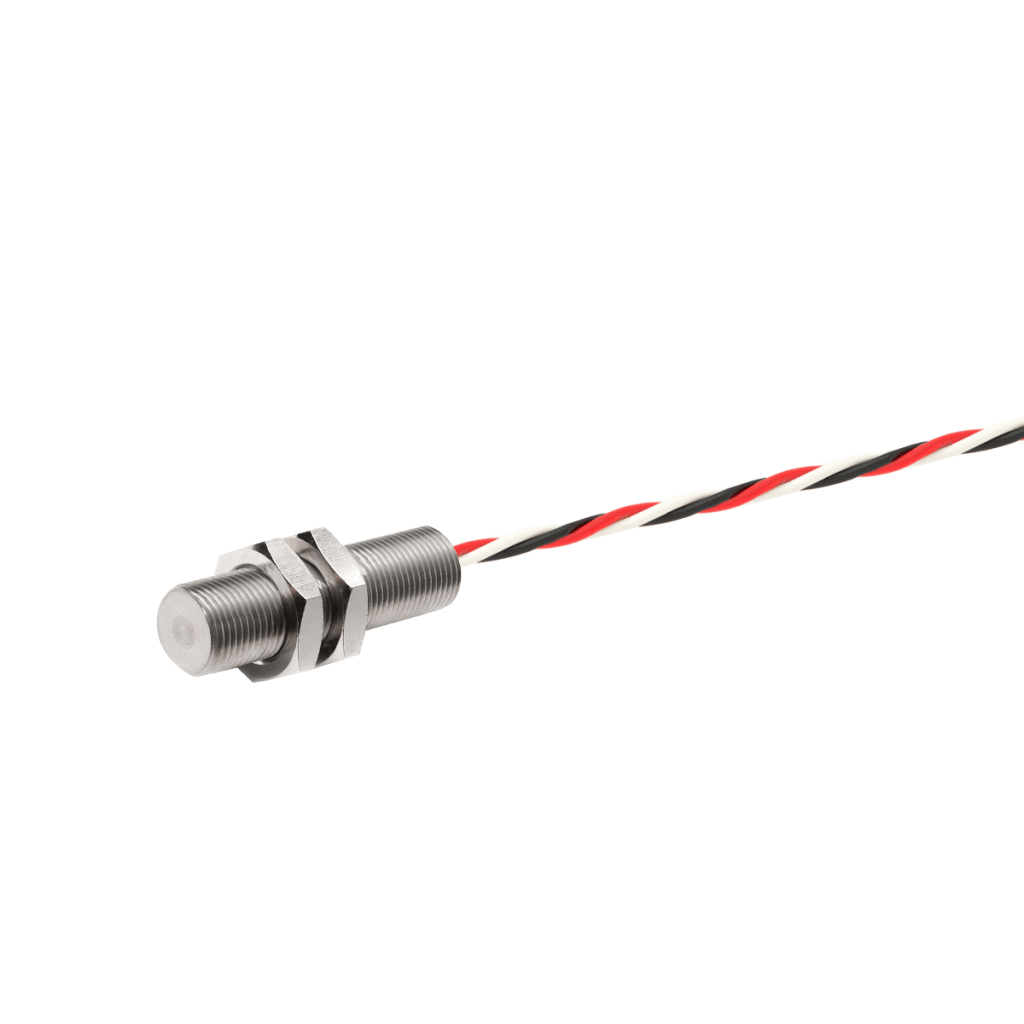
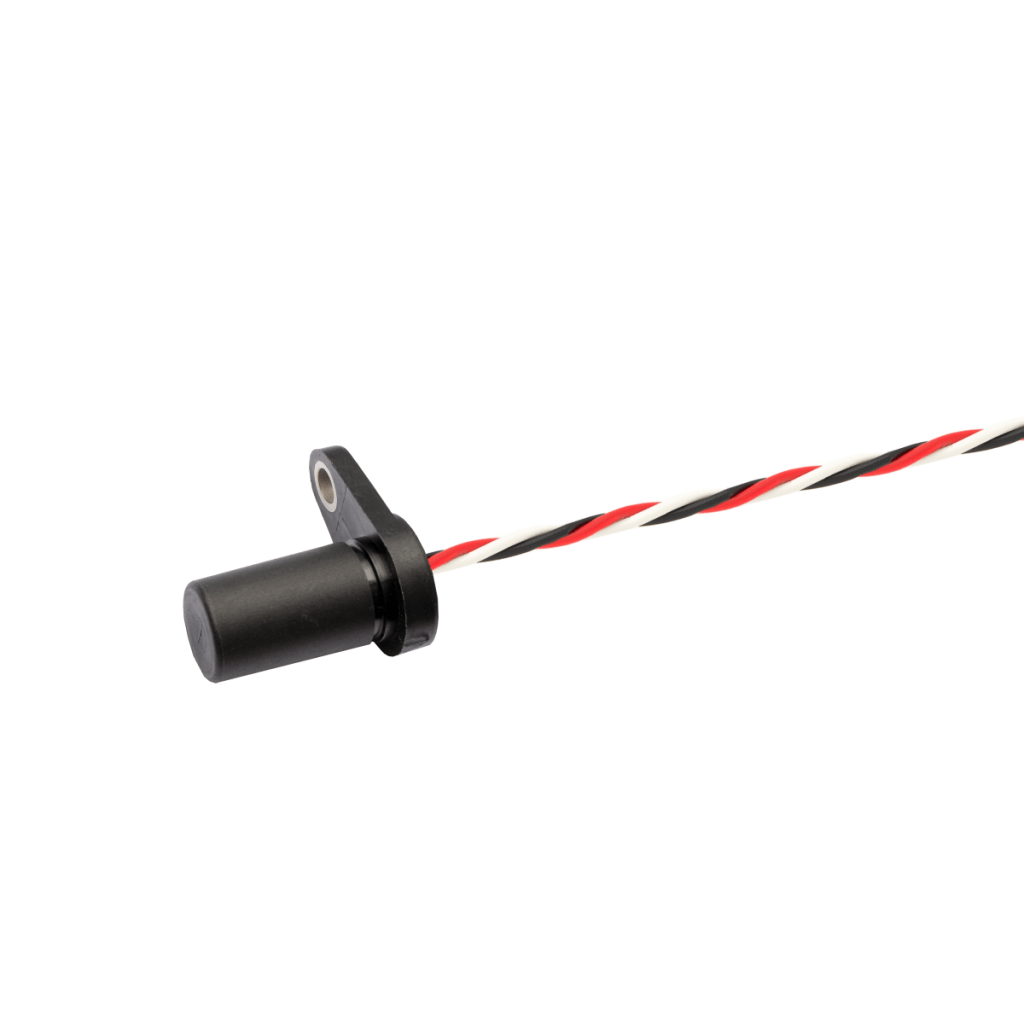
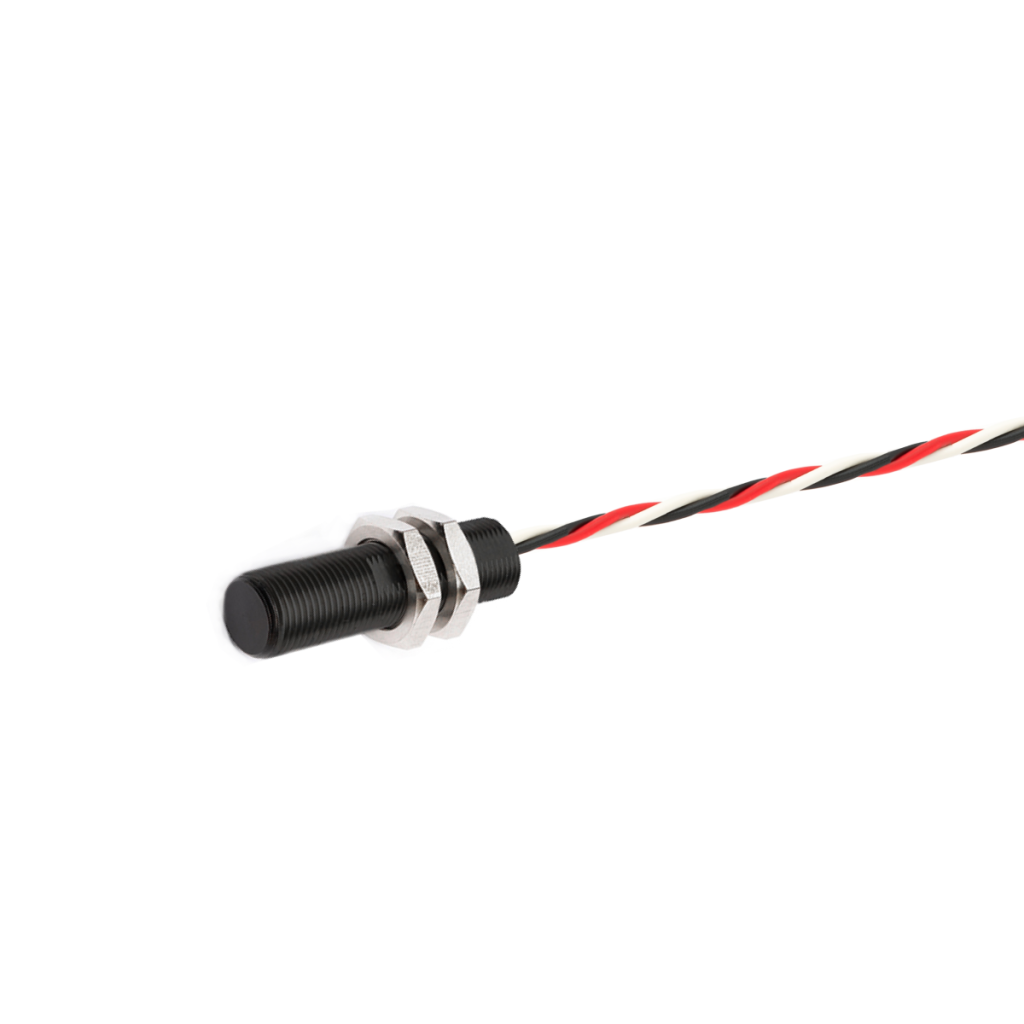
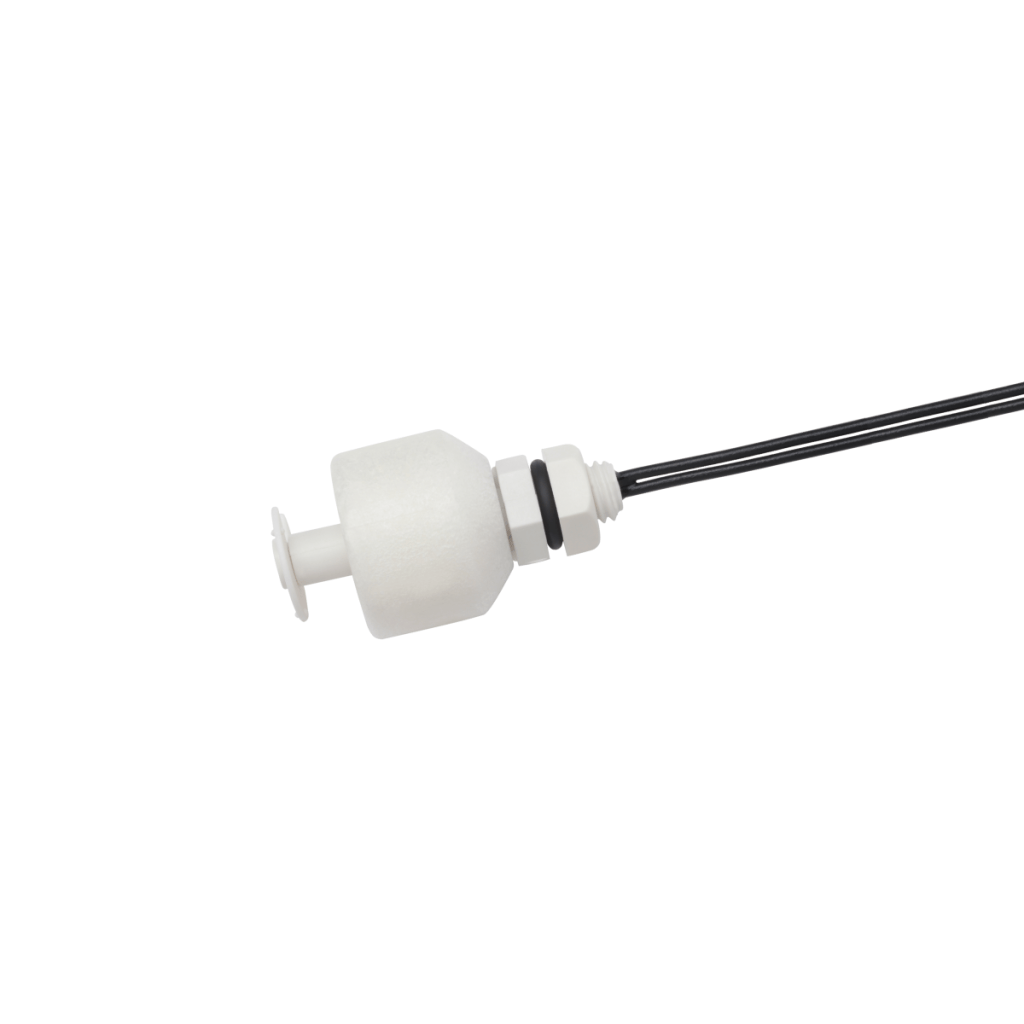
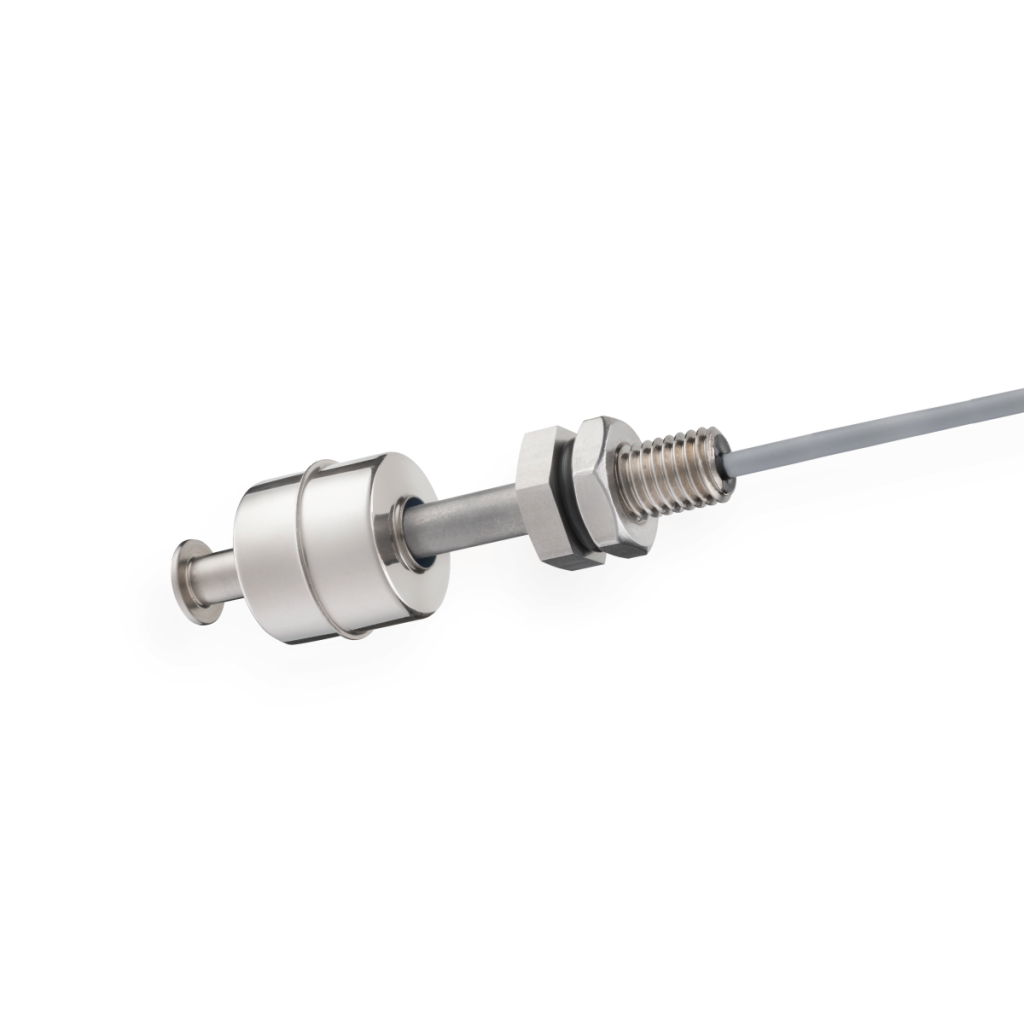
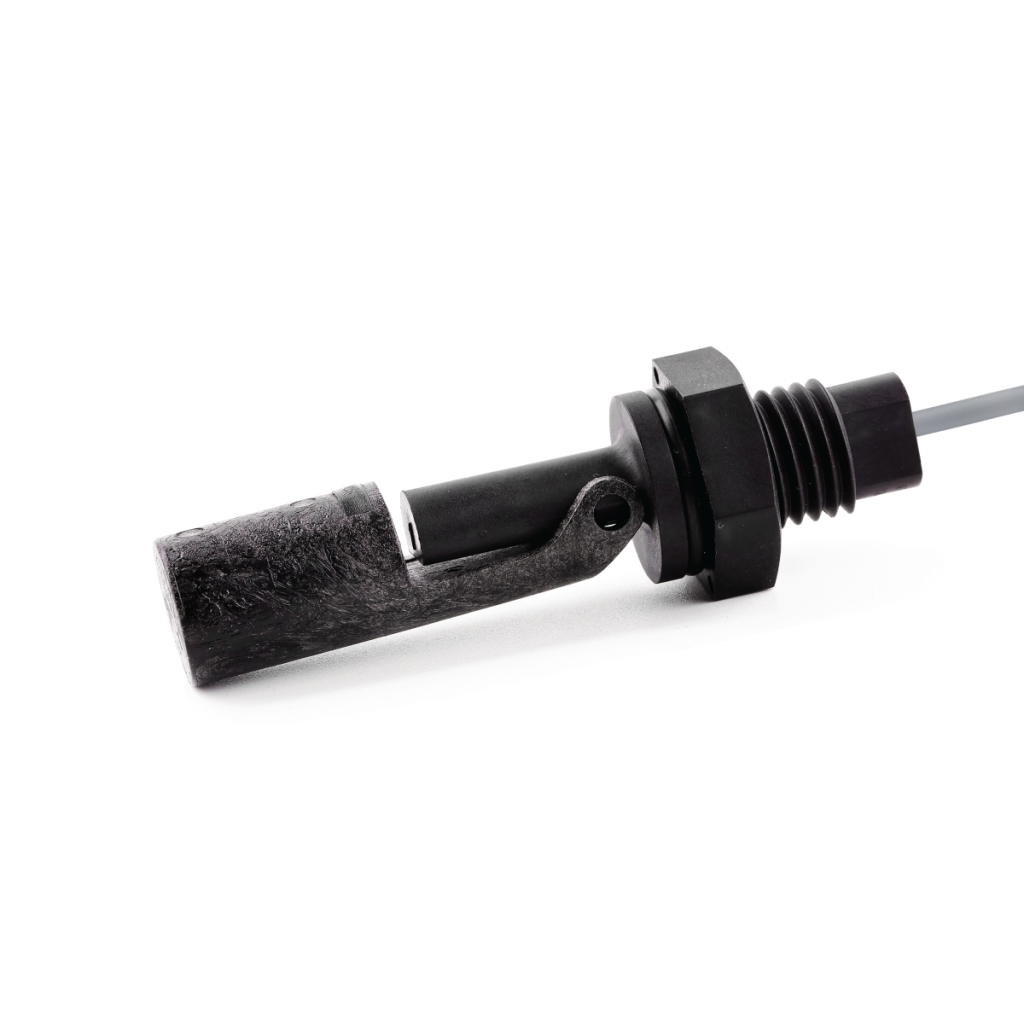
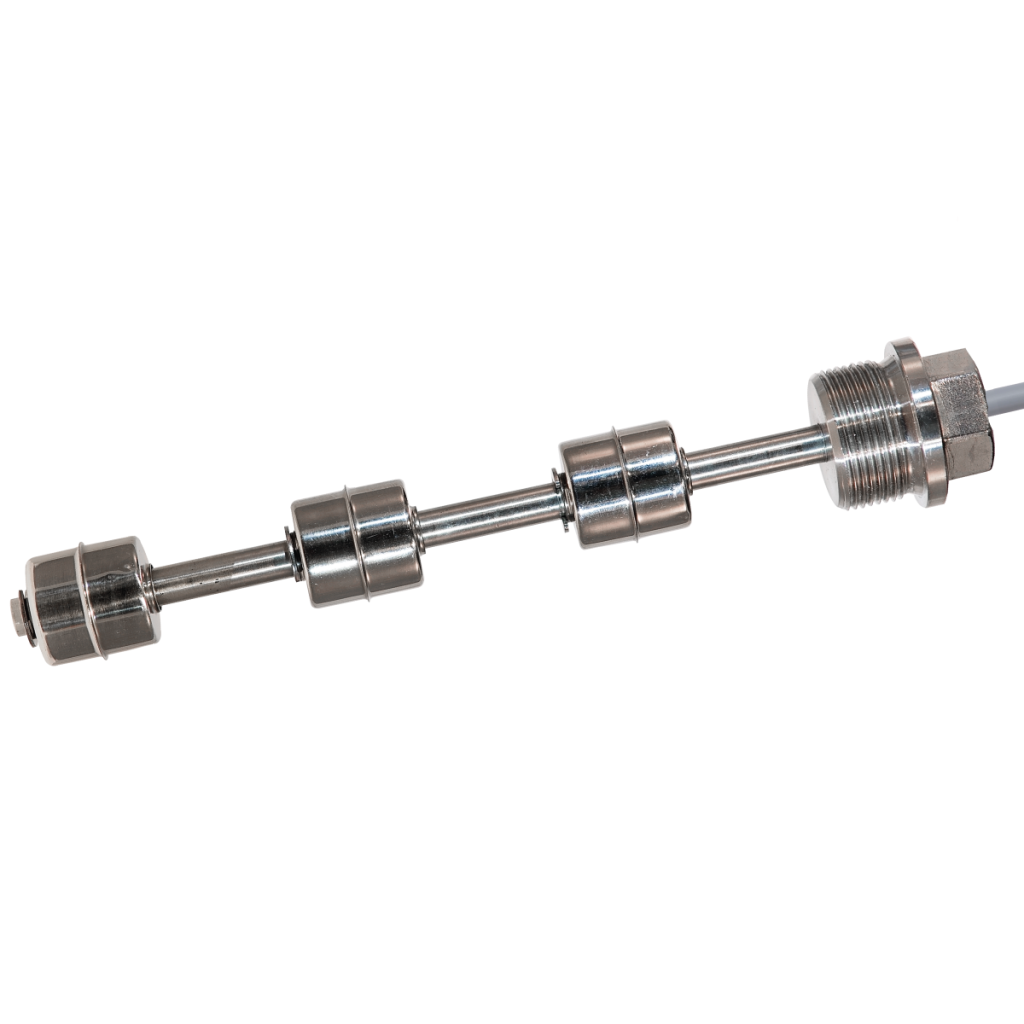
Reed-based, and Hall-based technologies are used in float-based sensors to provide level sensing in reservoirs and tanks.
Maintaining consistent lubrication/coolant levels is directly tied to uptime and equipment lifespan especially in high-duty-cycle robotics, conveyors, and other motion systems.

Partnering for Precision
For When it Matters – The Right Design, at the Right Time, at the Optimal Cost.
Designing motion systems that deliver consistent uptime isn’t just about selecting a sensor, it’s about ensuring long‑term system performance, reliability, and operational stability under real‑world conditions. From maintaining accurate position and proximity detection in high‑cycle automation to ensuring reliable sensing in vibration‑prone, electrically noisy, or fluid‑dependent environments, every sensing decision impacts system uptime and throughput.
That’s why leading engineers partner with Standex Detect, not simply as a sensor supplier, but as a fully integrated engineering and manufacturing partner for precision sensing solutions in motion-driven systems.
End-to-End Design
With complete in‑house control from reed switch fabrication to finished sensor assembly, Standex Detect designs, manufactures, tests, and qualifies sensing solutions entirely within our organization. This vertical integration ensures consistent performance, stable supply, and faster development cycles, critical for motion systems requiring predictable operation over millions of cycles.
Custom Engineered
While many designs begin with standard platforms, thousands of applications evolve into custom‑engineered sensing solutions. Detection points, mechanical integration, and environmental performance are optimized to fit the application supporting accurate, repeatable sensing in demanding motion systems.
Global Scale. Application Expertise.
With engineering and manufacturing operations across North America, Europe, and Asia, Standex Detect supports motion‑system programs from prototype through production. Backed by deep materials science expertise and proprietary lifecycle testing, our sensing solutions deliver reliable performance across industrial automation, material handling, and fluid‑dependent motion environments.
Co-Engineering Partnership
Standex Detect works directly with your engineering team from concept through validation and production to reduce design risk, optimize sensing performance, and accelerate time to market. Therefore, you get precision sensing solutions engineered to support motion system accuracy, uptime, and long‑term reliability, not just components.
Talk to Us About Your Motion System Application
Whether you’re designing new automation equipment or improving the reliability of existing systems, precision sensing can play a critical role in reducing downtime.
What You Gain:
- Custom-engineered sensor solutions tailored to your requirements
- Support from concept through validation and production
- Proven performance in accurate position, proximity, and level measurement in high-cycle automation
- Global manufacturing with supply chain stability
Related Articles
-
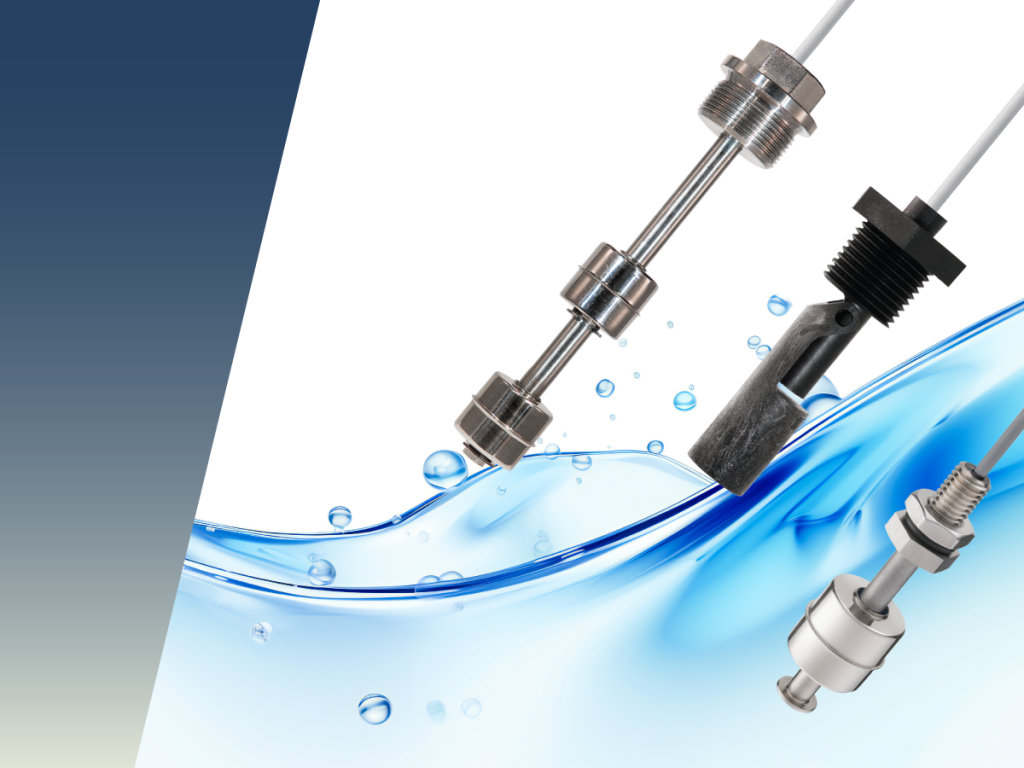
Liquid Level Sensors and Floats: An Engineering Guide to Accurate and Reliable Level Measurement
Liquid level sensors and float switches play a critical role in accurate, reliable liquid level measurement across industrial, medical, and commercial systems. This engineering guide explains how reed switch–based liquid level sensors work, compares single‑point, multi‑point, and continuous level sensing technologies, and helps engineers select the right solution for performance, compatibility, and long‑term reliability.
-

Reed Relays for High-Voltage Isolation in Electric Vehicles
Electric and hybrid vehicles operate at increasingly high voltages typically 400 to 800 VDC which raises new challenges for isolation measurement, safety, and long-term reliability. Selecting the right switching component is critical. Reed relays have emerged as a proven solution for high-voltage isolation monitoring in Battery Management Systems (BMS) and onboard chargers. This article explains…
-

Energy Efficient Sensor Solutions for AI Ready Data Centers
As AI workloads push data centers to higher power and thermal limits, energy efficiency has never been more critical. This article explores how passive, zero‑power sensor solutions help AI‑ready data centers improve cooling performance, enhance security, and maintain uptime without increasing energy consumption.
-
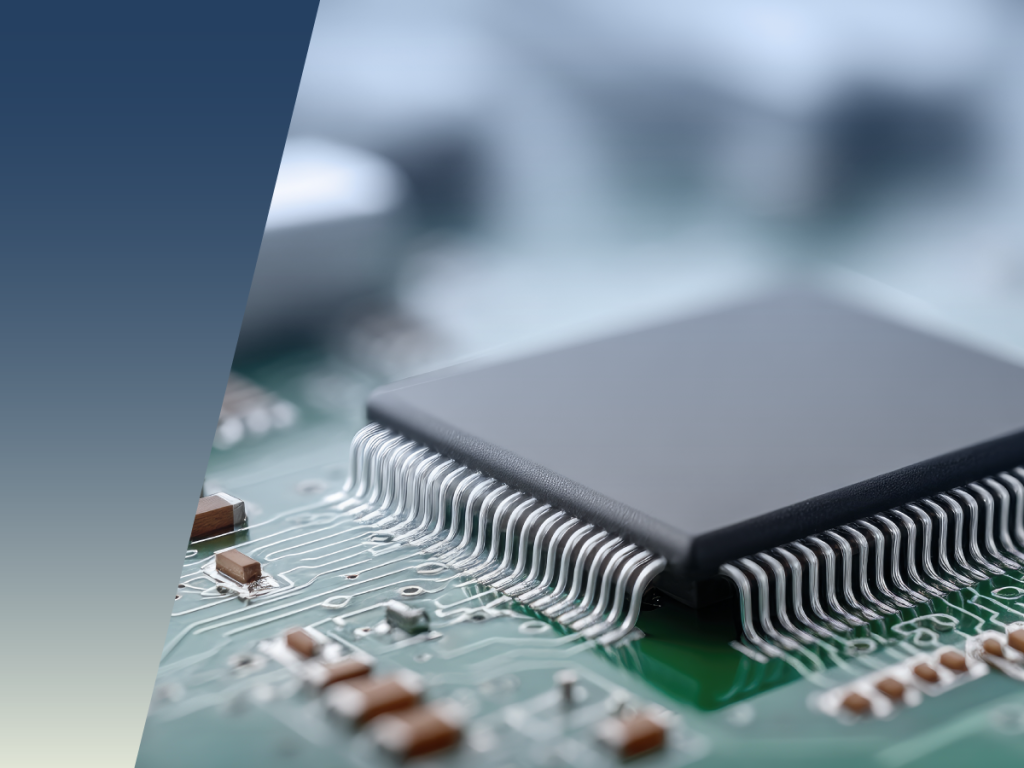
Designing High-Voltage Test Systems with Precision Switching
Accurate switching of high voltages directly influences measurement accuracy, stability, and throughput. In high‑impedance and insulation tests, leakage paths dominate error budgets, while parasitic capacitance limits settling time in multiplexed architectures. The right relay technology and careful PCB/Layout practices are essential to meet performance targets without sacrificing channel density.