
Supporting Safer Operation, Greater Efficiency, and Long-Term Reliability Across Electric Vehicle Platforms
Learn how reliable sensing supports safer, more efficient EV systems. Explore applications in battery management, charging systems, fluid monitoring, and safety detection and discover how advanced sensing technologies help improve performance, reliability, and operational safety.
If there are particular areas you need help with, feel free to skip to any of the following sections:
- Introduction
- Why Reliable Sensing Matters in Modern EVs
- Sensing Across Critical EV Systems
- Reed or Hall? It Depends on the Application.
- Solving Critical EV Sensing & Monitoring Challenges
- Why Engineers Choose Reed Sensing Technologies
- Frequently Asked Questions
- Sensors for EV Systems
- Partnering for Precision
Introduction
Electric vehicles rely on more sensing technologies than ever before.
From battery management systems and charging infrastructure to coolant monitoring and safety-critical detection, sensors play a vital role in keeping EV platforms operating safely and efficiently.
As EV architectures continue to evolve with higher voltages, faster charging, and increasing system complexity, engineers need sensing solutions that deliver reliability, efficiency, and long-term performance.
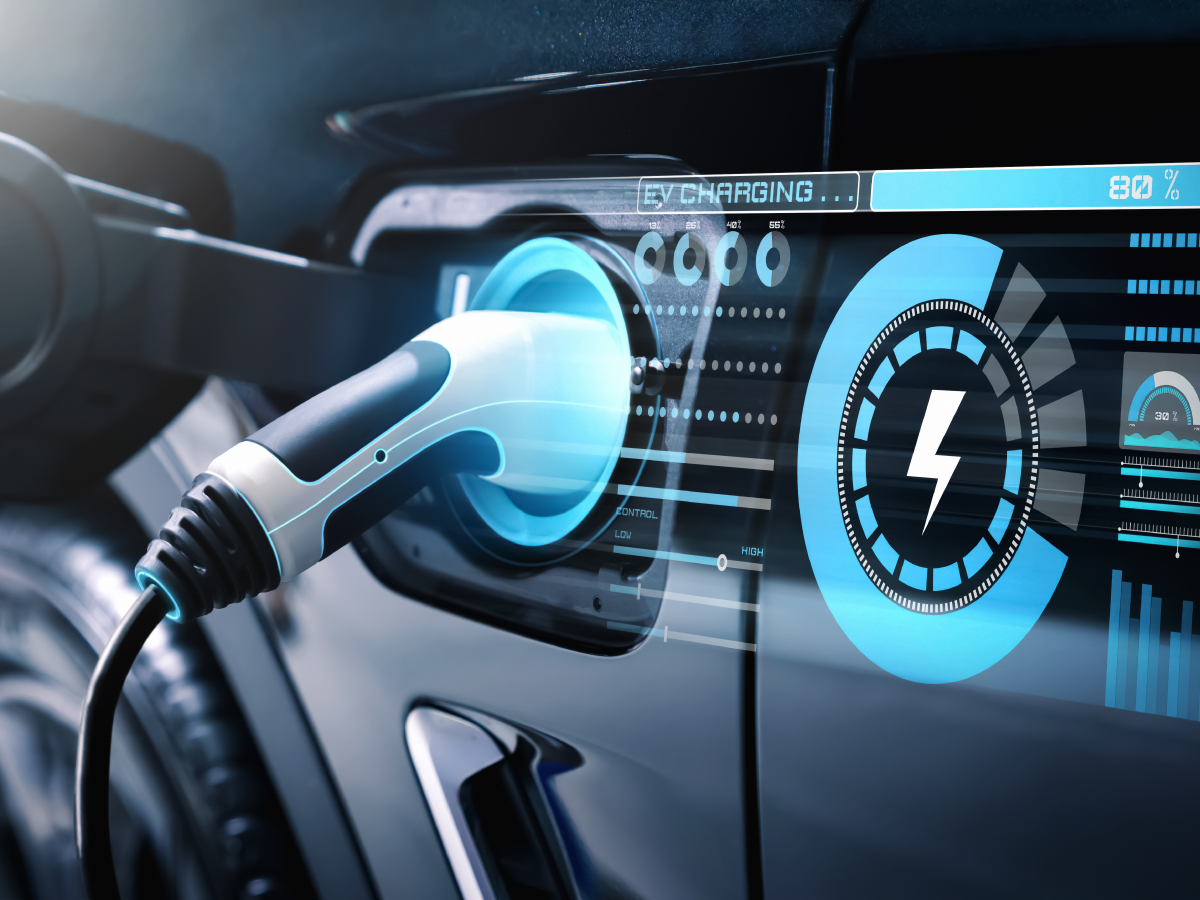
Modern vehicles already contain more than 100 sensors, and that number continues to rise. As EV platforms become increasingly connected and intelligent, engineers need sensing solutions that are compact, energy efficient, and highly reliable.
Jump to: Introduction | Sensing Matters in Modern EVs | Sensing Across Critical EV Systems | Reed or Hall? | Solving Critical EV Sensing Challenges | Why Engineers Choose Reed Technologies | FAQ | Sensors for EV Systems | Partnering for Precision
Why Reliable Sensing Matters in Modern EVs
The average vehicle now contains well over 100 sensing points, and that number continues to grow as vehicles become increasingly connected, automated, and electrified.
These sensing points help monitor:
- Battery management systems
- Fluid systems
- Charging infrastructure
- Position and motion functions
- Vehicle safety systems
When sensing reliability is compromised, critical vehicle functions can be impacted.

Jump to: Introduction | Sensing Matters in Modern EVs | Sensing Across Critical EV Systems | Reed or Hall? | Solving Critical EV Sensing Challenges | Why Engineers Choose Reed Technologies | FAQ | Sensors for EV Systems | Partnering for Precision
Sensing Across Critical EV Systems
Battery Management Systems
As EV platforms move toward 800V architectures and higher charging currents, maintaining safe isolation and monitoring becomes increasingly important.
Reliable sensing supports:
- High-voltage isolation monitoring
- Battery conditioning
- Insulation monitoring
- Battery pack position verification
- On-board charging
Read the Blog: High-Voltage Isolation in Electric Vehicles
Charging Systems
Charging infrastructure depends on accurate sensing to verify:
- Charge-port engagement
- Charging state
- Safety interlocks
- Connector lock position
These functions help support safe charging and reliable operation.
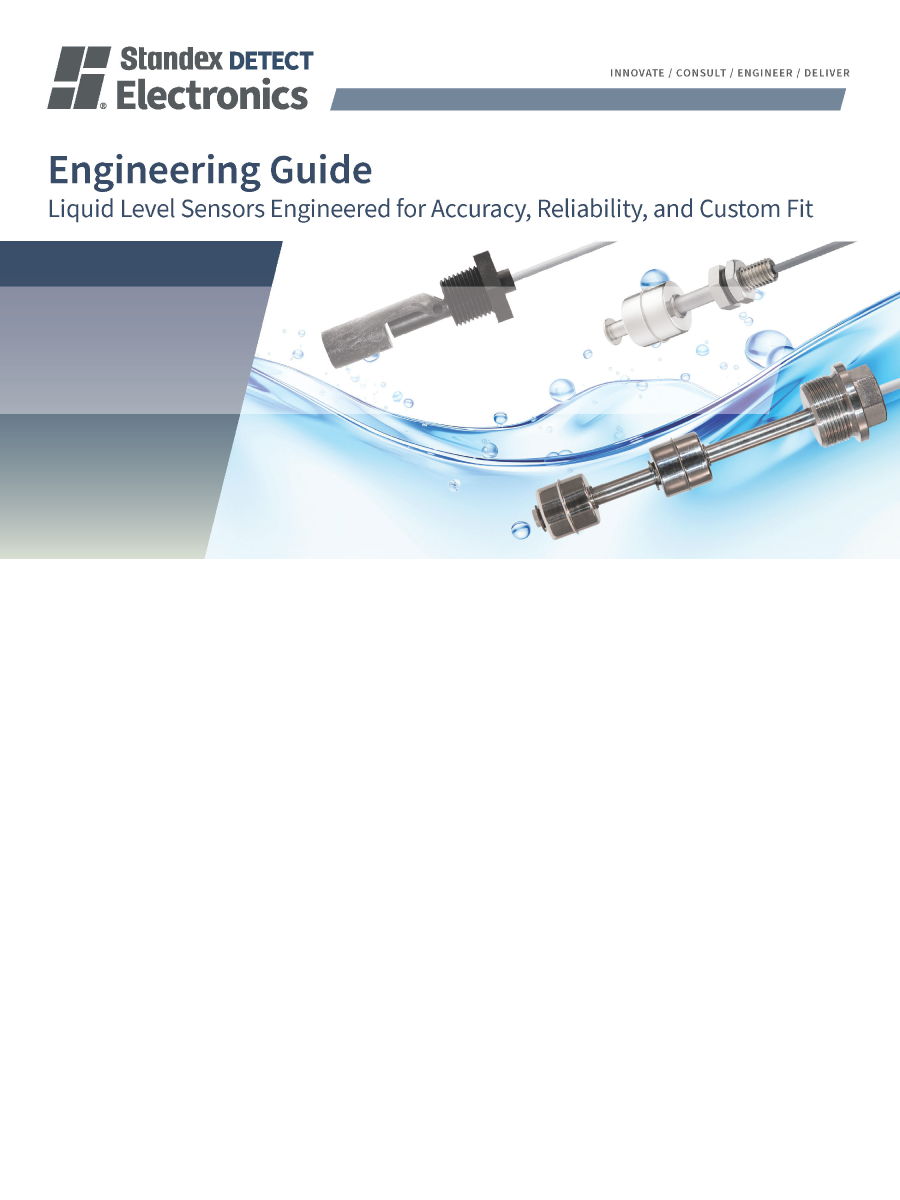
Cooling & Fluid Monitoring
Battery performance depends heavily on fluid and cooling systems.
Applications include:
- Coolant level monitoring
- Coolant flow verification
- Oil level sensing
- Brake fluid sensing
- Leak detection
Accurate monitoring helps maintain system reliability and support efficient battery cooling
Read the Blog: Engineering Guide to Accurate and Reliable Level Measurement
Safety & Position Detection
Position sensing technologies support:
- Door and latch detection
- Seat occupancy systems
- Brake and pedal position
- Hood and trunk monitoring
- Safety interlock functions
Reliable detection helps improve vehicle safety and operational performance.
Key Takeaway
As EV architectures become more complex, reliable sensing provides the visibility and feedback needed to maintain safe, efficient, and dependable operation.
Jump to: Introduction | Sensing Matters in Modern EVs | Sensing Across Critical EV Systems | Reed or Hall? | Solving Critical EV Sensing Challenges | Why Engineers Choose Reed Technologies | FAQ | Sensors for EV Systems | Partnering for Precision
Reed or Hall? It Depends on the Application.
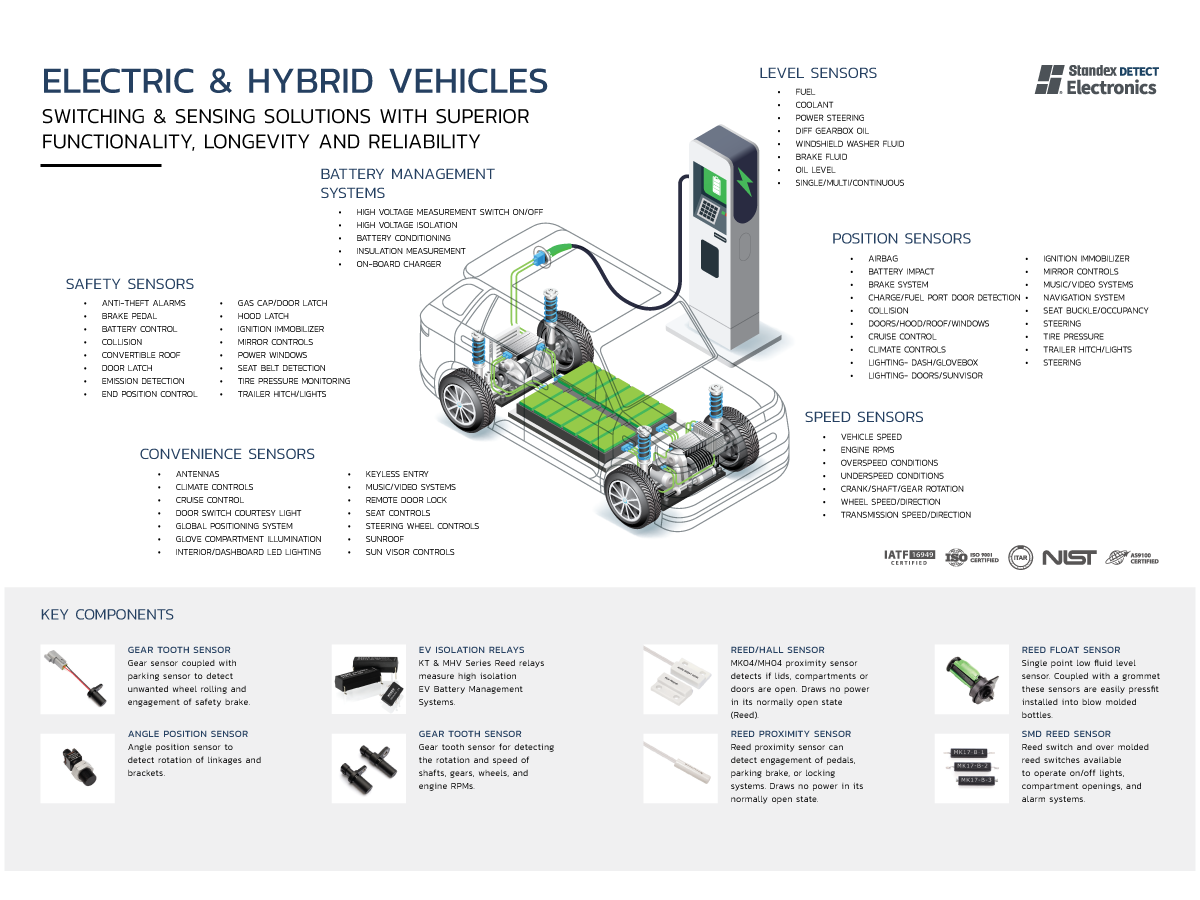
Hall Effect sensors are often used for rotational speed, motion, drivetrain monitoring, and safety functions when an ASIL rating is required while reed sensors provide highly reliable, low-power detection for battery management, fluid monitoring, charging systems, and convenience sensing. Standex Detect offers both technologies to help engineers optimize EV system performance.
Jump to: Introduction | Sensing Matters in Modern EVs | Sensing Across Critical EV Systems | Reed or Hall? | Solving Critical EV Sensing Challenges | Why Engineers Choose Reed Technologies | FAQ | Sensors for EV Systems | Partnering for Precision
Solving Critical EV Sensing and Monitoring Challenges
As EV platforms evolve toward higher voltages, faster charging, and increased driving range, monitoring and protecting critical systems becomes increasingly complex.
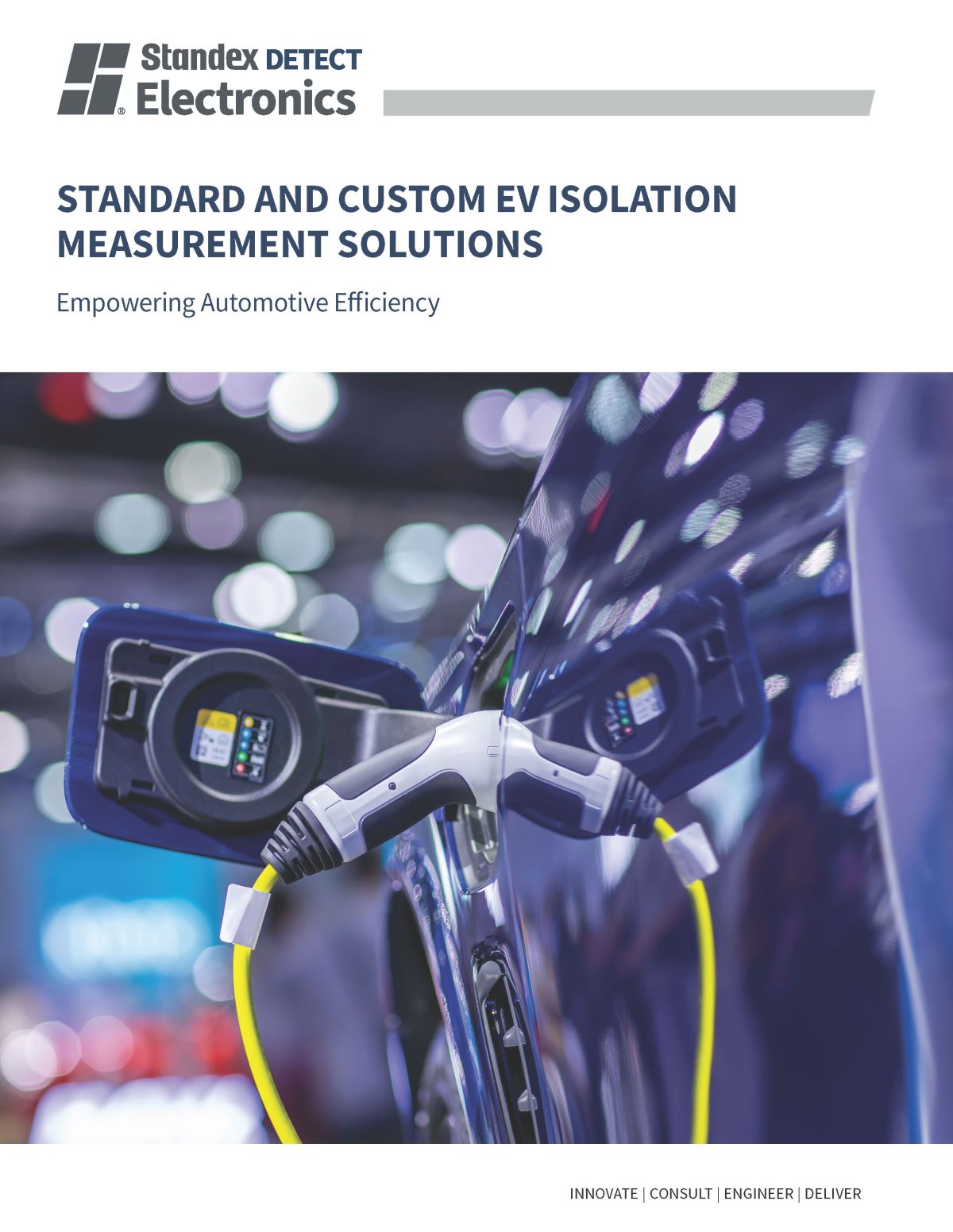
One EV manufacturer approached Standex Detect with a challenge: accurately measuring isolation resistance between the vehicle chassis and high-voltage battery systems while meeting strict automotive safety requirements. At the time, battery voltages were increasing toward 800V architectures, creating new measurement and protection challenges.
The Challenge
To ensure safe operation, EV battery systems must remain electrically isolated from the vehicle chassis. Accurately monitoring that isolation becomes more difficult as:
- Battery voltages increase
- Safety requirements become more stringent
- System capacitance grows
- Measurement accuracy becomes more critical
The customer required a solution capable of supporting high isolation resistance, high breakdown voltage, long-term reliability, and compliance with demanding automotive standards.
The Solution
Drawing on experience across automotive, energy, and industrial applications, Standex Detect worked closely with the customer’s engineering team to develop a solution optimized for the application.
A standard platform was customized to improve:
- Breakdown voltage performance
- Shock and vibration resistance
- Coil characteristics
- Long-term reliability
Why it Matters
As electric vehicles become more advanced, reliable monitoring and sensing technologies are critical to maintaining safety, protecting high-voltage systems, and ensuring dependable operation.
Key Takeaway
Reliable sensing and monitoring help protect critical EV systems, supporting safer operation, improved performance, and long-term vehicle reliability.
Jump to: Introduction | Sensing Matters in Modern EVs | Sensing Across Critical EV Systems | Reed or Hall? | Solving Critical EV Sensing Challenges | Why Engineers Choose Reed Technologies | FAQ | Sensors for EV Systems | Partnering for Precision
Why Engineers Choose Reed Sensing Technologies
Reed-based sensing solutions offer several advantages for EV applications:
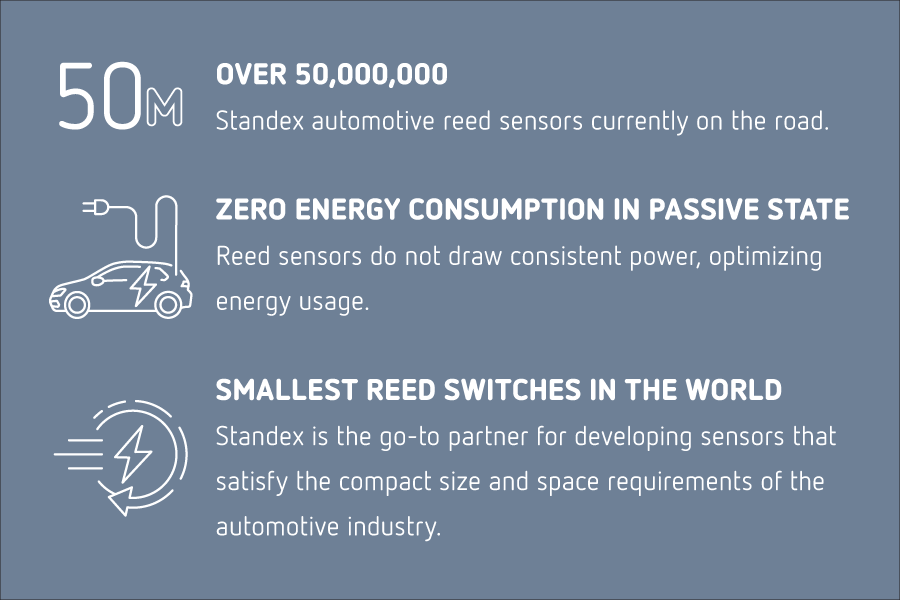
- Zero power consumption in passive state
- Long operating life
- Hermetically sealed construction
- Reliable performance in harsh environments
- Resistance to dust, moisture, vibration, and shock
- Compact form factors for space-constrained applications
These characteristics make reed sensors well-suited for transportation and EV systems where reliability and efficiency are critical.
Jump to: Introduction | Sensing Matters in Modern EVs | Sensing Across Critical EV Systems | Reed or Hall? | Solving Critical EV Sensing Challenges | Why Engineers Choose Reed Technologies | FAQ | Sensors for EV Systems | Partnering for Precision

Frequently Asked Questions About EV Sensing Systems
Engineers designing industrial automation, robotics, material handling equipment, and motion control systems frequently ask how to reduce unplanned downtime, improve position sensing accuracy, and select the best sensor technology for challenging environments.
Below are answers to common questions about reed sensors, Hall effect sensors, proximity sensing, liquid level monitoring, and other precision sensing solutions that help improve equipment reliability and operational uptime.
Click a question below to explore detailed answers.
What role do sensors play in electric vehicles?
Sensors provide the critical feedback needed to monitor and protect EV systems. They support battery management, charging systems, fluid monitoring, motion detection, and safety functions that help ensure reliable vehicle operation.
Why is sensing important in EV battery management systems?
Battery management systems rely on sensing technologies to monitor isolation, support battery conditioning, verify charging status, and help maintain safe operation of high-voltage systems. As EV architectures move toward higher voltages, accurate monitoring becomes increasingly important.
What types of EV applications use reed sensors?
Reed sensors are commonly used for:
- Battery management systems
- Charge-port detection
- Door and compartment monitoring
- Coolant and fluid level sensing
- Position and safety interlocks
Their low power consumption and hermetically sealed construction make them well suited for demanding automotive environments.
What role do Hall Effect sensors play in EV systems?
Hall Effect sensors are frequently used for rotational speed and motion-related applications, including wheel speed monitoring, gear tooth sensing, drivetrain feedback, and motor position detection. They provide continuous electronic feedback in dynamic systems and safety functions when an ASIL rating is required.
Why are reed sensors popular in EV designs?
Reed sensors offer several advantages for EV applications, including:
- Zero power consumption in their passive state
- Long operating life
- Resistance to shock and vibration
- Reliable operation in harsh environments
- Compact form factors for space-constrained designs
These features help support efficiency, reliability, and long-term vehicle performance.
Can Standex Detect provide custom sensing solutions for EV applications?
Yes. While many projects begin with standard products, Standex Detect regularly works with customers to develop application-specific solutions. Customization may include package size, environmental performance, switching characteristics, or application-specific requirements.
Jump to: Introduction | Sensing Matters in Modern EVs | Sensing Across Critical EV Systems | Reed or Hall? | Solving Critical EV Sensing Challenges | Why Engineers Choose Reed Technologies | FAQ | Sensors for EV Systems | Partnering for Precision
Sensors for EV Systems
AS01 SERIES AUTOMOTIVE LIQUID LEVEL SENSOR
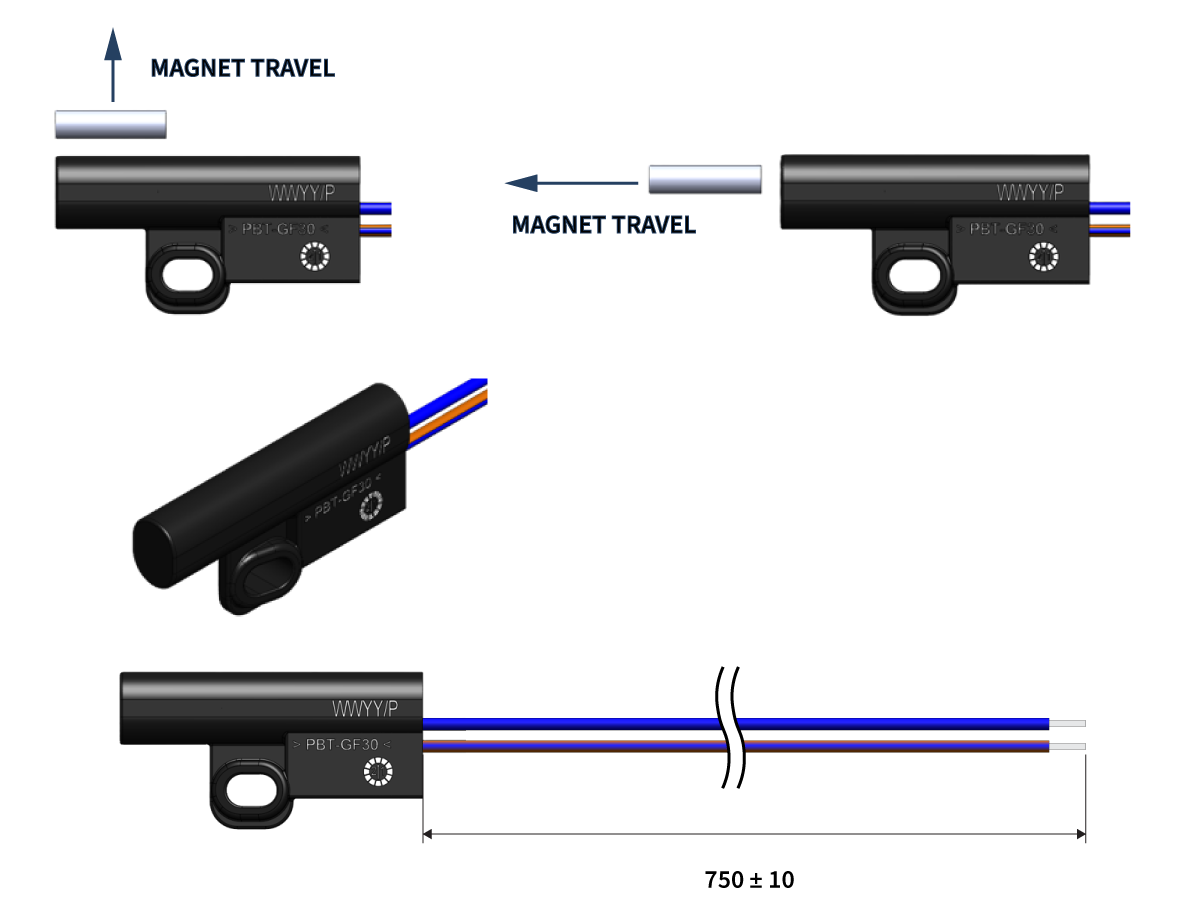
The AS01 Series is a compact and versatile liquid level sensor designed for reliable fluid monitoring in automotive and industrial applications. Its barrel-style housing features a single-slot mounting design, enabling straightforward installation and secure positioning within reservoirs and fluid systems.
Key Features
- Barrel-style insert design with a single slot for easy mounting and installation
- Available in Normally Open (NO), Normally Closed (NC), and Single Pole Double Throw (SPDT) configurations for application flexibility
- Optional internal resistors for customized output circuitry and unique sensing requirements
- Durable, dependable operation for a wide range of liquid level detection applications
The AS01 Series offers flexible switching options, simple integration, and customizable electrical outputs, making it an ideal solution for automotive fluid level monitoring and other demanding sensing applications.
AS02 SERIES AUTOMOTIVE LIQUID LEVEL SENSOR
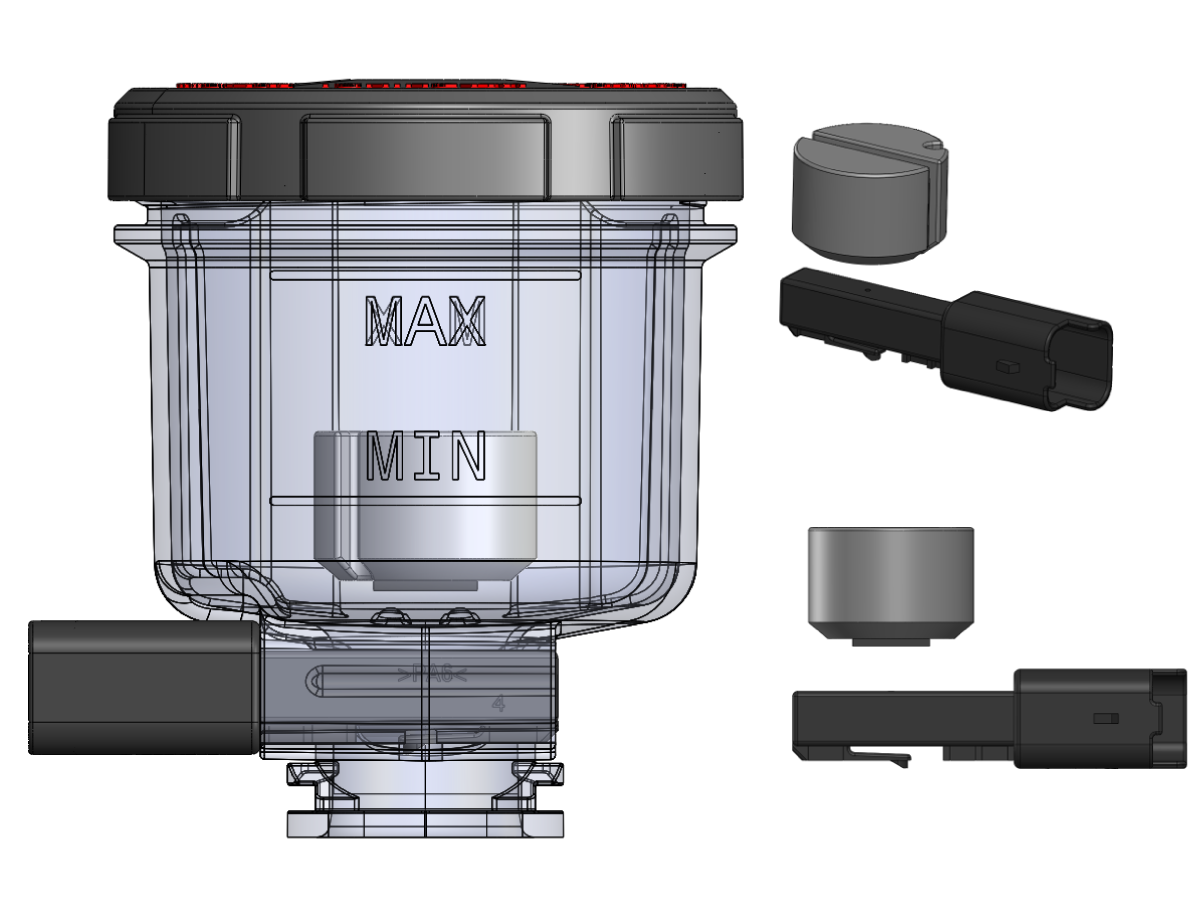
The AS02 Series is a reliable liquid level sensing solution designed for automotive fluid reservoirs and pressurized systems. Its snap-in mounting feature securely attaches the sensor to plastic bottles, while a magnetized float located inside the reservoir works with an externally mounted sensor. This non-contact design eliminates potential leak paths, making it ideal for sealed or pressurized applications.
Key Features
- Snap-in installation for secure mounting in plastic reservoirs
- External sensor with internal float design to prevent leaks
- Ideal for pressurized systems where fluid containment is critical
- Available in Normally Open (NO) and Normally Closed (NC) configurations
- Optional internal resistors for customized output circuitry and application-specific requirements
The AS02 Series delivers robust, leak-free liquid level detection for automotive and other demanding fluid management applications.
COOLANT FLUID SENSORS
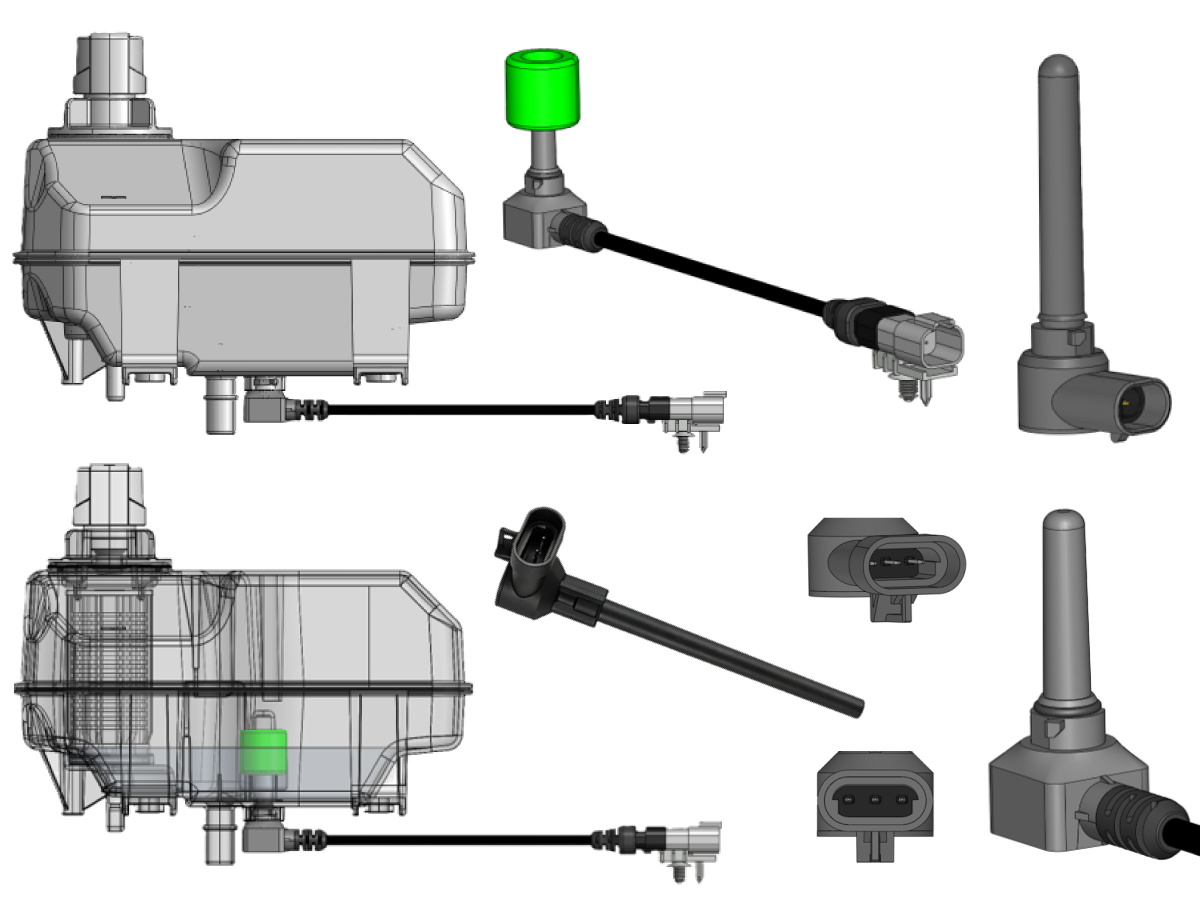
Standex Detect’s Coolant Fluid Sensors provide dependable liquid level monitoring for automotive cooling systems and other fluid reservoirs. Designed with a snap-in mounting feature for plastic bottles and tanks, these sensors use a non-contact sensing approach in which a float is located inside the reservoir while the sensor remains external. This design eliminates potential leak paths, making it especially well-suited for sealed and pressurized coolant systems.
Key Features
- Snap-in mounting design for secure installation in plastic reservoirs
- External sensor with internal float arrangement to prevent leaks and maintain system integrity
- Ideal for pressurized coolant systems where reliable sealing is critical
- Available in Normally Open (NO) and Normally Closed (NC) configurations
- Optional internal resistors for customized output circuitry and specific application requirements
- Mating Floats available
- Polypropylene for coolant, brake fluid and washer fluid
- NBR for oil and coolant
Coolant Fluid Sensors deliver reliable, leak-free fluid level detection, helping improve system safety, performance, and long-term reliability in demanding automotive applications.
WASHER FLUID SENSORS
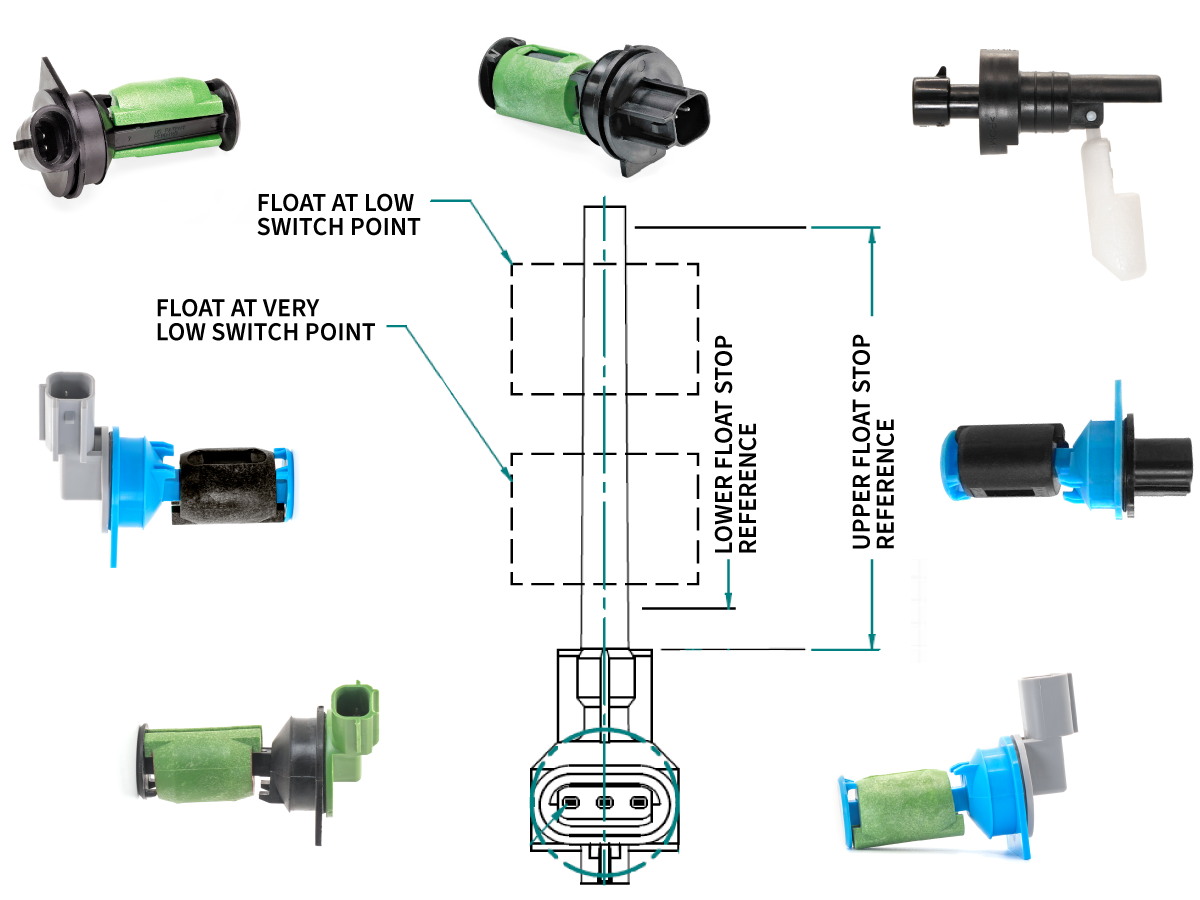
Standex Detect’s Washer Fluid Sensors are designed to provide dependable fluid level detection for automotive washer reservoirs. Engineered for easy integration, these sensors utilize a grommet-mounted design that presses directly into the bottle, offering a secure and cost-effective installation solution. Multiple configurations and mounting styles provide the flexibility needed to meet a wide range of vehicle and reservoir designs.
Key Features
- Grommet-mounted design for simple, secure installation into washer fluid reservoirs
- Configurable as Normally Open (NO) or Normally Closed (NC) to meet application requirements
- Available in Finger Style and Riser Style designs for flexible reservoir integration
- Integrated connector can be oriented in custom positions to simplify routing and improve cable management
- Designed for reliable fluid level monitoring in demanding automotive environments
Washer Fluid Sensors offer a versatile, customizable solution for fluid level detection, helping automotive manufacturers optimize reservoir designs, simplify installation, and improve overall system reliability.

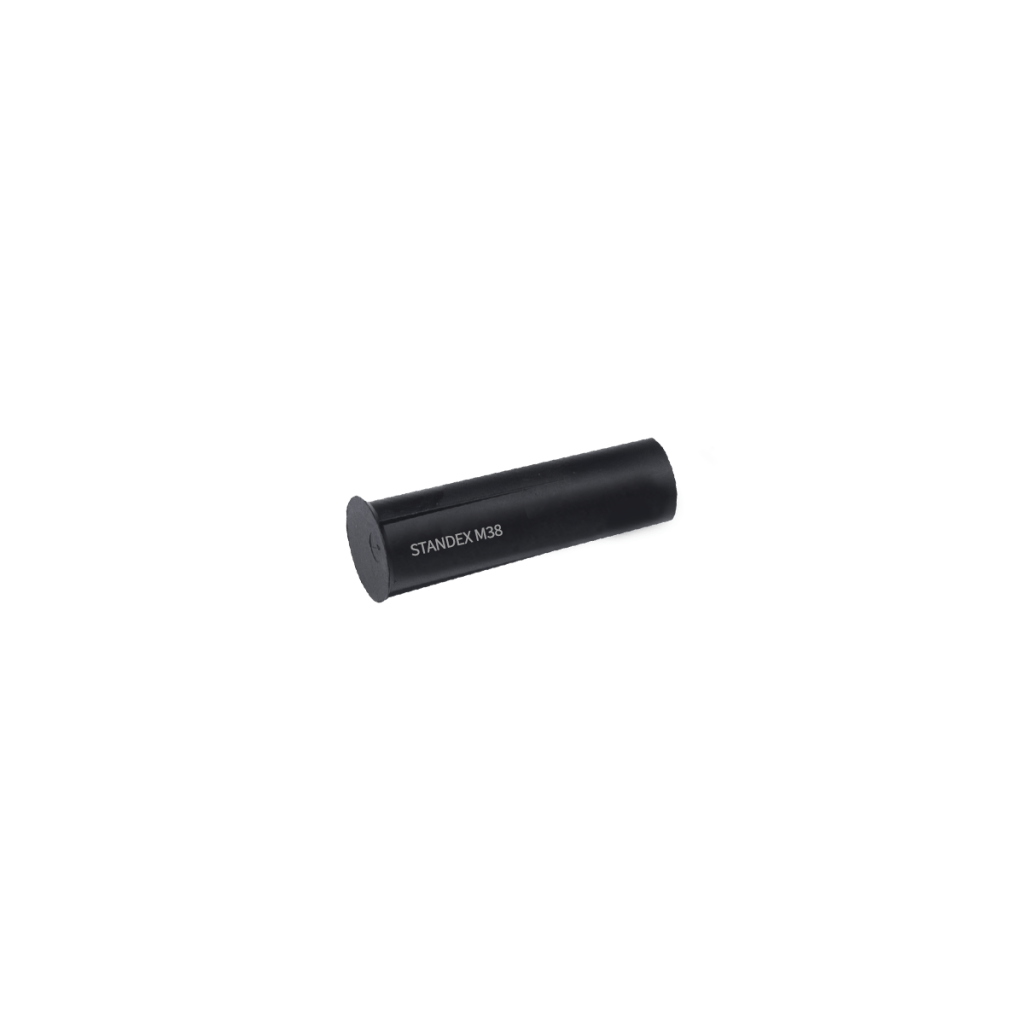
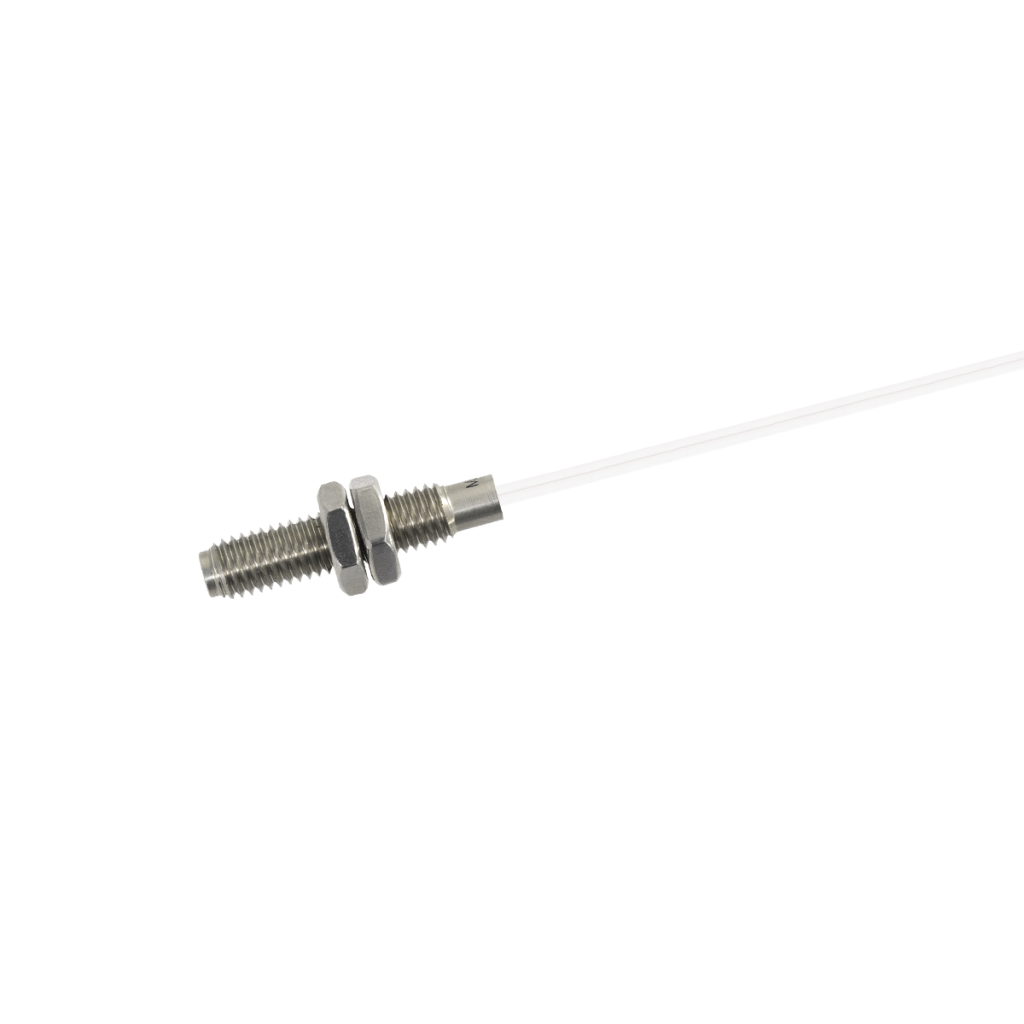
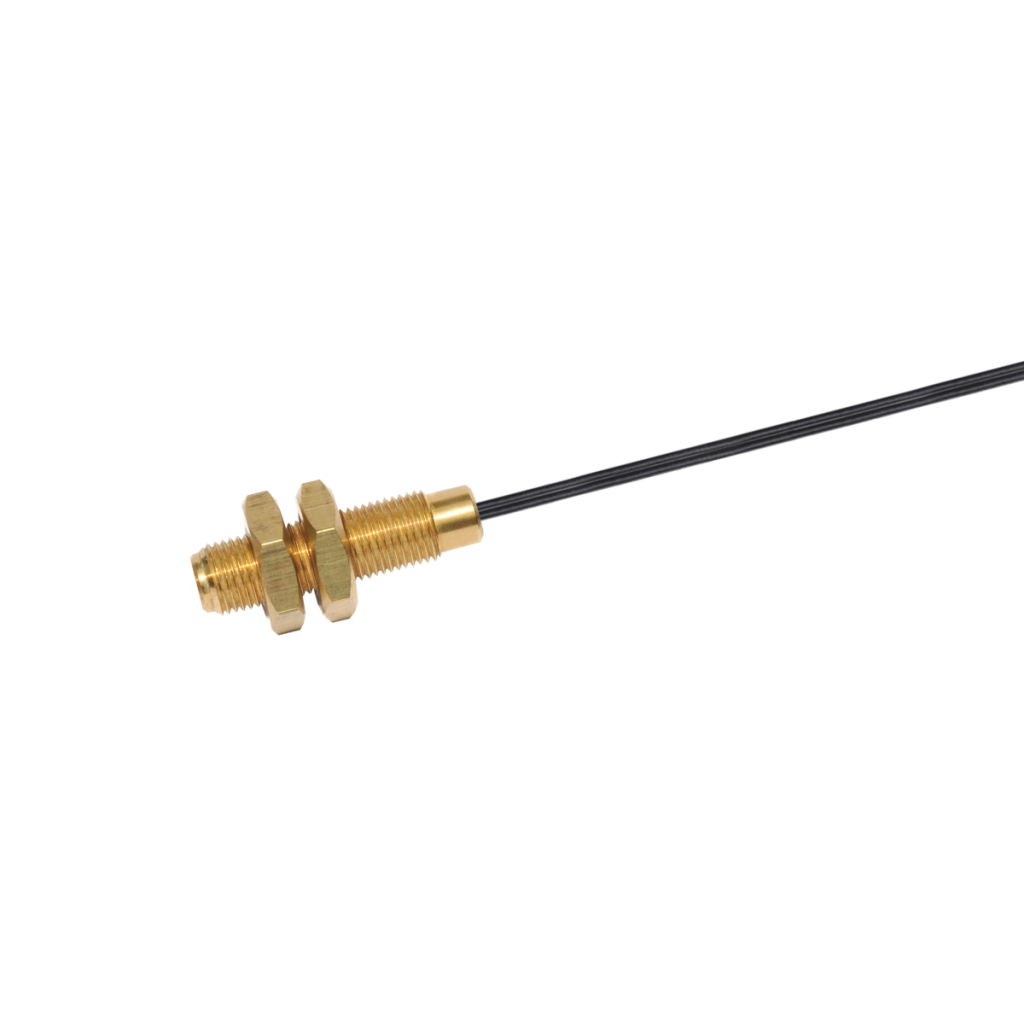
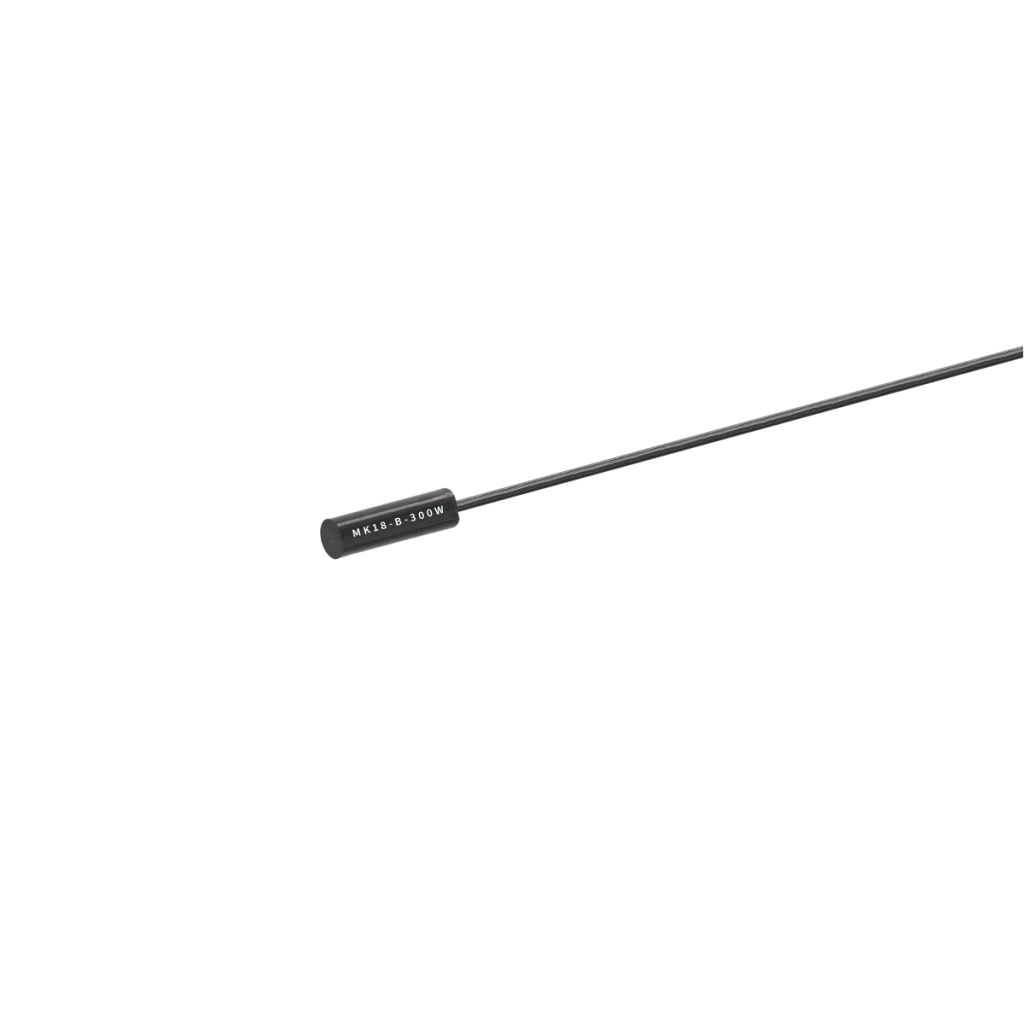
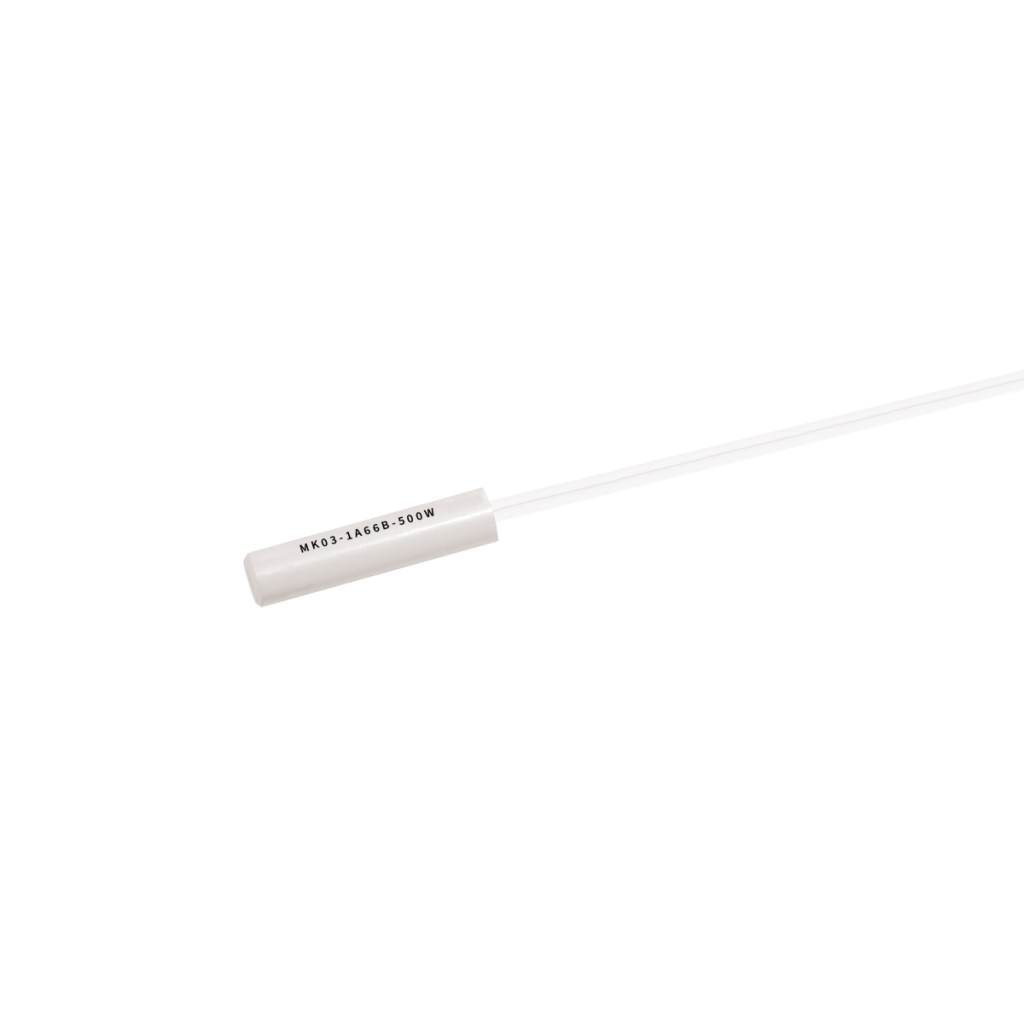
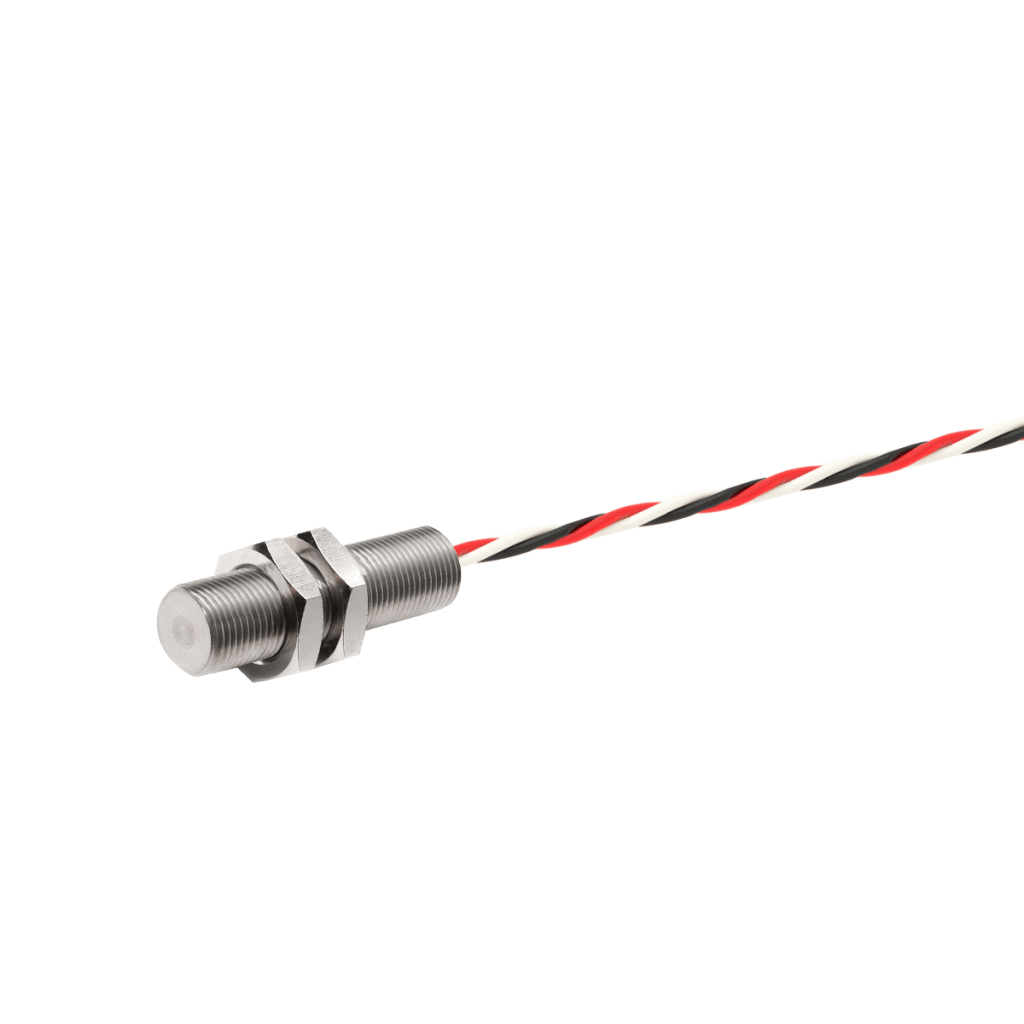
Recessed Reed Sensors MK36/MK37/MK38
Designed for modern industrial motion systems, the MK36, MK37, and MK38 recessed reed sensors offer:
- Compact, installation‑friendly designs
- Long life in high‑cycle applications
- Consistent switching behavior over time
Paired with M36, M37, and M38 mating magnets, they provide a matched sensing solution that helps engineers design for uptime from the start.
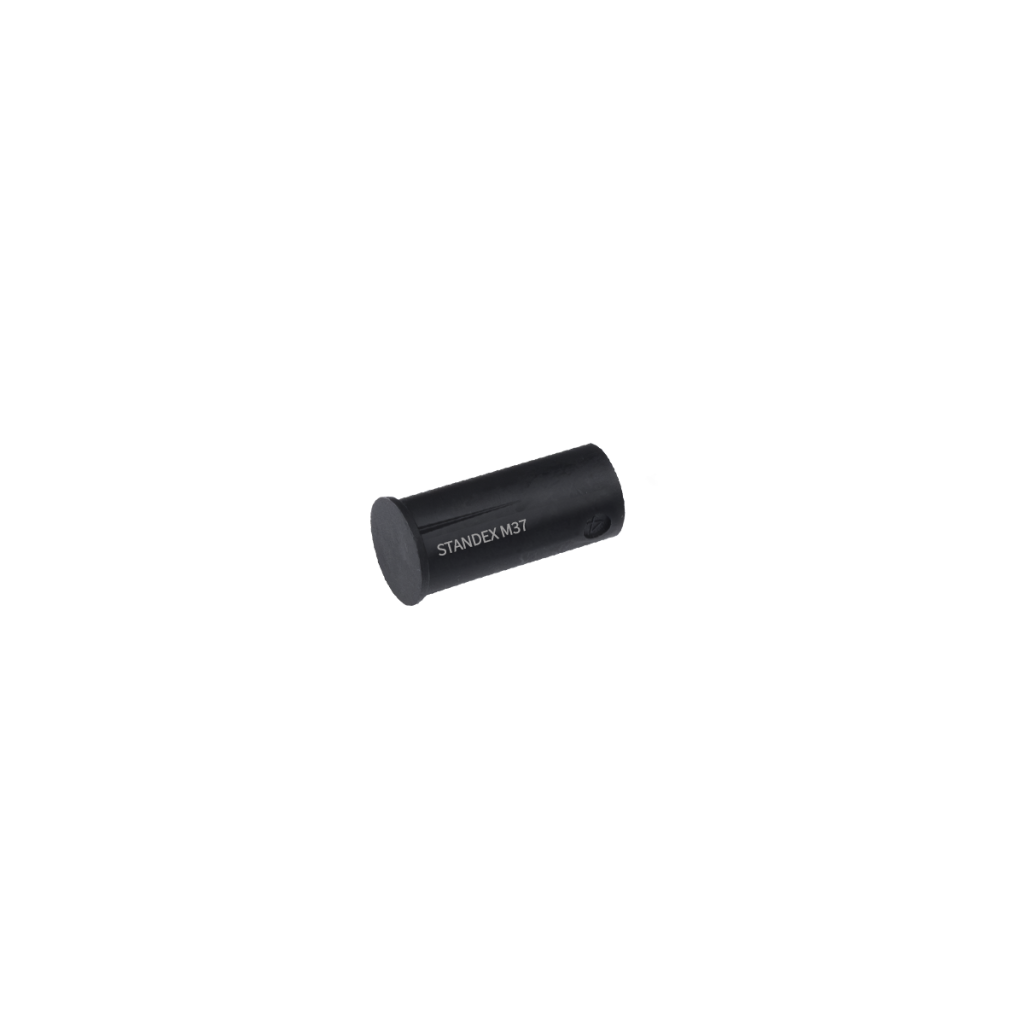
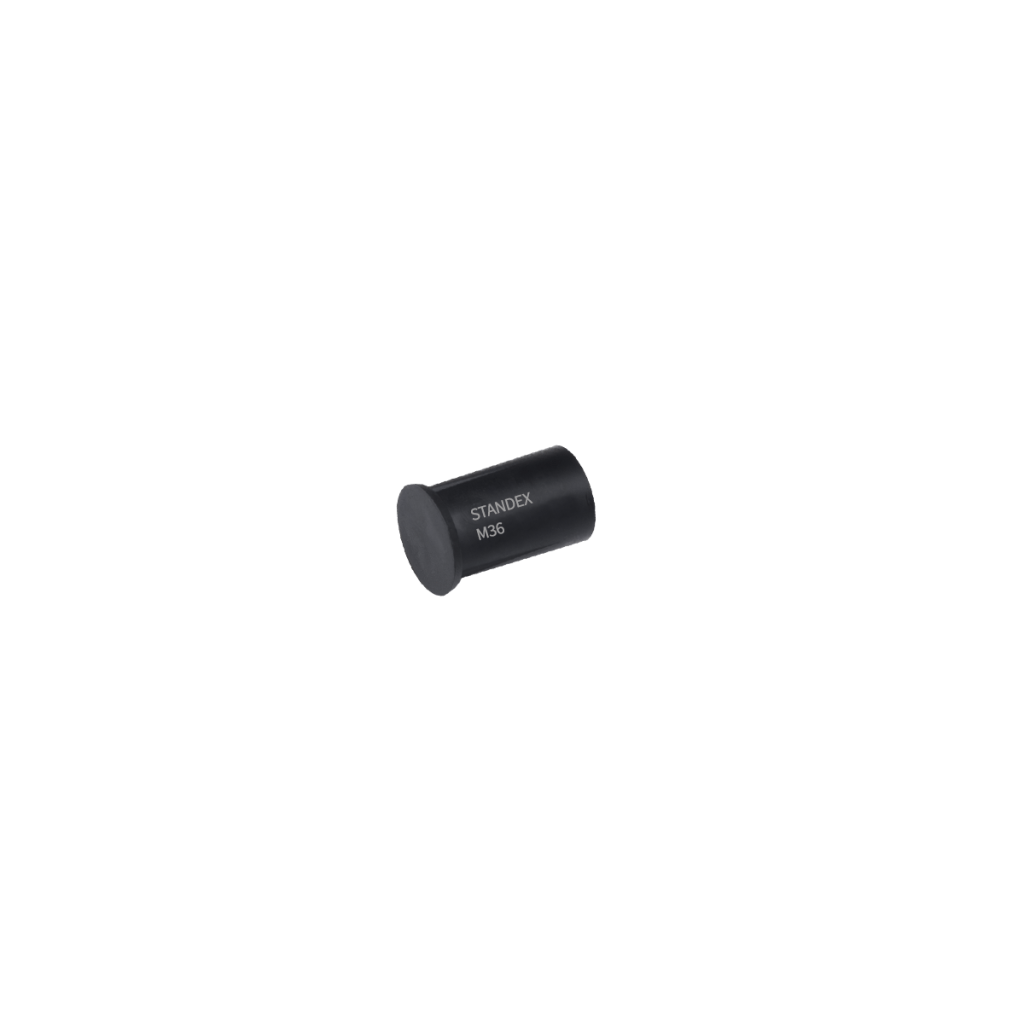
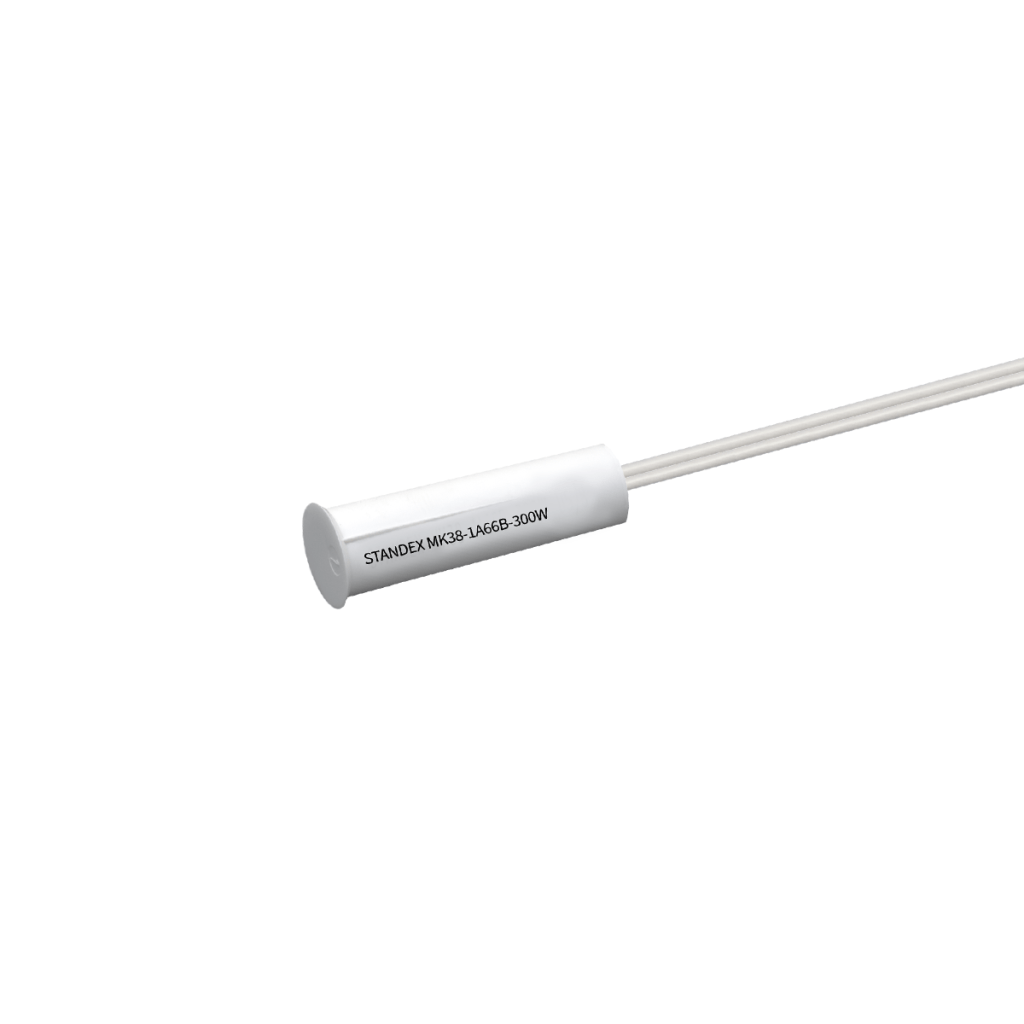
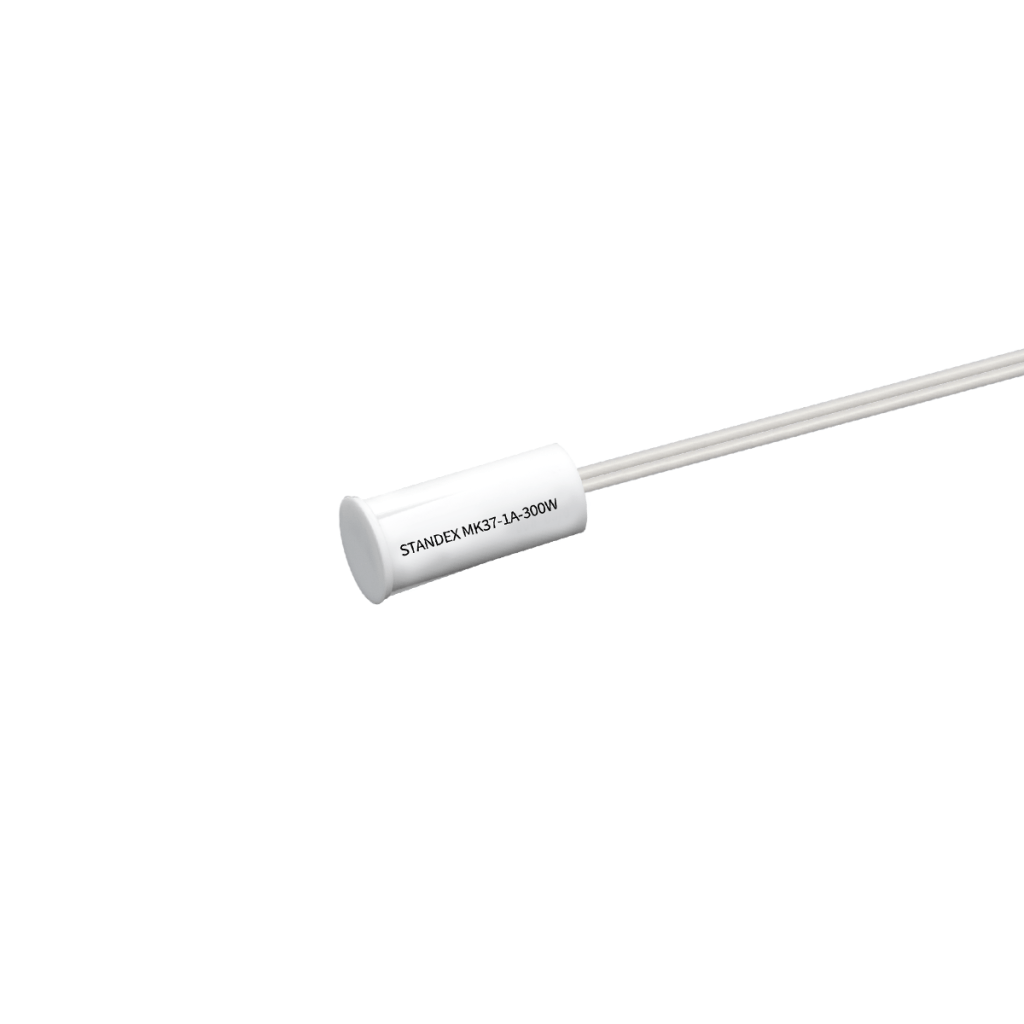
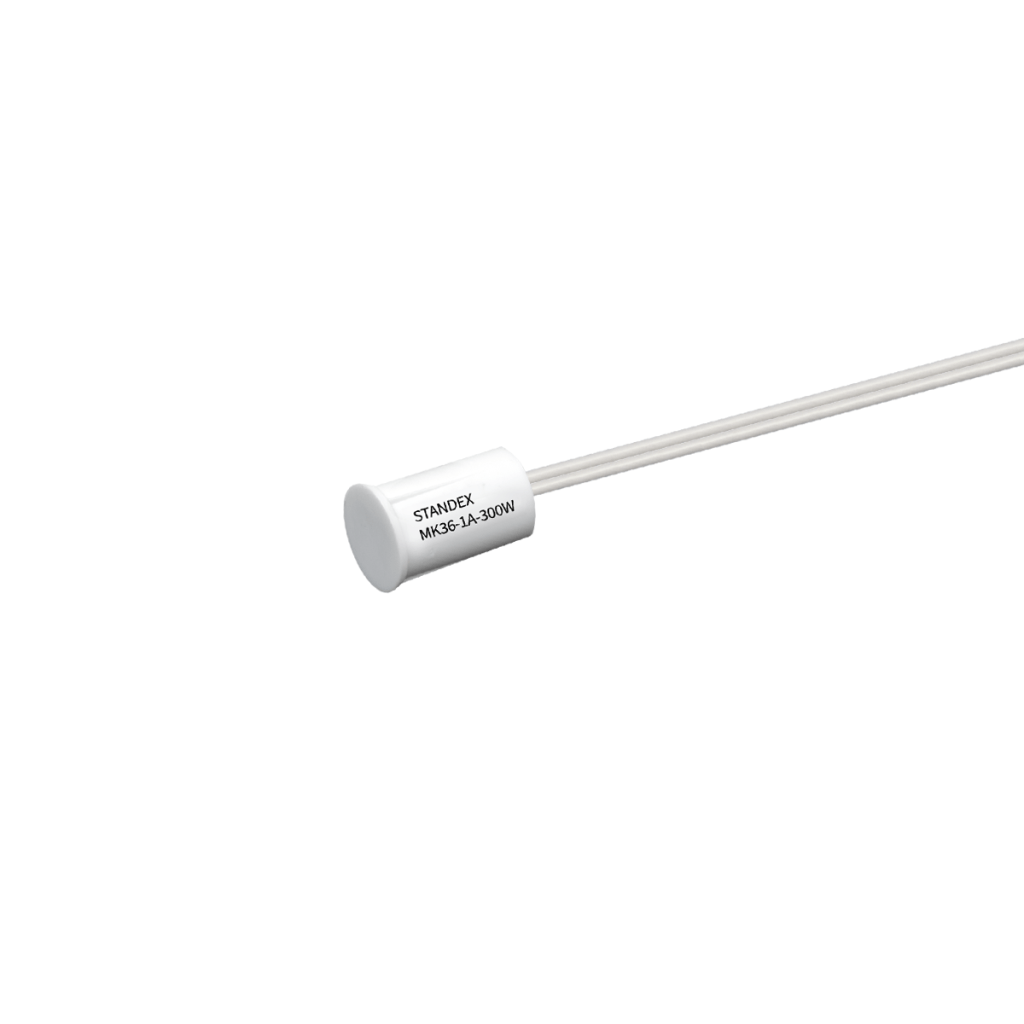
Reed sensors are also well suited for custom assemblies where magnet positioning can be optimized for specific actuation force or travel distance. Reed sensors are also well suited for custom assemblies where magnet positioning can be optimized for specific actuation force or travel distance.
Why engineers specify them
- True isolation: Hermetically sealed contacts eliminate contamination failure modes.
- Zero idle power draw: Ideal for battery-powered mobile platforms and IoT nodes.
- Noncontact Switching: No mechanical actuation or wear points.
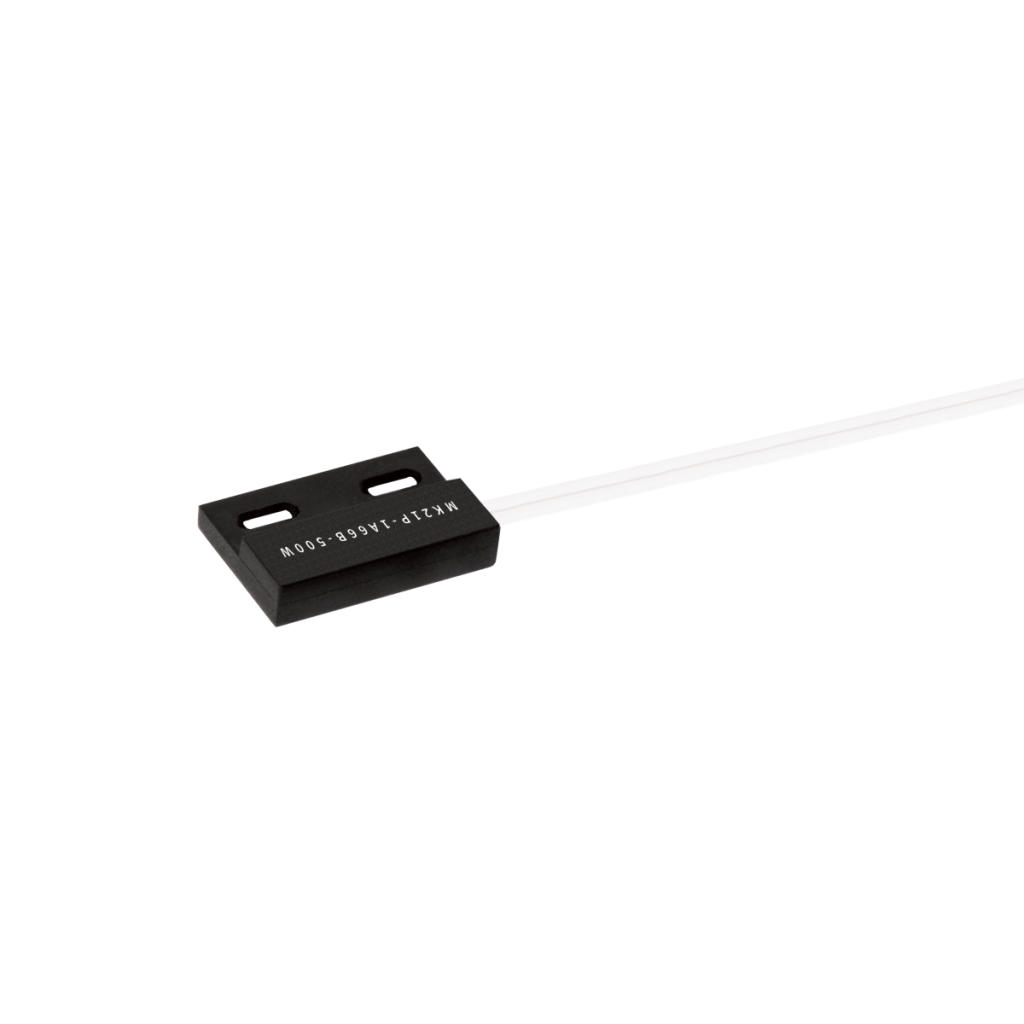
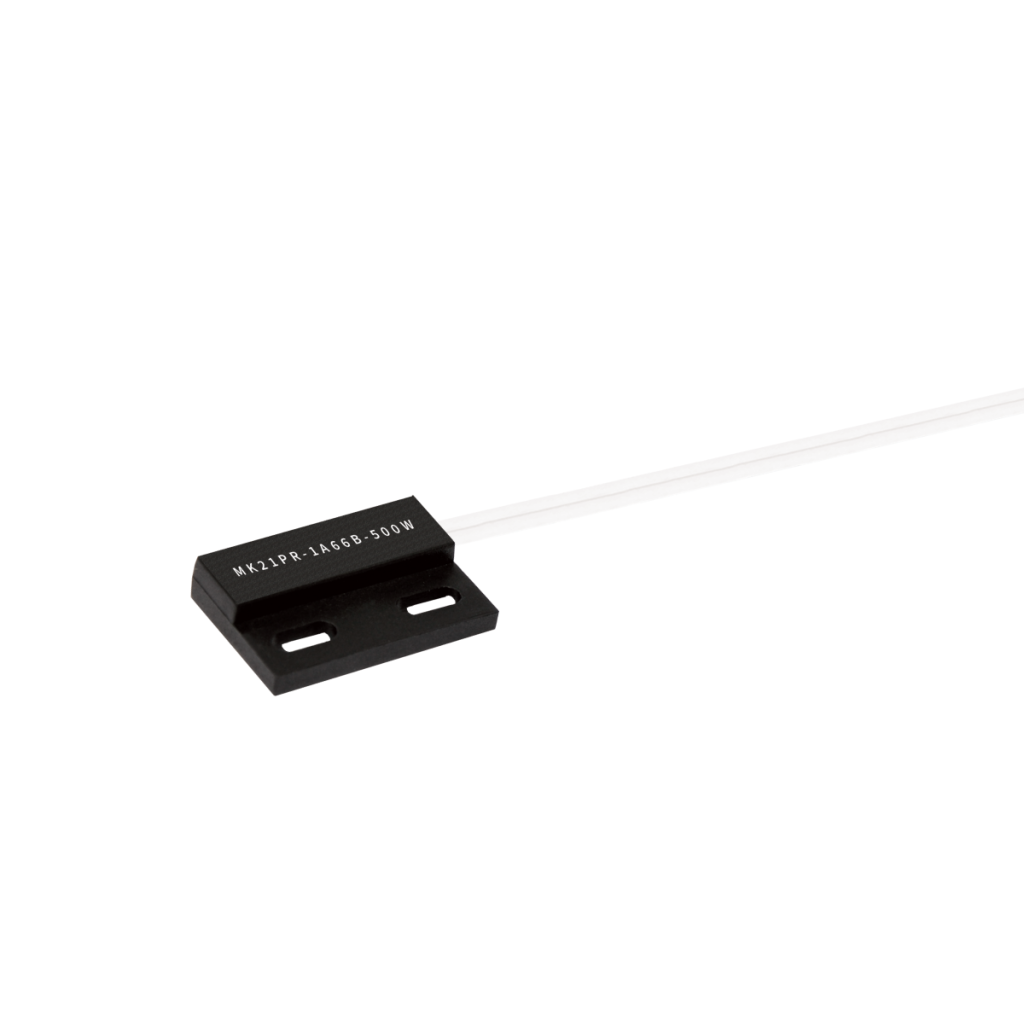
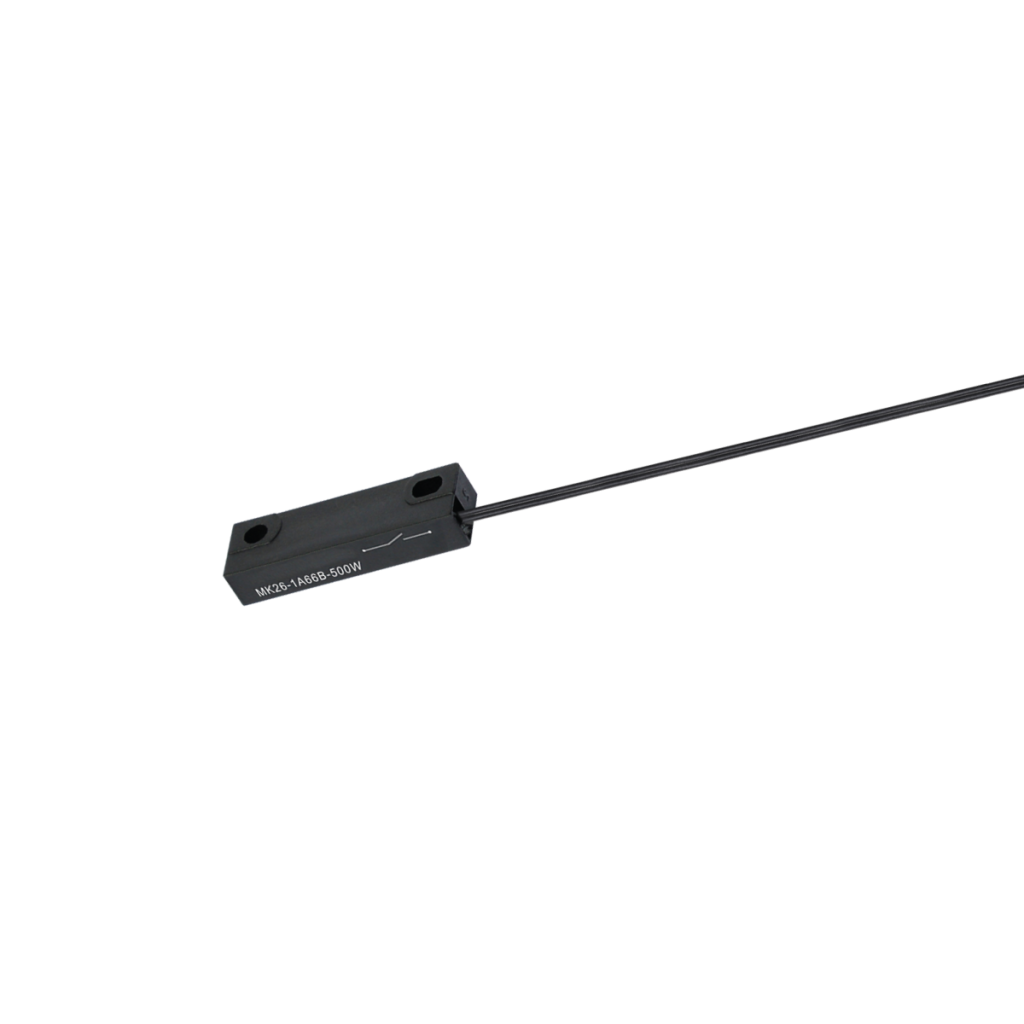

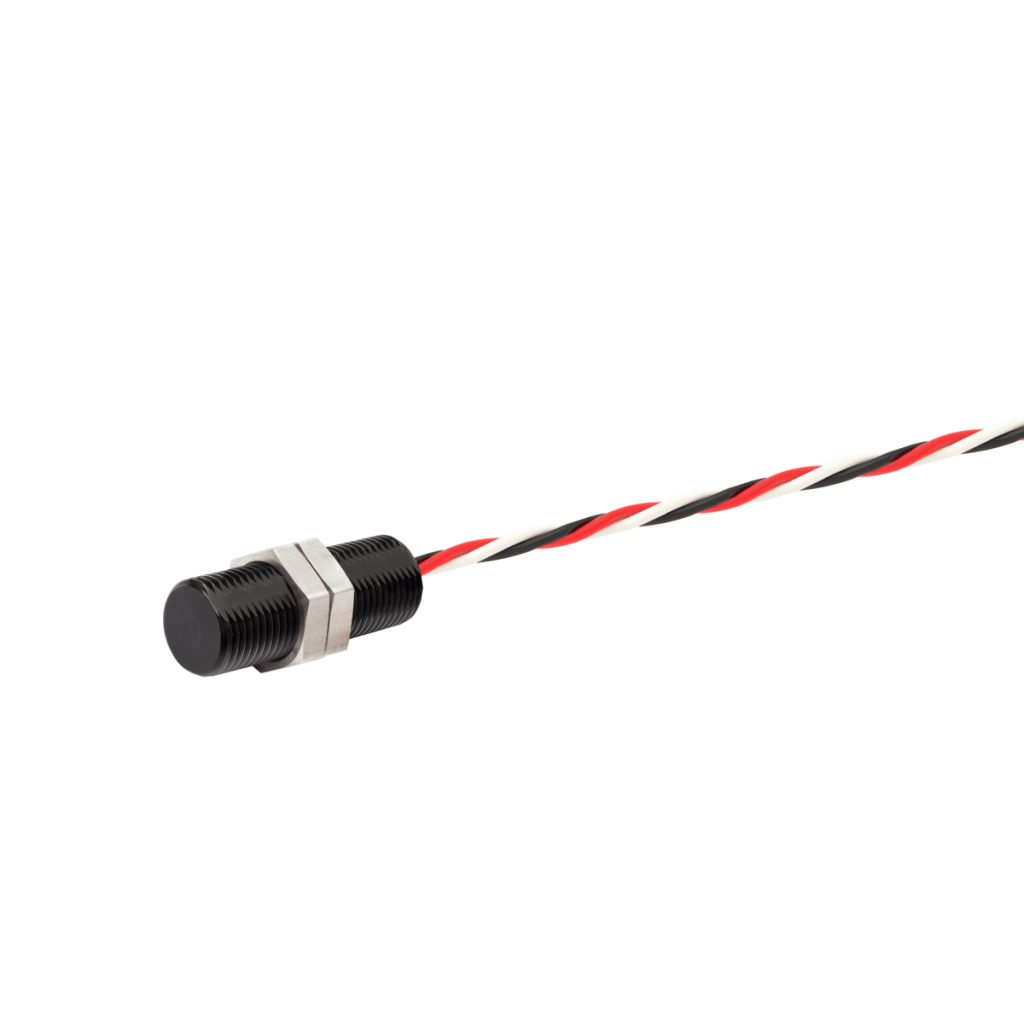
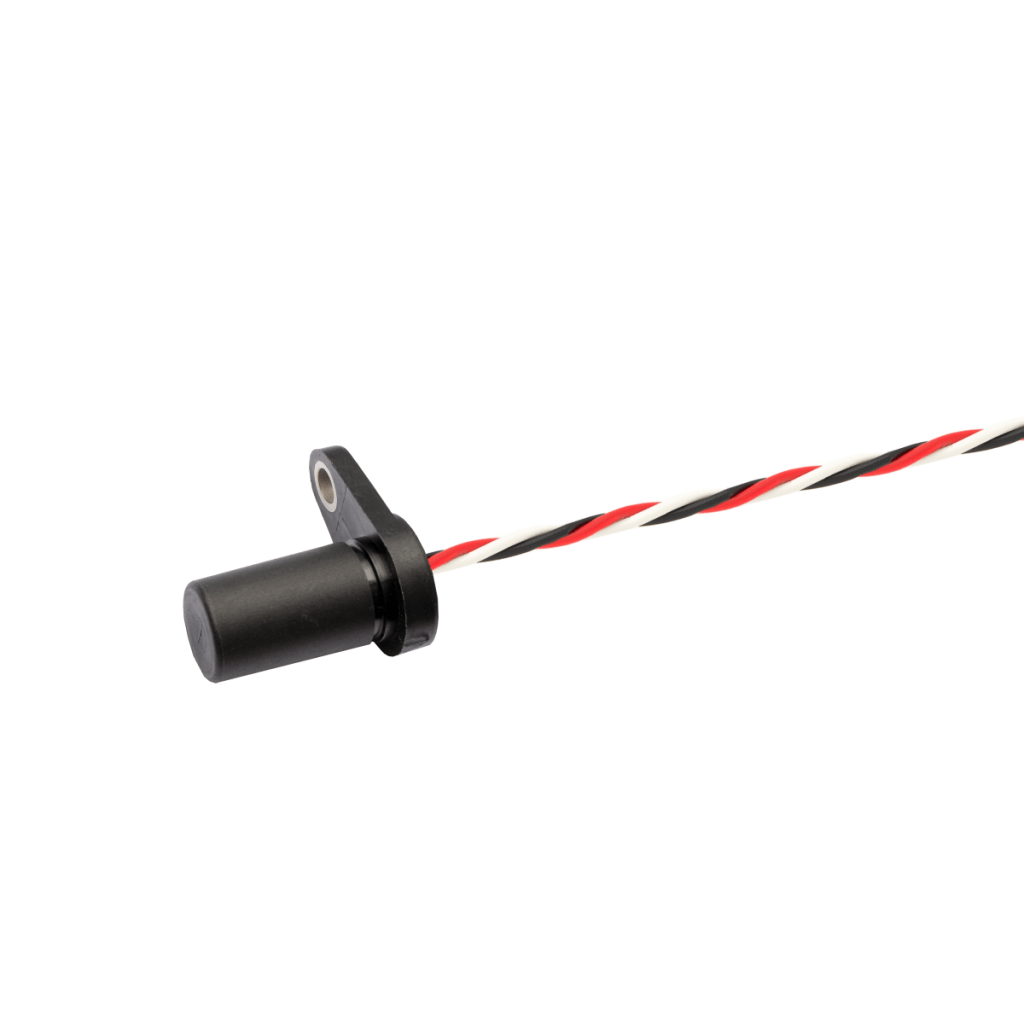
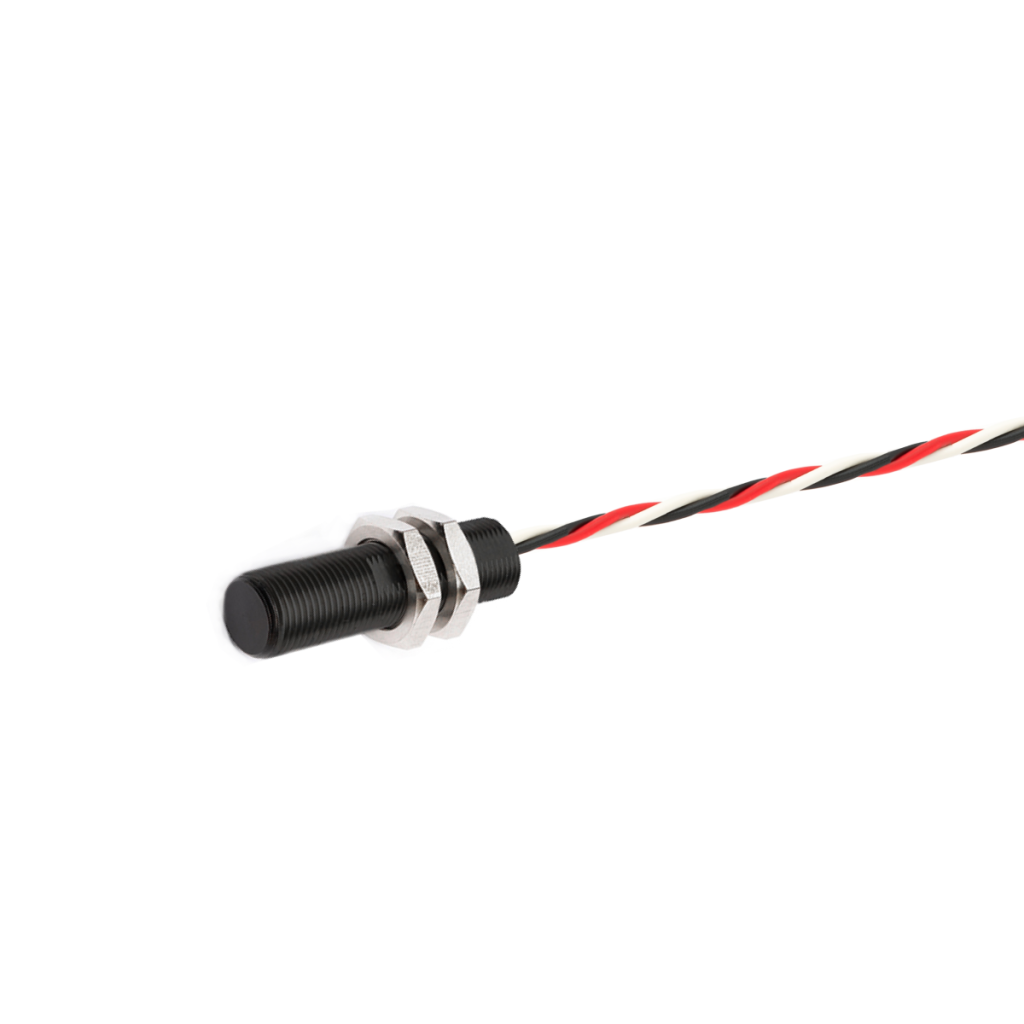
Hall sensors provide solid-state, contactless feedback for speed, position, and angular measurement. Their predictable linearity and fast response time make them indispensable for monitoring components in the drive train, from the engine through the transmission and more.
Hall sensors are often used in redundant configurations in safety-rated systems due to their stable electrical performance over life.
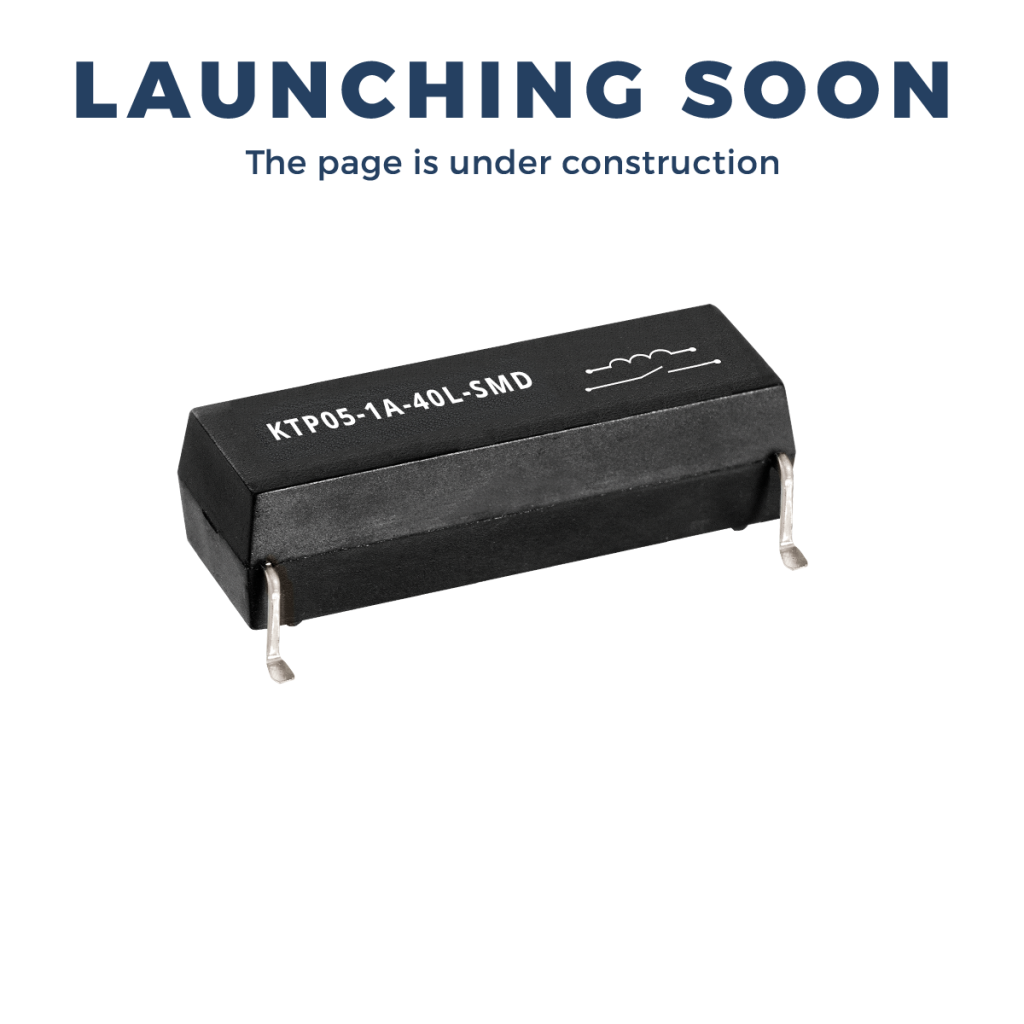
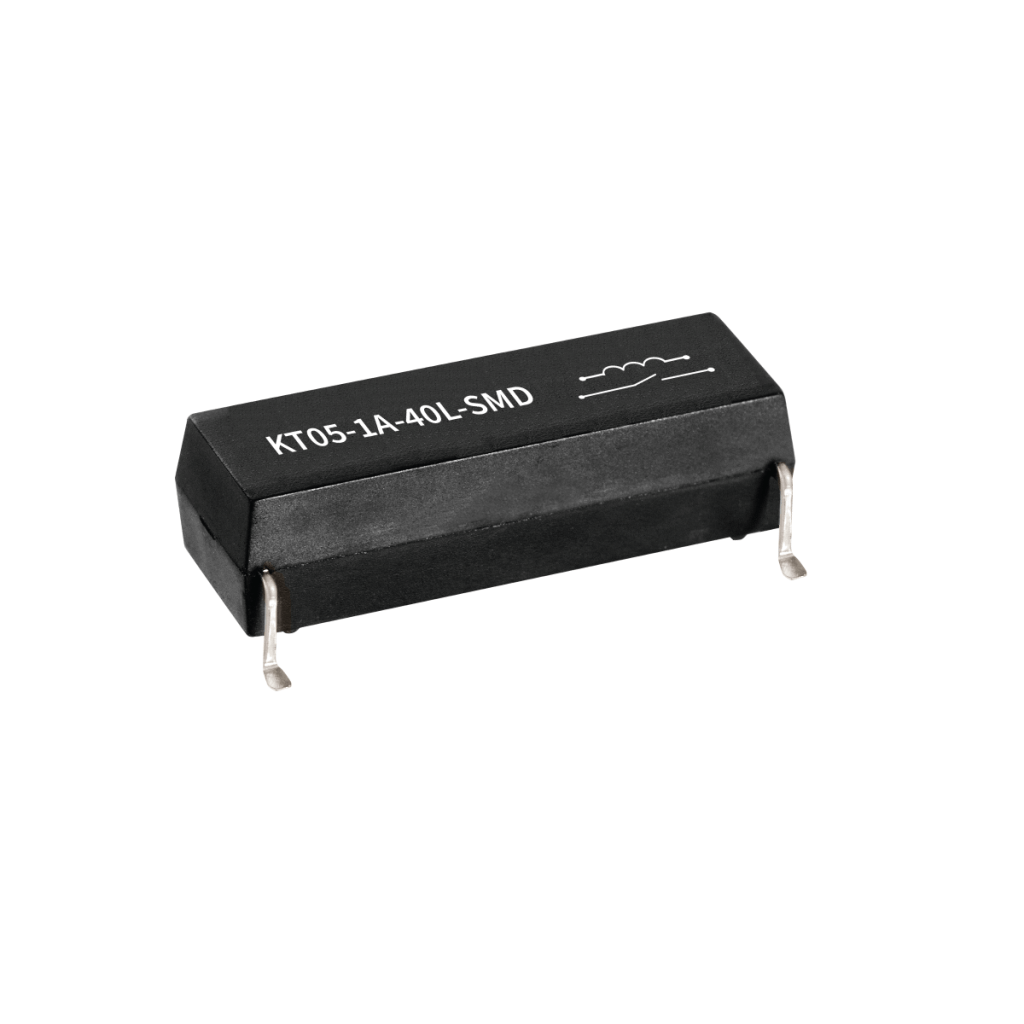
As EV designs continue to prioritize smaller PCB footprints and lower power consumption, reed relay technology is evolving to reduce package size, lower coil power, and maintain high isolation performance. This makes reed relays a future-proof choice for next-generation electric vehicle platforms.
Reed relays align well with key automotive safety standards, including:
- IEC 60664-1
- ISO 6469-3
These standards often require isolation voltages 3–4× higher than nominal system voltage, which reed relays are well equipped to handle.
Jump to: Introduction | Sensing Matters in Modern EVs | Sensing Across Critical EV Systems | Reed or Hall? | Solving Critical EV Sensing Challenges | Why Engineers Choose Reed Technologies | FAQ | Sensors for EV Systems | Partnering for Precision

Partnering for Precision
For When it Matters – The Right Design, at the Right Time, at the Optimal Cost.
Designing reliable EV systems isn’t just about selecting the right sensor, it’s about ensuring long-term performance, safety, and operational reliability across the vehicle platform. From battery management and charging systems to fluid monitoring and safety-critical detection, every sensing decision impacts vehicle efficiency, uptime, and overall system performance.
That’s why engineers partner with Standex Detect, not simply as a sensor supplier, but as a fully integrated engineering and manufacturing partner for precision sensing solutions across EV applications.
End-to-End Design
With complete in‑house control from reed switch fabrication to finished sensor assembly, Standex Detect designs, manufactures, tests, and qualifies sensing solutions entirely within our organization. This vertical integration ensures consistent performance, stable supply, and faster development cycles.
Custom Engineered
While many projects begin with standard products, thousands of applications evolve into custom-engineered sensing solutions. Detection points, packaging, environmental performance, and integration requirements are optimized to meet the unique demands of EV systems.
Global Scale. Application Expertise.
With engineering and manufacturing operations across North America, Europe, and Asia, Standex Detect supports EV programs from prototype through production. Backed by deep materials science expertise and proprietary lifecycle testing, our sensing solutions deliver reliable performance in battery management, charging systems, fluid monitoring, safety functions, and transportation applications.
Co-Engineering Partnership
Standex Detect works directly with your engineering team from concept through validation and production to reduce design risk, optimize sensing performance, and accelerate time to market. The result: precision sensing solutions engineered to support safer, more efficient EV systems, not just components.
Talk to Us About Your EV Application
Whether you’re developing battery management systems, charging infrastructure, safety functions, or fluid-monitoring solutions, Standex Detect can help identify the right sensing technology for your application.
What You Gain:
- Expertise across EV sensing applications
- Engineering support from concept through production
- Proven sensing technologies for harsh environments
- Custom sensing solutions when standard products aren’t enough
- Global manufacturing with supply chain stability
Related Articles
-
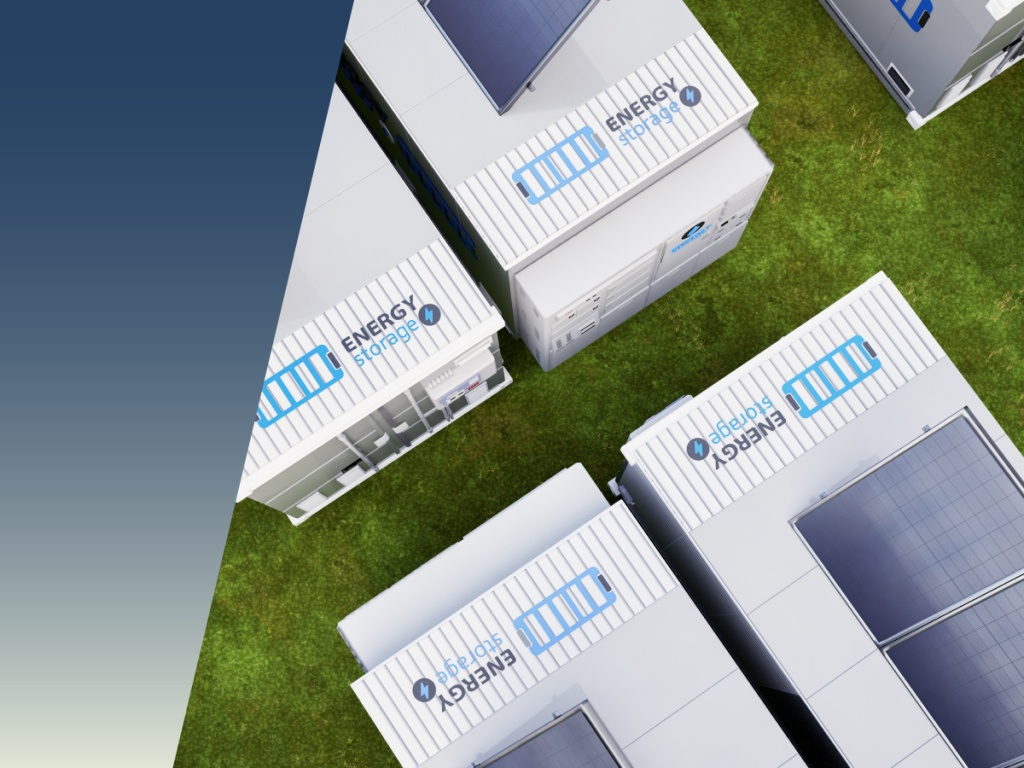
High-Voltage Insulation Monitoring for Next-Generation BESS
Learn how insulation monitoring helps improve safety, reliability, uptime, and asset protection in Battery Energy Storage Systems (BESS). Explore high-voltage monitoring solutions for 1,000–1,500 VDC energy storage applications.
-
When Standard Sensors Aren’t Enough
Real-world applications rarely operate under ideal conditions. Temperature extremes, fluid exposure, vibration, contamination, and limited installation space can all impact sensing performance and long-term reliability. Learn how custom sensor solutions help overcome these challenges and deliver reliable operation in demanding industrial, transportation, EV, agricultural, and energy applications.
-

Designing High-Density Switching Architectures Without Sacrificing Precision
Learn how engineers can increase channel density while managing capacitance, crosstalk, and PCB design constraints in modern semiconductor test systems.
-
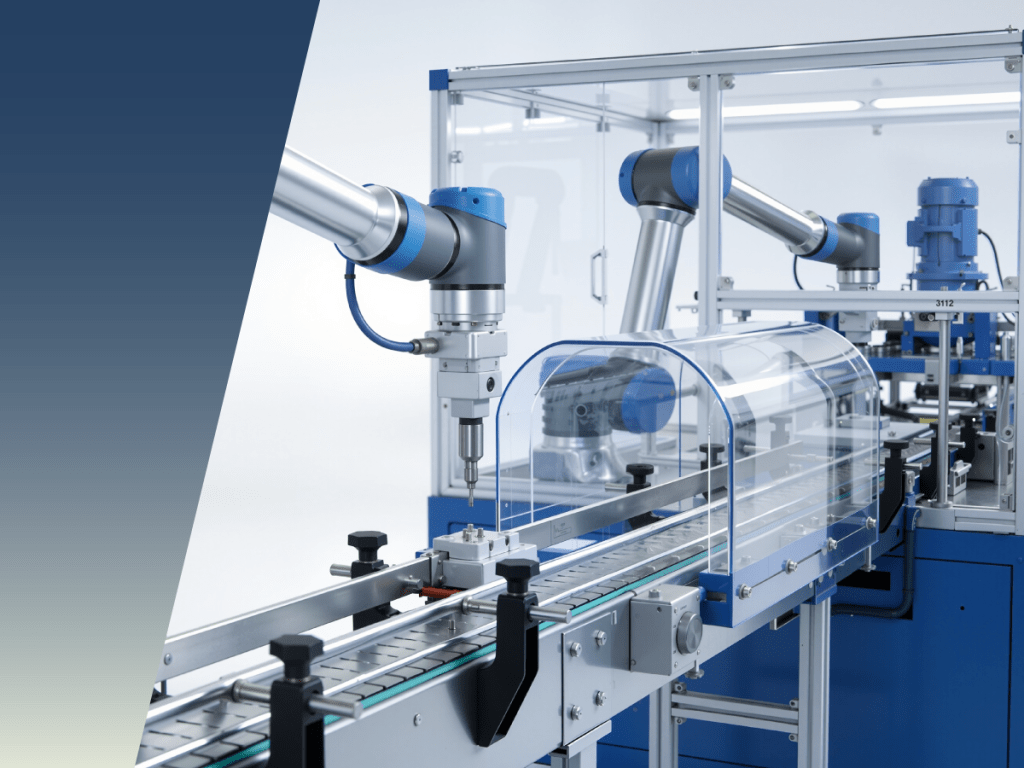
Eliminating Downtime in Motion Systems with Precision Sensing
Learn how precision sensing helps eliminate downtime in industrial motion systems. Explore real‑world applications in automation, high‑power loads, and fluid‑dependent systems and see how reliable sensing improves uptime and system performance.