
Magnet interactions are critical to how reed switches operate in sensing applications. The size, strength, orientation, and placement of a magnet directly affect when and how a reed switch opens or closes. Understanding these basic principles helps engineers design more reliable, efficient, and repeatable magnetic sensing systems across industrial, automotive, and consumer applications.
Key Takeaways: Magnet Interactions and Reed Switches
- Magnet size and strength directly affect switching distance
- Orientation determines whether one or multiple switch operations occur
- Proper placement improves consistency and reduces false activation
- Reed switches operate with zero power when contacts are open
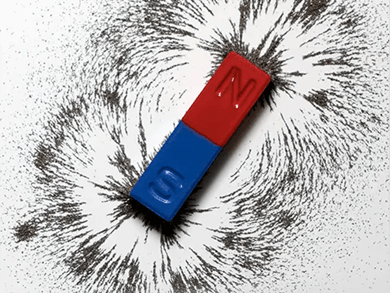
Principles of magnet interactions play an important role in the activation of the reed switches opening and closing.
If there are particular areas you need help with, feel free to skip to any of the following sections:
- The Basic Principles of Magnet Interactions
- Magnet Selection Considerations
- Magnet Orientation and Placement
- How Interaction Impacts Function
- Conclusion
The Basic Principles of Magnet Interactions
How a Magnet Activates a Reed Switch
Sensing functions typically use a reed switch and a magnet for actuation. The magnet activates the reed switch to open and close when in proximity of the reed switch.
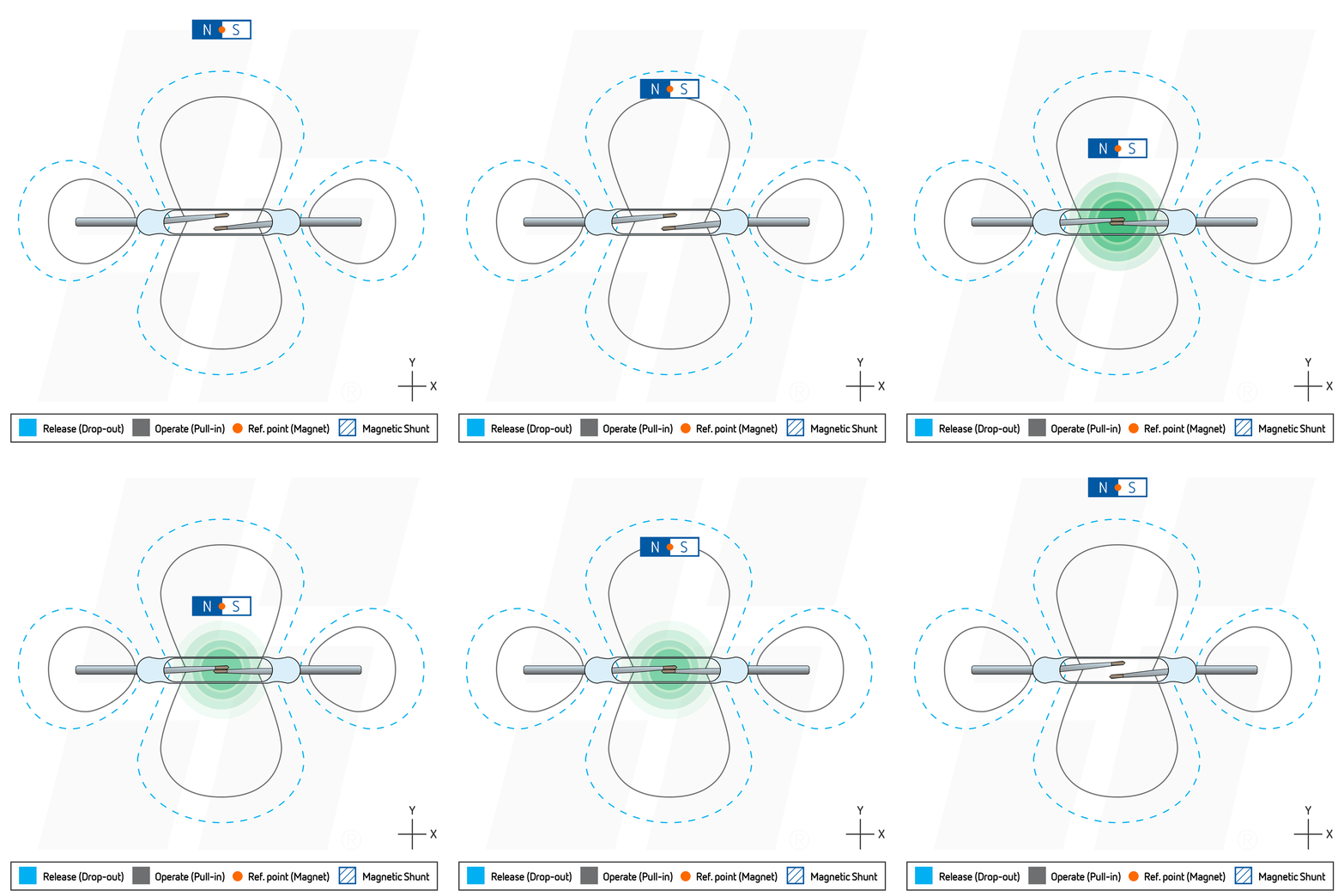
When a magnet moves near a reed switch, two key effects occur. First, magnetic lobes are formed. Depending on the magnet’s orientation, either two or three lobes influence the reed switch contacts.
Second, the magnet puts off magnetic lines of flux causing the reed switch to then react by closing the contacts. When the contacts are open, no power is drawn. So reed switches can operate reliably over billions of operations.
Magnetic Lobes and Flux Lines Explained
The permanent magnet’s parallel position influences the center magnetic switch lobes. Positioning the magnet further away from the reed switch will focus on the center lobes and produce a single open and closure as the permanent magnet moves parallel to the plane of the reed switch.
Magnet Selection Considerations
Reed switch and magnet interaction are a duo that can be used across many different applications. The magnet used will be different, depending on the specific application. There are multiple magnet specifications available on the market.
Magnet Size, Strength, and Material
Magnet specifications such as material makeup, dimensions, and geometries will all determine the environment it can be used in. Each different kind of magnet material has a different magnet force makeup as well as a different flux density.
Common Magnet Shapes Used in Sensors
Furthermore, other factors like mounting position and other magnetic fields involved define the energy of the magnet. The most preferred and used forms of magnets are cylinders, rectangles, rings, and discs. Although, all magnets work similarly no matter the shape or size.
Magnetization Directions and Effects
Finally, a magnet can be magnetized for use in various ways as needed. Even though some functioning specifications that depend on the chosen magnet may change, the overall function of the magnet with the reed switch never really changes. A successful sensor application requires a few considerations. For example, the environmental temperature needs to be considered. High temperatures can cause irreversible damage and will have a heavy impact on the magnetic force and long-term stability.
Magnet Orientation and Placement
Magnet placement in the application is an important consideration. This will play a huge role in the overall function of how the reed switch will work.
Parallel vs. Perpendicular Magnet Motion
This reed switch actuation example uses a normally open switch and 2-pole bar style permanent magnet. The magnet is positioned perpendicular to the reed switch. The magnet moves parallel, along the X axis influencing both outer magnetic lobes, resulting in multiple switch operations.
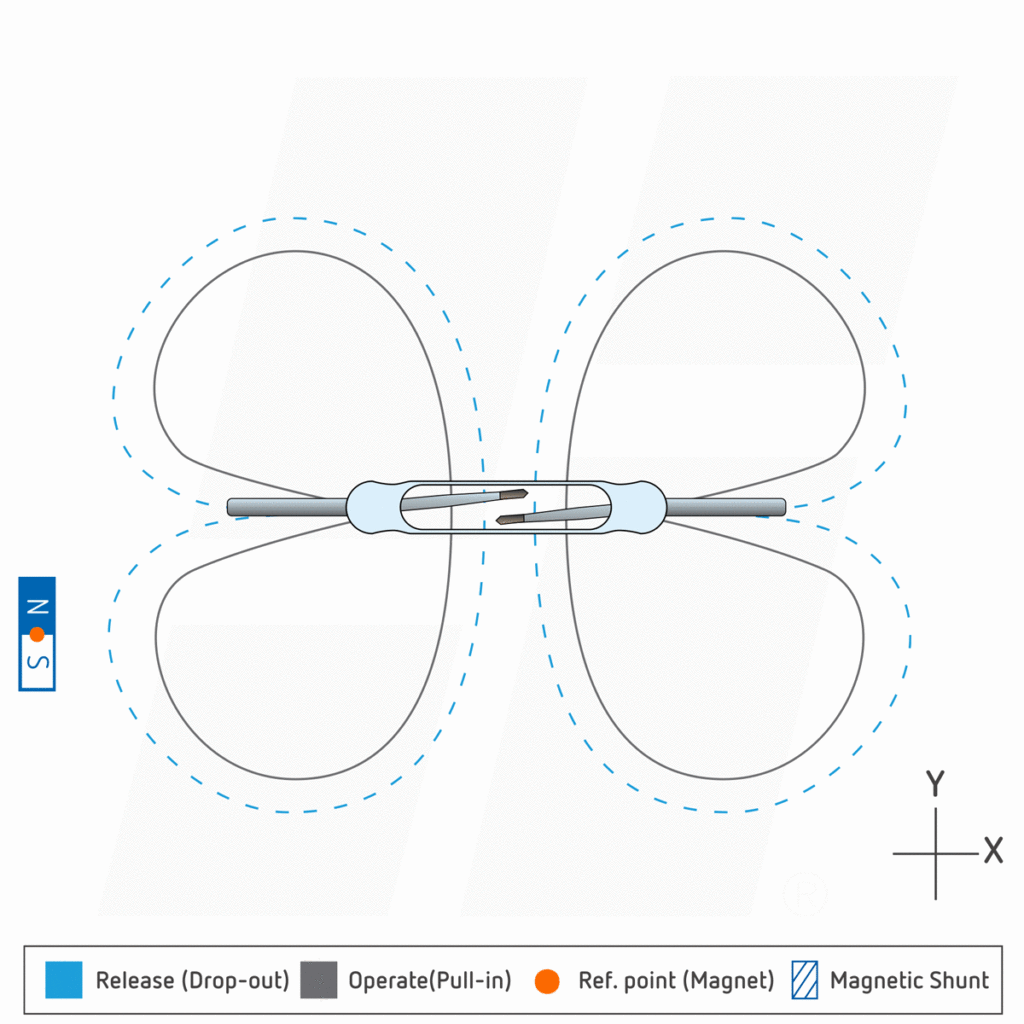
For more animated examples of reed switch and magnet actuation go to our magnet interaction page
How Interaction Impacts Function
A few factors influence the reed switch and magnet interaction starting with the type, size, and strength of the magnet and followed by the magnetic orientation and location relative to the reed switch. They play an important role in the activation of the reed switches opening and closing.
In addition to that, the size of the lobes of magnetic sensitivity rays from the reed switch will vary depending on the strength of the magnet and the sensitivity of the reed switch. Proper orientation of the magnet with the reed switch is also important to consider when meeting the application requirements across the board.
Conclusion
Understanding the basic principles of magnet interactions is essential for designing reliable reed switch sensing solutions. Magnet size, strength, orientation, and placement all directly influence switch activation, repeatability, and overall system performance. When these factors are properly aligned, reed switch sensors can operate with exceptional reliability while drawing no power when contacts are open.
By carefully selecting and positioning the magnet for the application, engineers can achieve consistent switching behavior across a wide range of environments and use cases. At Standex Detect, we work closely with customers to apply these principles and deliver engineered sensing solutions that meet demanding performance requirements. Contact our team to learn how we can support your next magnetic sensing application.
Related Articles
-

Where System Performance Meets Switching Design
Discover how relay characteristics influence signal integrity, measurement accuracy, and overall system performance. Learn why the switching path should be considered part of the measurement architecture.
-

High-Voltage Insulation Monitoring for Next-Generation BESS
Learn how insulation monitoring helps improve safety, reliability, uptime, and asset protection in Battery Energy Storage Systems (BESS). Explore high-voltage monitoring solutions for 1,000–1,500 VDC energy storage applications.
-

When Standard Sensors Aren’t Enough
Real-world applications rarely operate under ideal conditions. Temperature extremes, fluid exposure, vibration, contamination, and limited installation space can all impact sensing performance and long-term reliability. Learn how custom sensor solutions help overcome these challenges and deliver reliable operation in demanding industrial, transportation, EV, agricultural, and energy applications.
-
Reliable Sensing for Safer, More Efficient EV Systems
Learn how reliable sensing supports safer, more efficient EV systems. Explore applications in battery management, charging systems, fluid monitoring, and safety detection and discover how advanced sensing technologies help improve performance, reliability, and operational safety.
-

Designing High-Density Switching Architectures Without Sacrificing Precision
Learn how engineers can increase channel density while managing capacitance, crosstalk, and PCB design constraints in modern semiconductor test systems.