
Electric and hybrid vehicles operate at increasingly high voltages typically 400 to 800 VDC which raises new challenges for isolation measurement, safety, and long-term reliability. Selecting the right switching component is critical. Reed relays have emerged as a proven solution for high-voltage isolation monitoring in Battery Management Systems (BMS) and onboard chargers. This article explains…
If there are particular areas you need help with, feel free to skip to any of the following sections:
- Why Reed Relays Are Ideal for High-Voltage Isolation Measurement in Electric Vehicles
- The Challenge: High-Voltage Isolation in Electric Vehicles
- Why Reed Relays Are Used for EV Isolation Measurement
- Performance Advantages for Electric Vehicle Applications
- Where Reed Relays Are Used in EV Architecture
- Compliance with Automotive Safety Standards
- Reed Relays vs. Alternative Technologies
- Small Size, Big Performance
- Key Takeaway for Engineers
Why Reed Relays Are Ideal for High-Voltage Isolation Measurement in Electric Vehicles
Electric and hybrid vehicles operate at increasingly high voltages typically 400 to 800 VDC which raises new challenges for isolation measurement, safety, and long-term reliability. Selecting the right switching component is critical.
Reed relays have emerged as a proven solution for high-voltage isolation monitoring in Battery Management Systems (BMS) and onboard chargers. This article explains why reed relays are exceptionally well suited for e-car applications and how they solve real-world engineering challenges.
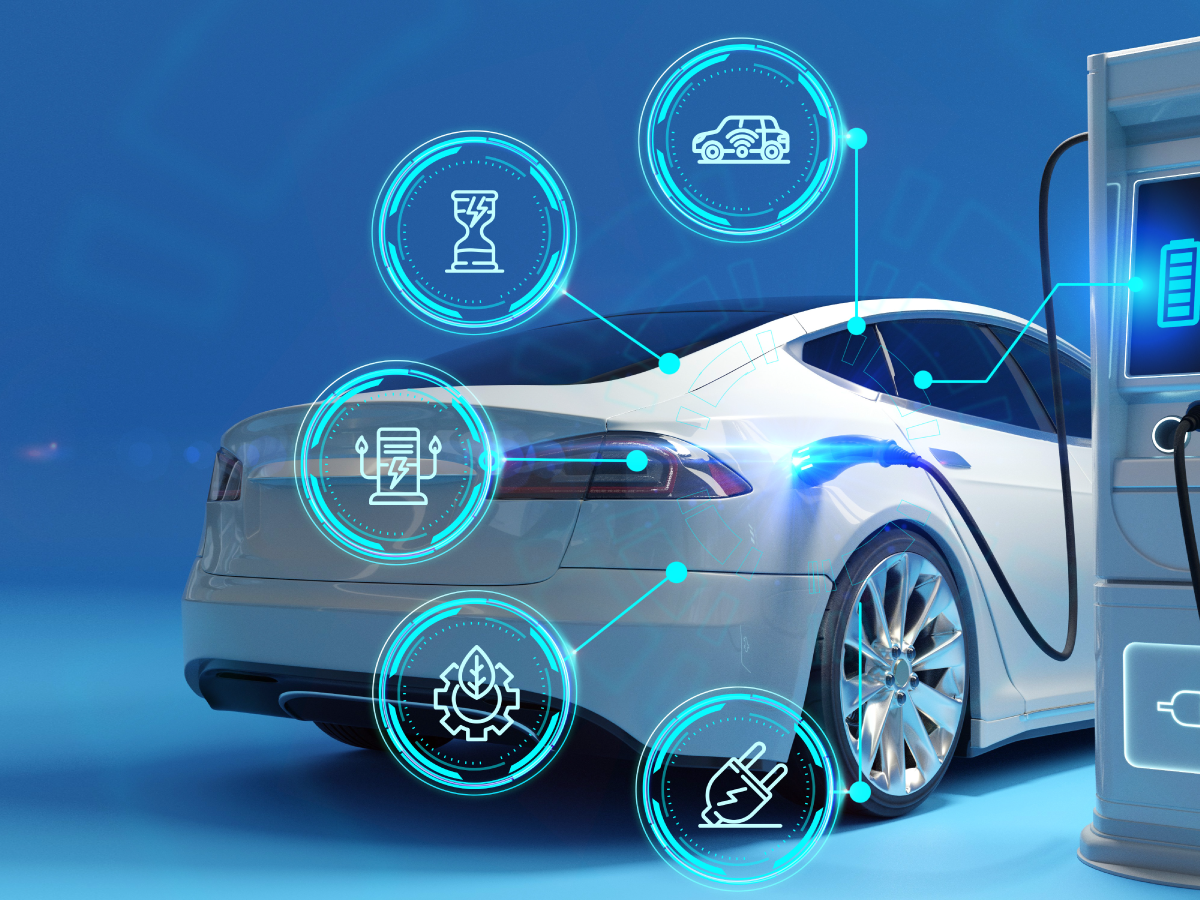
While different
components can
be used for
isolation measurement,
reed relays
are suited
exceptionally well
for this kind of
functionality.
Jump to: The High-Voltage Isolation Challenge | Why Reed Relays | Advantages for EV Applications | Where Reed Relays Are Used | Automotive Safety Standards | Reed Relays vs. Alternative Technologies | Small Size, Big Performance | Key Takeaway for Engineers
The Challenge: High-Voltage Isolation in Electric Vehicles
Electric vehicles contain multiple high-voltage subsystems that must remain electrically isolated from the chassis, including:
- High-voltage battery packs
- DC-DC converters
- Traction inverters
- Onboard chargers connected to the power grid
Without reliable isolation measurement, leakage currents can create safety risks, false faults, or system shutdowns.
Why Isolation Measurement Matters
Over time, isolation resistance can degrade due to:
- Moisture ingress
- Dirt and contaminants
- Thermal cycling
- Mechanical stress
Without continuous monitoring, isolation failure can lead to unsafe touch voltages, system faults, or vehicle shutdowns. This makes reliable, low-leakage switching components essential for isolation measurement circuits.
Learn how to design with high-voltage reed relays
Jump to: The High-Voltage Isolation Challenge | Why Reed Relays | Advantages for EV Applications | Where Reed Relays Are Used | Automotive Safety Standards | Reed Relays vs. Alternative Technologies | Small Size, Big Performance | Key Takeaway for Engineers
Why Reed Relays Are Used for EV Isolation Measurement
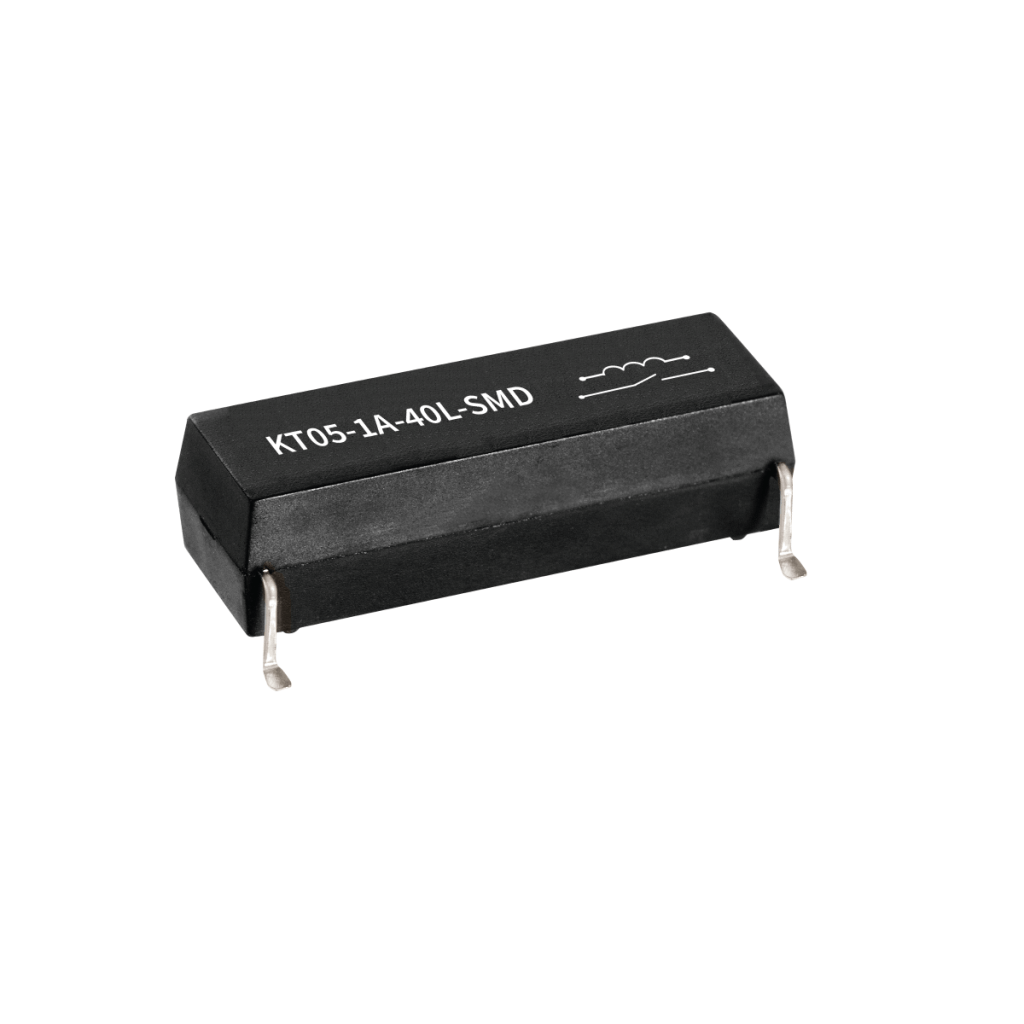
Reed relays combine high isolation voltage, ultra-low leakage current, and long operational life, making them well suited for electric vehicle isolation measurement circuits.
Key Electrical Advantages
- Isolation voltages up to 10 kVDC
- Breakdown voltage up to 4.5 kV
- Leakage current in the picoampere range
- Contact resistance in the milliohm range
How Reed Relays Work (and Why It Matters)
A reed relay consists of:
- A hermetically sealed reed switch with magnetically soft alloy contacts
- An inert gas or vacuum-filled glass capsule to prevent oxidation
- A copper coil that magnetically actuates the contacts
- A sealed housing for mechanical and environmental protection
Engineering Benefits of This Construction
- No exposed contacts → no contamination or corrosion
- No mechanical wear mechanisms → long service life
- Stable contact resistance → consistent measurement accuracy
Compared to traditional electromechanical relays, reed relays eliminate many common failure modes caused by debris, oxidation, and mechanical fatigue.
Jump to: The High-Voltage Isolation Challenge | Why Reed Relays | Advantages for EV Applications | Where Reed Relays Are Used | Automotive Safety Standards | Reed Relays vs. Alternative Technologies | Small Size, Big Performance | Key Takeaway for Engineers
Performance Advantages for Electric Vehicle Applications
High Isolation Voltage
- Switch voltages from 0 to 10 kVDC
- Up to 4.5 kV breakdown voltage across open contacts
- Suitable for EV systems operating at 400–800 VDC
Ultra-Low Leakage Current
- Insulation resistance supports picoampere-level leakage
- Enables accurate isolation measurement without skewing results
Temperature and Environmental Robustness
- Operating range: –40°C to +105°C ambient
- Internal temperatures up to 125°C
- Resistant to:
- Humidity
- Oil and grease
- Dirt and water
- Vibration and shock
Fast, Reliable Switching
- Switching times as fast as 1 ms
- Millions of operations depending on load
- Stable capacitance and temperature-independent behavior
Learn how to design with high-voltage reed relays
Jump to: The High-Voltage Isolation Challenge | Why Reed Relays | Advantages for EV Applications | Where Reed Relays Are Used | Automotive Safety Standards | Reed Relays vs. Alternative Technologies | Small Size, Big Performance | Key Takeaway for Engineers
Where Reed Relays Are Used in EV Architecture
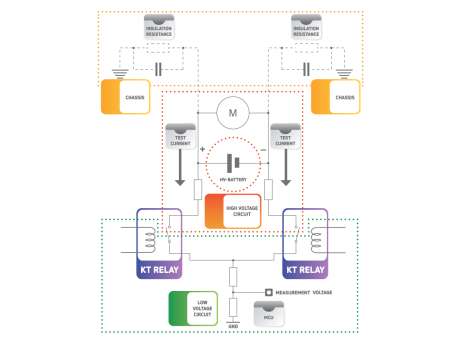
Reed relays are typically used in:
- Battery Management Systems (BMS)
- Onboard Chargers
In isolation measurement circuits, the relay:
- Electrically isolates high-voltage and low-voltage domains
- Allows controlled sampling of battery poles
- Enables accurate evaluation of battery health
Because contact resistance is extremely low, measurement accuracy is preserved.
Learn how to design with high-voltage reed relays
Jump to: The High-Voltage Isolation Challenge | Why Reed Relays | Advantages for EV Applications | Where Reed Relays Are Used | Automotive Safety Standards | Reed Relays vs. Alternative Technologies | Small Size, Big Performance | Key Takeaway for Engineers
Compliance with Automotive Safety Standards
Reed relays align well with key automotive standards, including:
- IEC 60664-1
- ISO 6469-3
These standards often require isolation voltages 3–4× higher than nominal system voltage, which reed relays are well equipped to handle.
Jump to: The High-Voltage Isolation Challenge | Why Reed Relays | Advantages for EV Applications | Where Reed Relays Are Used | Automotive Safety Standards | Reed Relays vs. Alternative Technologies | Small Size, Big Performance | Key Takeaway for Engineers
Reed Relays vs. Alternative Technologies
| Attribute | Reed Relays | Semiconductors | Electromechanical Relays |
|---|---|---|---|
| Leakage current | Picoamp range | Temp-dependent | Higher |
| Isolation voltage | Very high | Limited | Moderate |
| Lifetime stability | Excellent | Aging effects | Wear-prone |
| Environmental sealing | Hermetic | Sensitive | Limited |
| Measurement accuracy | High | Nonlinear capacitance | Variable |
Jump to: The High-Voltage Isolation Challenge | Why Reed Relays | Advantages for EV Applications | Where Reed Relays Are Used | Automotive Safety Standards | Reed Relays vs. Alternative Technologies | Small Size, Big Performance | Key Takeaway for Engineers
Small Size, Big Performance
As EV designs continue to prioritize smaller PCB footprints and lower power consumption, reed relay technology is evolving to:
- Reduce package size
- Lower coil power
- Maintain high isolation performance
This makes reed relays a future-proof choice for next-generation electric vehicle platforms.
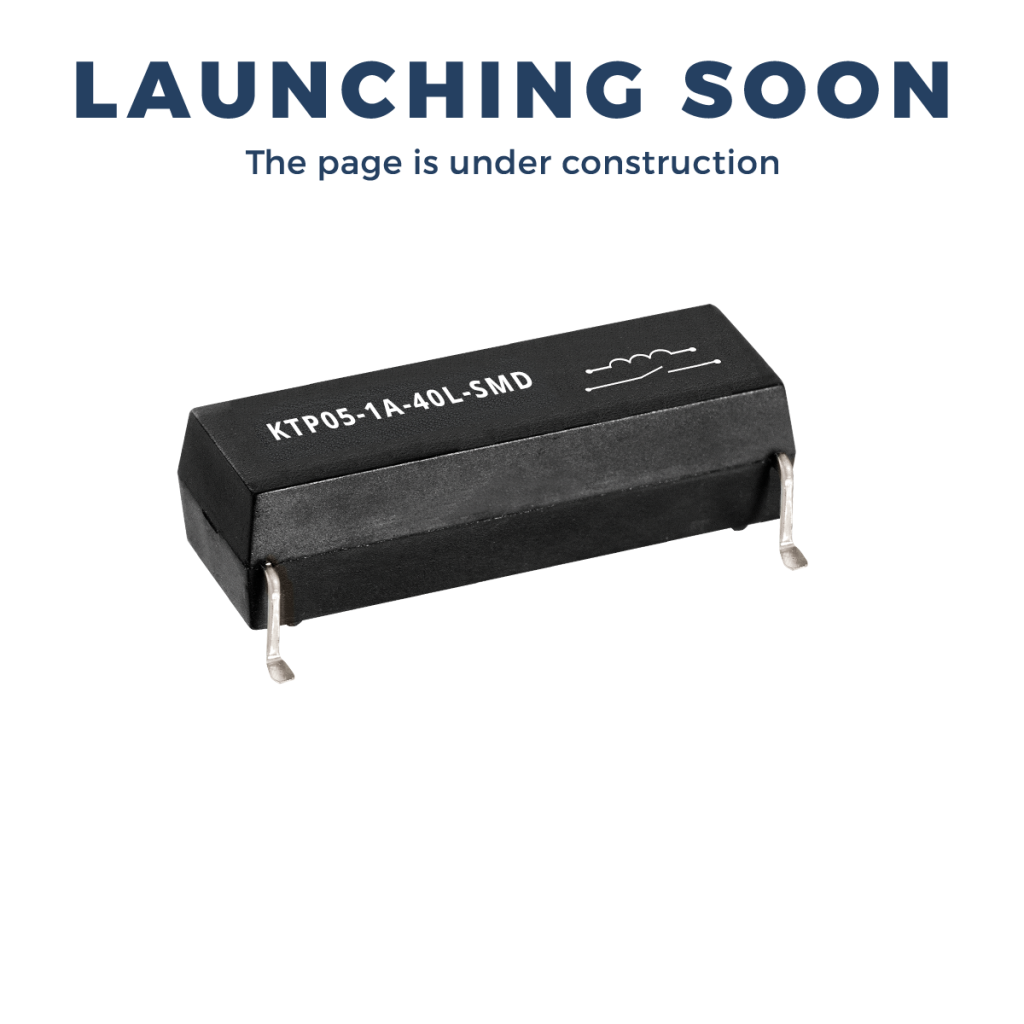
Featured Products
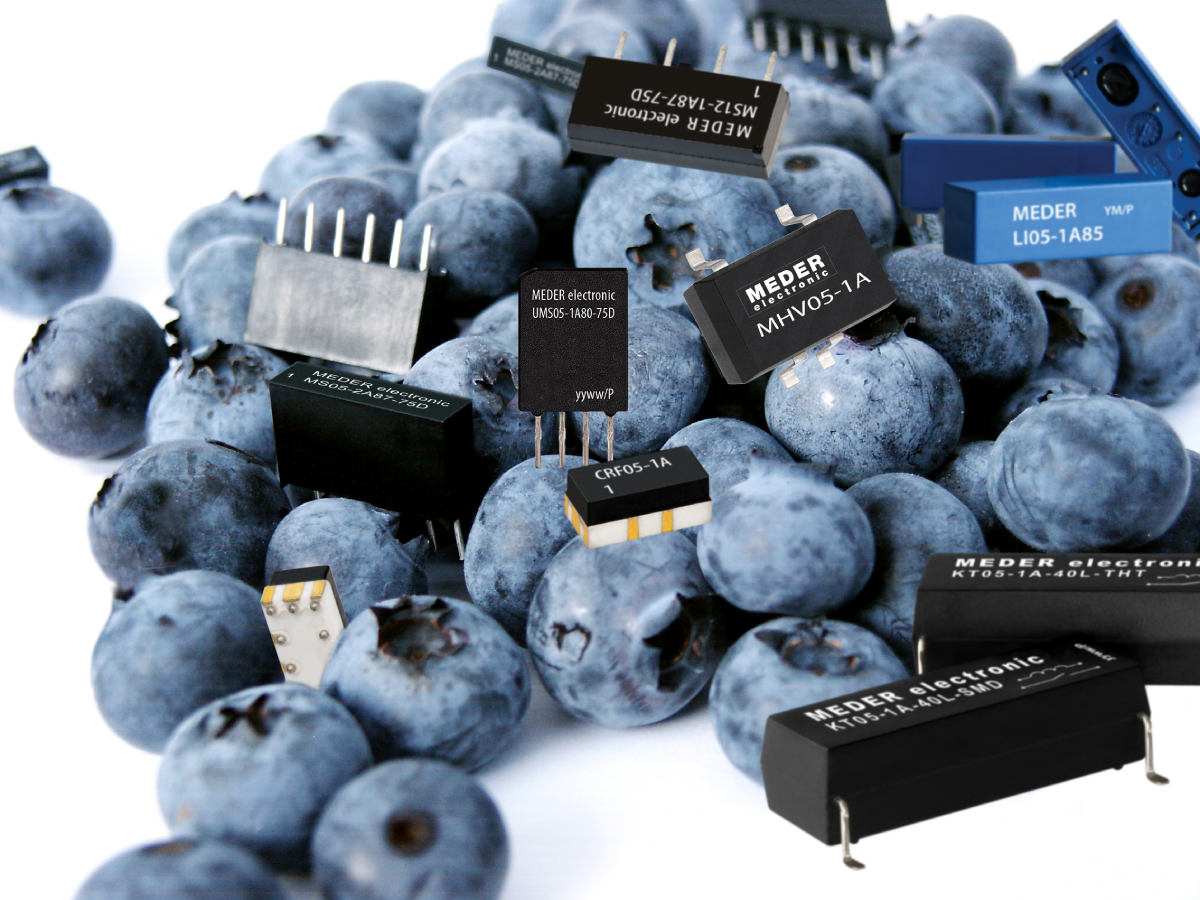
Jump to: The High-Voltage Isolation Challenge | Why Reed Relays | Advantages for EV Applications | Where Reed Relays Are Used | Automotive Safety Standards | Reed Relays vs. Alternative Technologies | Small Size, Big Performance | Key Takeaway for Engineers
Key Takeaway for Engineers
If your application requires:
If your application requires:
- High-voltage isolation
- Ultra-low leakage current
- Long-term reliability
- Stable, repeatable measurements
Reed relays are one of the most robust and proven solutions for electric vehicle isolation measurement.
Learn how to design with high-voltage reed relays
Designing an isolation measurement circuit for an electric vehicle?
Reed relays offer a reliable, low-leakage solution for high-voltage automotive applications. Explore how Standex Detect reed relay solutions support EV safety and performance. Reach out to our relay experts to discuss your project!
Related Articles
-
High-Voltage Insulation Monitoring for Next-Generation BESS
Learn how insulation monitoring helps improve safety, reliability, uptime, and asset protection in Battery Energy Storage Systems (BESS). Explore high-voltage monitoring solutions for 1,000–1,500 VDC energy storage applications.
-
When Standard Sensors Aren’t Enough
Real-world applications rarely operate under ideal conditions. Temperature extremes, fluid exposure, vibration, contamination, and limited installation space can all impact sensing performance and long-term reliability. Learn how custom sensor solutions help overcome these challenges and deliver reliable operation in demanding industrial, transportation, EV, agricultural, and energy applications.
-
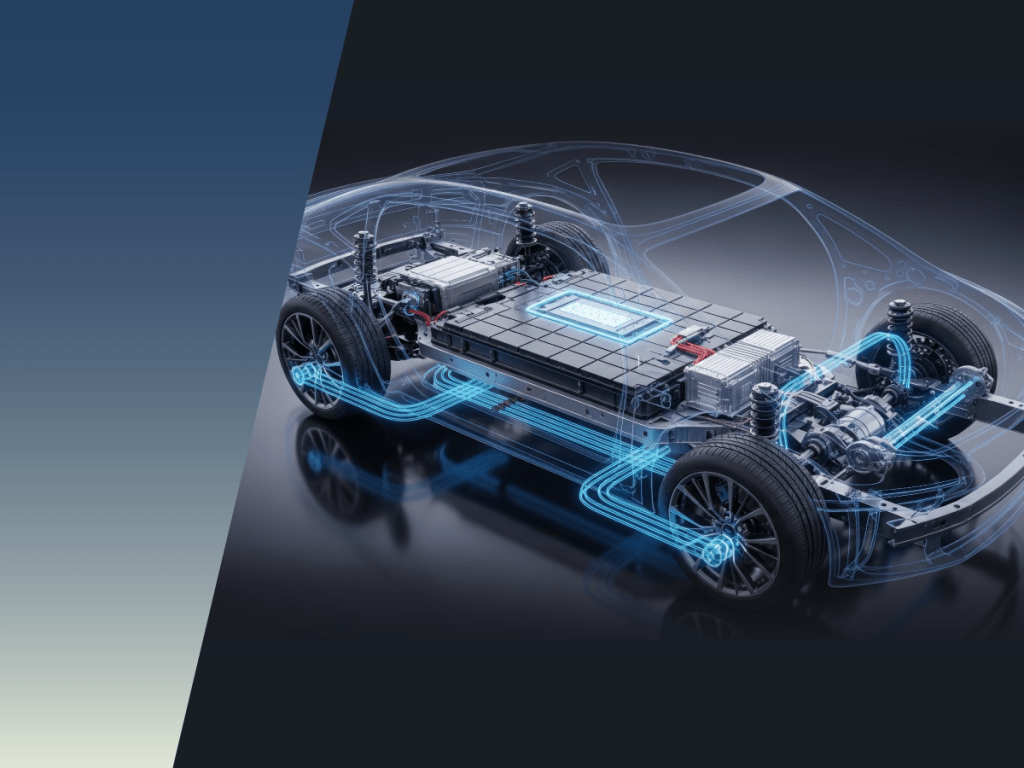
Reliable Sensing for Safer, More Efficient EV Systems
Learn how reliable sensing supports safer, more efficient EV systems. Explore applications in battery management, charging systems, fluid monitoring, and safety detection and discover how advanced sensing technologies help improve performance, reliability, and operational safety.
-

Designing High-Density Switching Architectures Without Sacrificing Precision
Learn how engineers can increase channel density while managing capacitance, crosstalk, and PCB design constraints in modern semiconductor test systems.
-
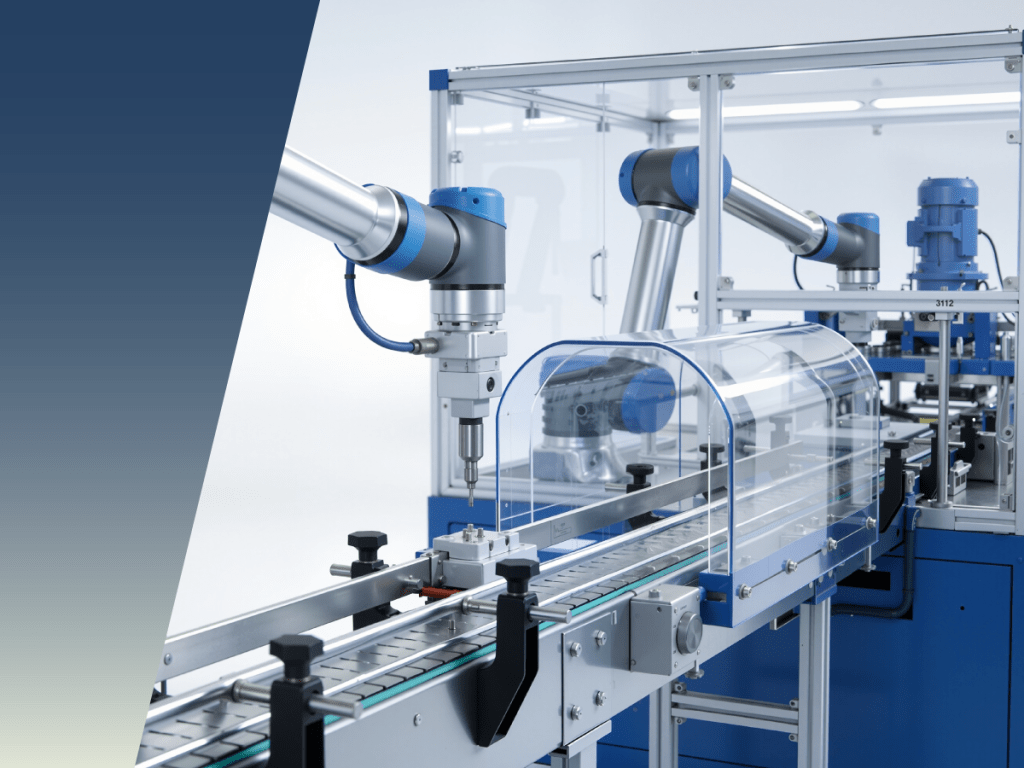
Eliminating Downtime in Motion Systems with Precision Sensing
Learn how precision sensing helps eliminate downtime in industrial motion systems. Explore real‑world applications in automation, high‑power loads, and fluid‑dependent systems and see how reliable sensing improves uptime and system performance.