
Reed relays play a crucial role in maintaining safe, reliable insulation within high‑voltage medical and energy storage systems, where precision and protection are essential. Their high breakdown voltage, exceptional isolation, and low leakage current make them ideal for monitoring dielectric strength and preventing hazardous system failures. As voltages rise in technologies like advanced medical devices…
If there are particular areas you need help with, feel free to skip to any of the following sections:
- High-Voltage Systems Demand Reliable Insulation Measurement
- Why Reed Relays Excel in Insulation Measurement
- Insulation Measurement Applications in Diverse Fields
- Advantages Over Competing Technologies
- Conclusion
High-Voltage Systems Demand Reliable Insulation Measurement
In a world increasingly powered by high-voltage systems, ensuring safe and efficient operation is paramount. Whether it’s advanced medical applications or critical energy storage systems, the need for precise and dependable insulation measurement is more critical than ever. Among the various components used for this purpose, reed relays stand out as a technology offering a compelling combination of functionality, longevity, and reliability.
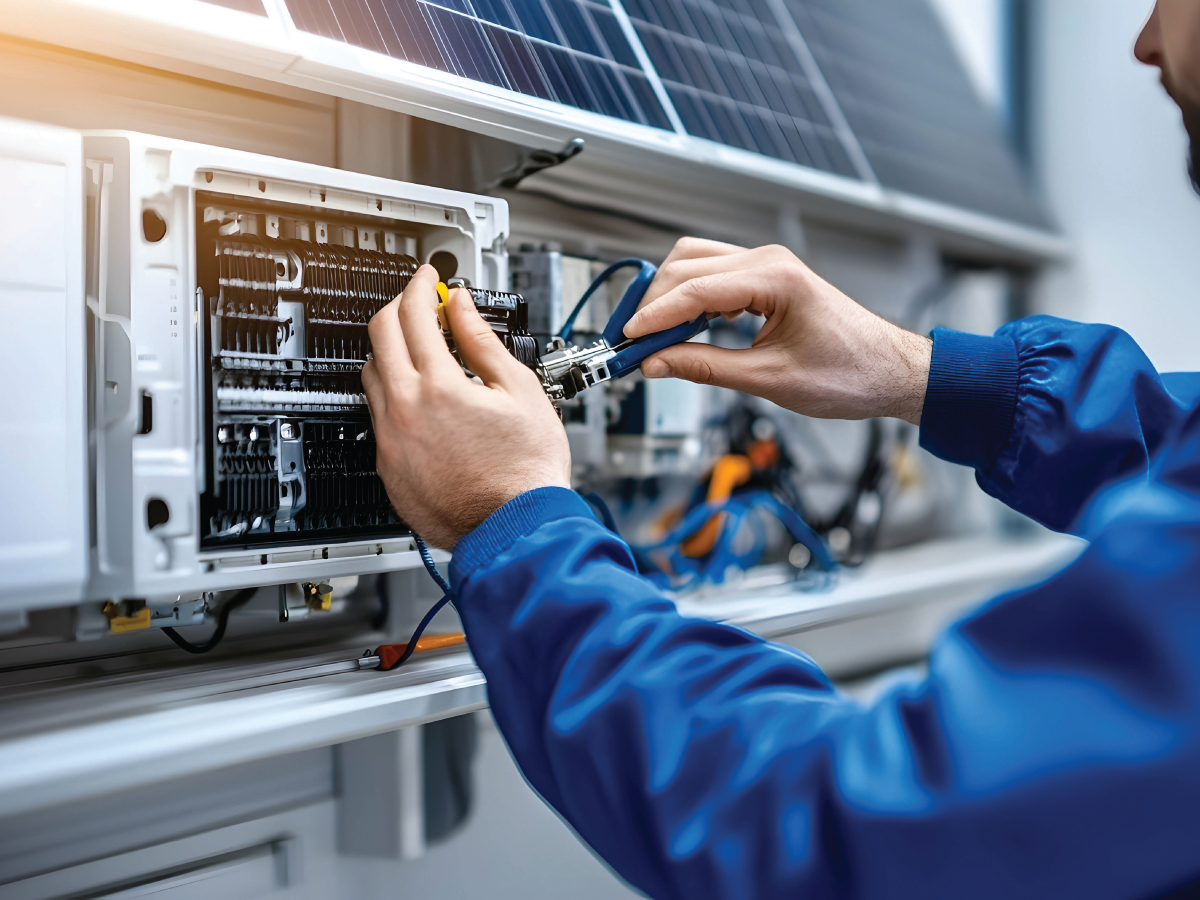
High-voltage systems, such as those found in medical devices and energy storage systems, necessitate robust insulation between different electrical networks to prevent electric shock and system malfunctions. In medical applications, preventing electric shock to vulnerable patients connected to devices is crucial.
Similarly, in energy storage systems, the high-voltage battery must be perfectly and safely separated from other components. Regular insulation measurement is essential to monitor the dielectric strength between high-voltage circuits and other parts of the system, such as low-voltage control circuits. This monitoring is required after production and throughout the system’s lifespan to detect any deterioration in isolation that could lead to hazardous situations. Standards often dictate that the isolation voltage must be significantly higher (e.g., 3-4 times) than the operating voltage to ensure safety.
Check out the full list
of Standex’s testing
and certifications:
of Standex’s testing
and certifications:
- AEC-Q200
- IEC 60810-4
- IEC 60601-1
- IEC 62109-1/2
- IEC 60664-1
- ISO 6469-3
- IEC 60255-27
- UL Listed
- RohS, REACH
Why Reed Relays Excel in Insulation Measurement
While various components can be used for isolation measurement, reed relays are exceptionally well-suited for this critical task. Their inherent design and properties offer several key advantages:
1. High Breakdown Voltage
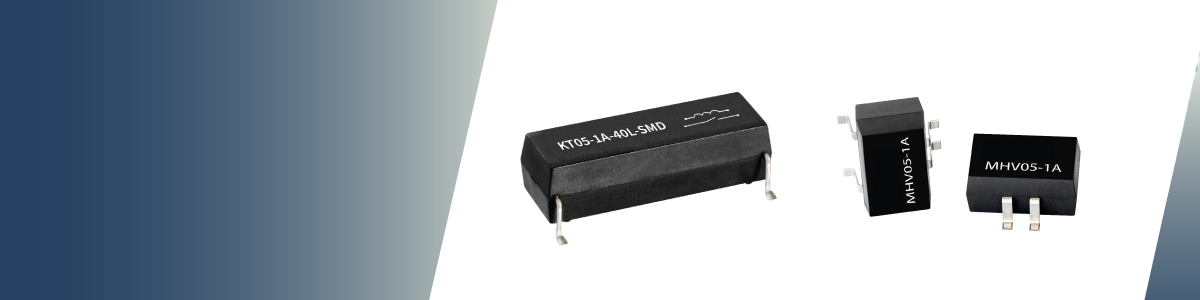
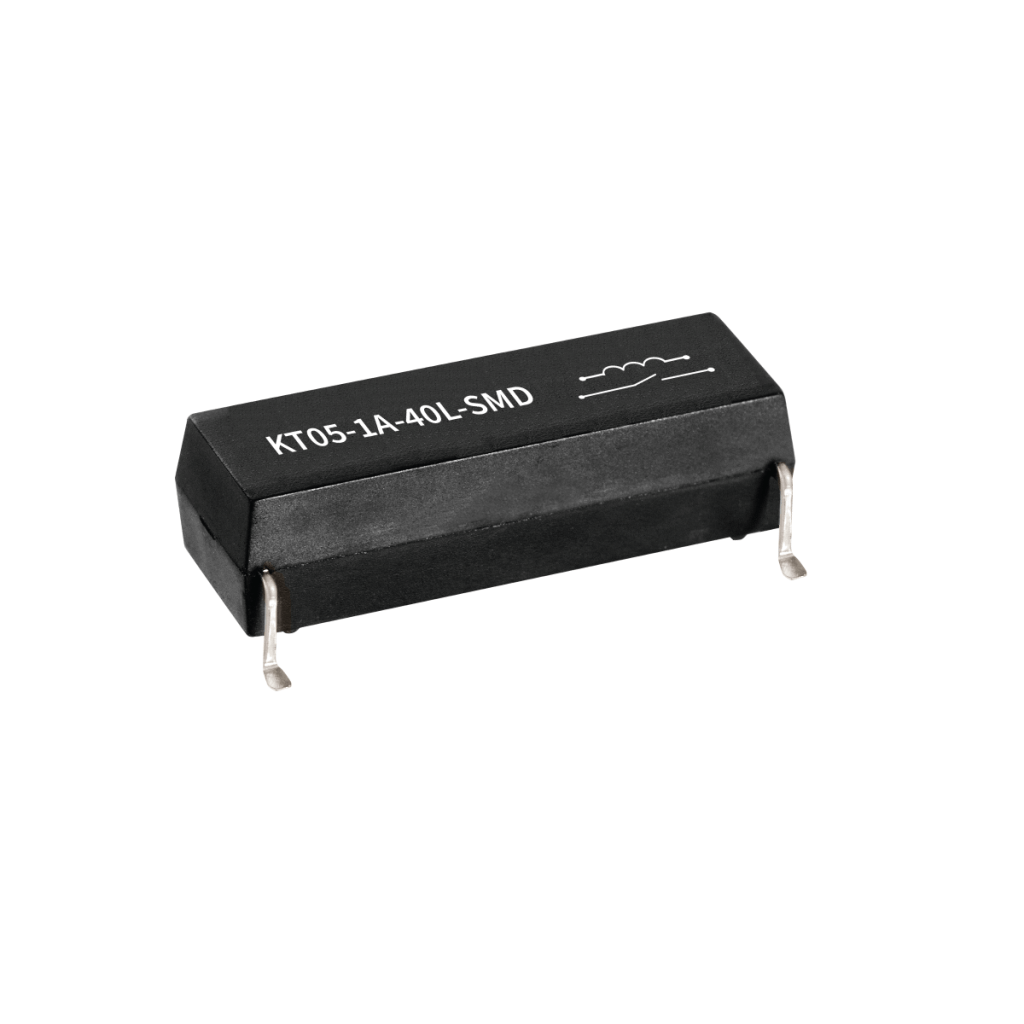
Withstanding up to 6 kV DC, these compact size KT relays will handle systems with a significant factor of safety. This capability ensures the system’s reliable operation even with transient voltage spikes common in high-voltage electrical systems. The safety factor, typically 1.5 to 2 times the maximum expected voltage, provides a crucial buffer against unexpected surges.
2. Excellent Isolation
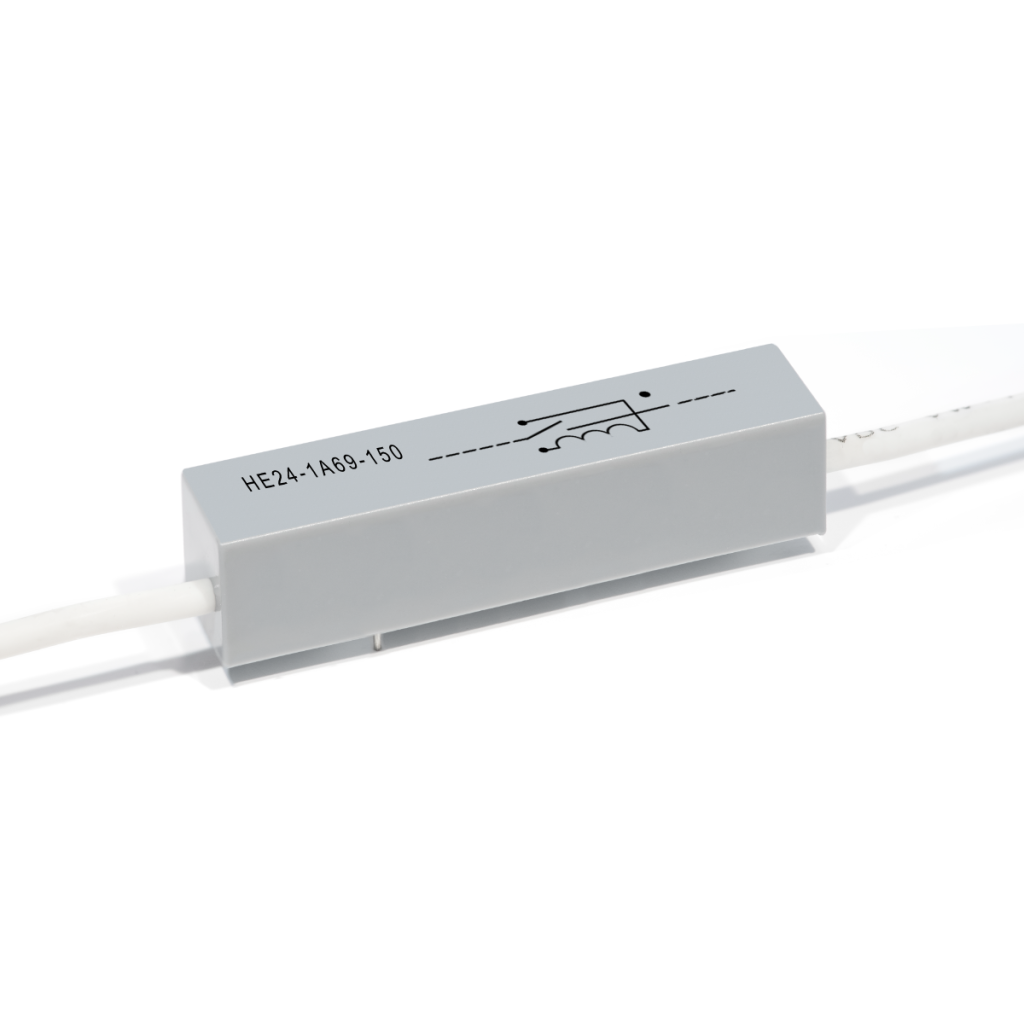
A coil-to-contact isolation voltage of 7 kV DC for the KT series protects control and power circuits. This high isolation maintains the integrity of sensitive electronic systems, creating a robust barrier between low-voltage control signals and high-voltage power circuits. Some high-voltage reed relays for medical applications such as the HM series can even achieve dielectric strength up to 20 kV.
3. Low Leakage Current
Insulation resistance exceeding 10^13 ohms minimizes unwanted current flow between isolated circuits, which is crucial for the system reliability and accuracy. This high resistance ensures negligible power loss due to leakage, enhancing system efficiency and safety.
4. Compact, Rugged Design
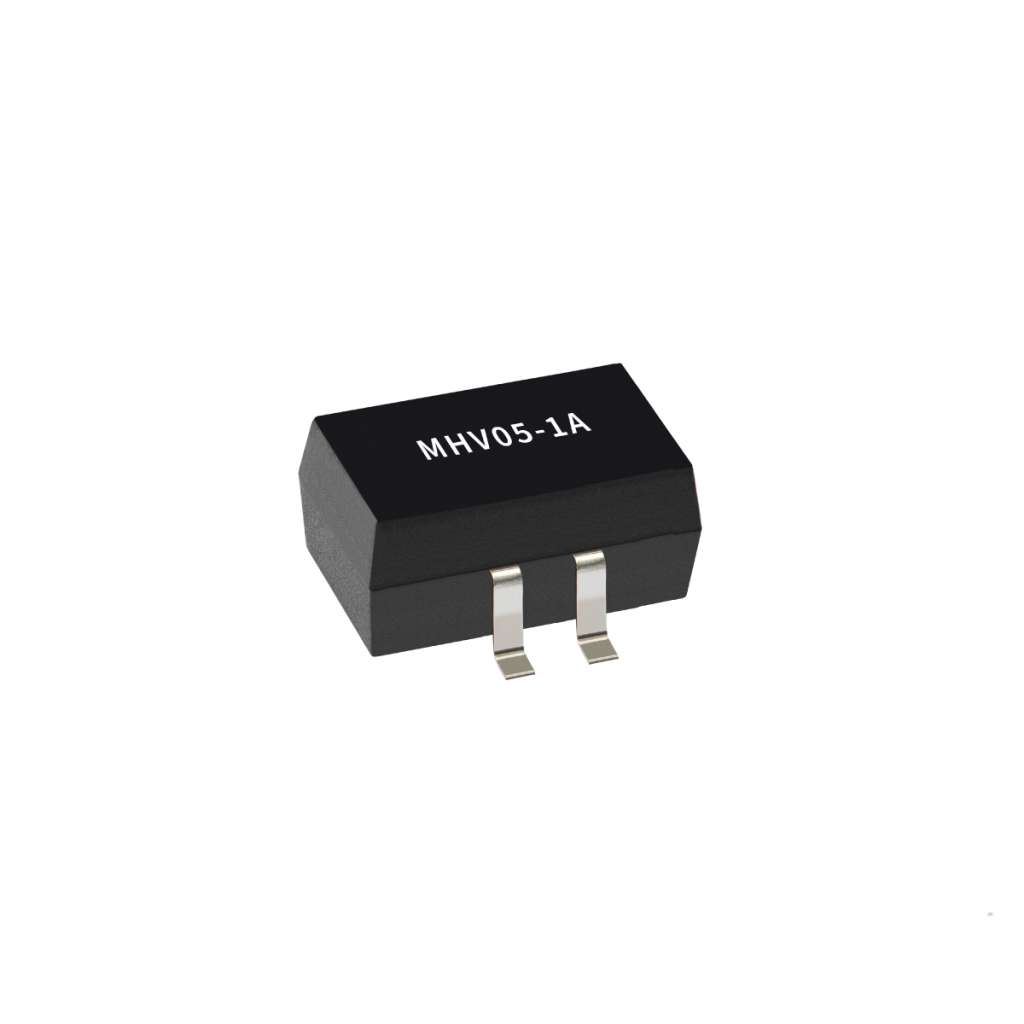
Available in through-hole and surface mount options, these relays feature a thermoset over-molded package for durability. The design allows for high-density circuit board placement while protecting against vibration, dust, and moisture.
Insulation Measurement Applications in Diverse Fields
The advantages of reed relays make them a preferred choice for insulation measurement across various high-voltage applications:
Medical Devices
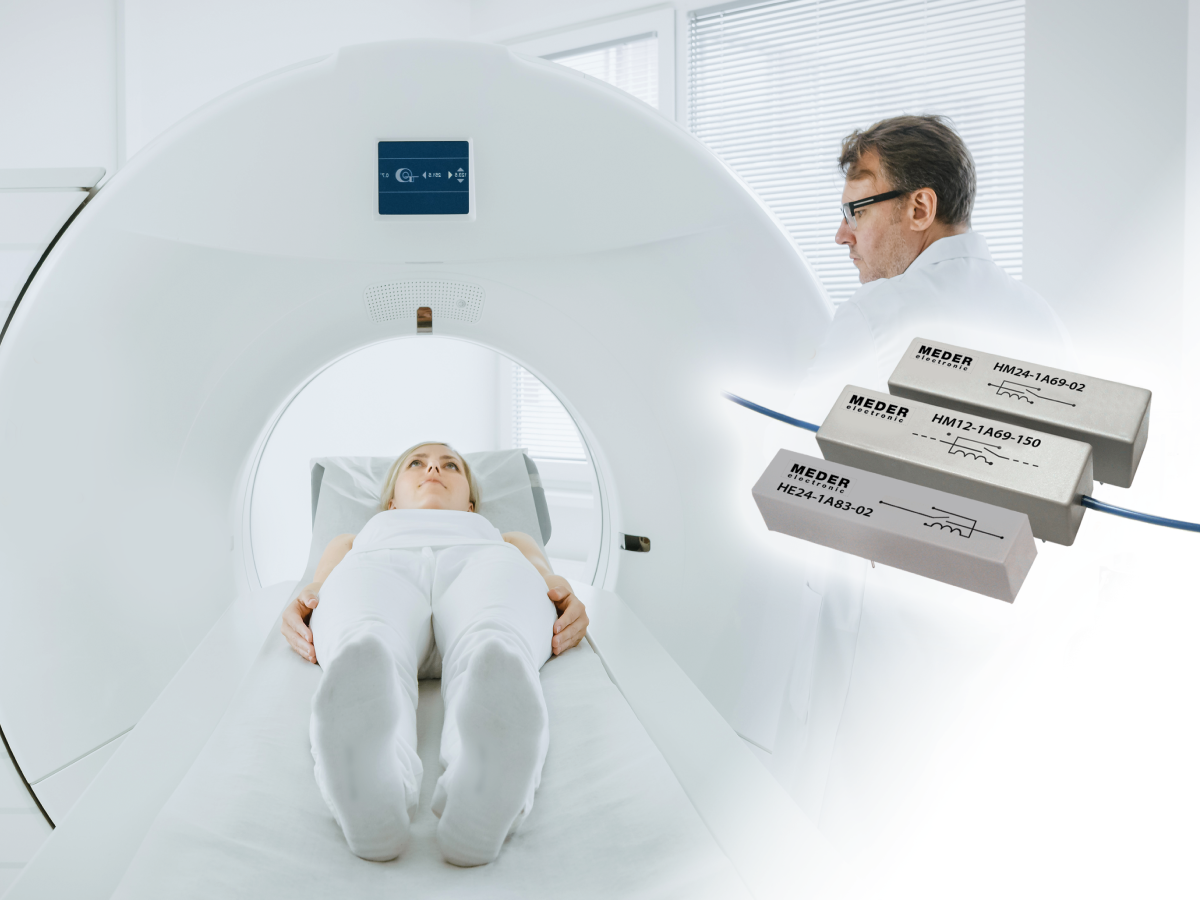
In advanced medical applications, reliable electric isolation is crucial for patient and healthcare worker safety and for ensuring accurate measurements. High-voltage reed relays are used in devices like:
- Pulsed Field Ablation (PFA) systems
- Intravascular Lithotripsy (IVL) devices
- Electrophysiology & Cardiac Ablation Systems
- Surgical Generators
- Automatic External Defibrillators (AEDs)
- Defibrillator Testers
They ensure the precise delivery of energy, prevent leakage, and maintain safety in high-voltage procedures.
Meeting the Requirements:
- Creepage distance
- Frequency
- Current
- Voltage
- Isolation
Energy Storage Systems (ESS)
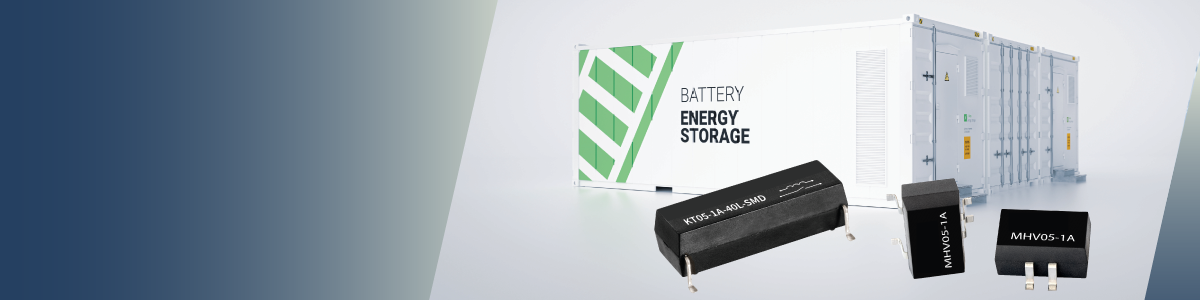
Similar to EVs, energy storage systems rely on high-voltage batteries and require continuous monitoring of insulation to prevent hazards. Nowadays, the most common voltage level of the ESS systems is up to 1500V, the future trends indicate an increase up to 2500V.
With the increasing voltage level, the safety becomes even more important. Reed relays are used in the Battery Management Systems of energy storage solutions to isolate high-voltage and low-voltage circuits for periodic insulation resistance measurements. In transformer-less high-voltage inverters used in ESS for solar energy, reed relays can act as a bridge to carry the test current for insulation monitoring before or after grid connection.
Advantages Over Competing Technologies
Reed technology has several distinct advantages over alternative switching technologies:
1. Speed
Achieve faster operation than traditional electromechanical relays, typically under 1 – 3 milliseconds. This rapid switching is indispensable for responsive system control and protection, particularly in overcurrent protection or system fault isolation.
2. Longevity
With a life expectancy of millions of operations, these reed relays outlast many competing technologies, ensuring reliable operation throughout the systems lifetime. This longevity is crucial in medical and energy storage systems, where downtime can lead to significant consequences. In medical systems, reliable operation is essential to ensure patient safety and continuous care. Similarly, in energy storage systems, uninterrupted performance is vital to maintain power supply and prevent economic losses.
3. No Wetting Current
Unlike some electromechanical alternatives, reed relays don’t require a minimum current to maintain conductivity, making them ideal for a low-power sensing and control applications. This allows for a more flexible system design and can improve overall energy efficiency.
4. Inherent Isolation
The hermetically sealed reed switch provides natural galvanic isolation between control and switched circuits, enhancing safety and reducing electromagnetic interference. This isolation is paramount in high-voltage systems to protect sensitive control electronics.
Featured Products

Conclusion
Reed relays have proven to be indispensable components for ensuring safe, accurate, and reliable insulation monitoring in both medical and energy storage systems. Their high isolation capabilities, fast switching speed, long operational life, and durability under demanding conditions make them a trusted choice for critical high‑voltage applications. As technology continues advancing toward higher power and greater efficiency, reed relays will remain essential in supporting the next generation of safe, high‑voltage medical and energy solutions.
Powering the Future of High-Voltage Technology
The growing use of high-voltage systems in transportation, healthcare, and energy demands reliable insulation measurement. Reed relays provide an ideal solution with their high isolation capabilities, minimal leakage current, fast switching, environmental robustness, and compliance with safety standards. Their proven performance in electric vehicles, medical devices, and energy storage systems makes them essential for ensuring the safety and efficiency of high-voltage systems. The trend towards smaller, more power-efficient reed relays further highlight their importance in the future of high-voltage technology.
We are developing higher-power reed relays to meet evolving alternative energy and medical market demands. These new relays will offer greater voltage and current handling capabilities, paving the way for next-generation electronic equipment. Standex Detect is committed to advancing high-voltage switching and control technology. Ensuring that as your high-voltage technology evolves, Standex will be ready with cutting edge solutions to meet new challenges.
Related Articles
-
The Unseen Strength: High-Voltage Reed Relays for Cable Testers
High‑voltage testing demands components that ensure safety, reliability, and long‑term performance. Reed relays are engineered for these conditions, delivering high isolation voltage, exceptional insulation resistance, low ON resistance, and low capacitance. Their ability to switch everything from micro‑level signals to high‑power loads enables precise measurements across vast high‑voltage test systems.
-

Core Sensing Technologies Driving Industry 4.0 Warehousing: An Engineer’s Technical Guide
Industry 4.0 warehouses rely on robust sensing technologies that ensure precise, real‑time control of AGVs, AMRs, conveyors, and robotic systems. Reed switches, Hall Effect sensors, and gear tooth sensors provide reliable detection, motion feedback, and rotational data even in harsh industrial environments. Supporting components like reed relays and optocouplers maintain clean, isolated signal paths across…
-
RF Reed Relays for SoC Testers
As today’s SoC devices push further into multi‑GHz RF, multi‑Gbps digital, and precision analog domains, the pressure on test systems to deliver clean, repeatable measurements has never been greater. At the heart of this performance is reliable signal switching and that’s where RF reed relays stand apart.
-
Enabling Safe and Efficient High-Voltage Electrical Systems: High-Voltage Reed Relays in Pre-Charge Circuits
Pre-charge circuits prevent damaging inrush currents during startup in EVs and energy storage systems. Reed relays make these circuits faster, safer, and more reliable with high voltage tolerance, compact design, and long life, ideal for modern electrification.