
Welcome to Standex Detect

Standex Detect is the new name for our precision reed switches, sensors, and relays business.

English
Home Blog Page 3

Blog

The Standex Detect blog provides in-depth insights into reed switches, relays, and sensor technologies that power innovation across industries. Here you’ll find technical expertise, product updates, and application examples designed to support engineers, designers, and decision-makers as they explore reliable solutions for detection challenges.

  • Reed Switches vs. Hall Effect Sensors: Key Differences in Magnetic Sensing

    Reed Switches vs. Hall Effect Sensors: Key Differences in Magnetic Sensing

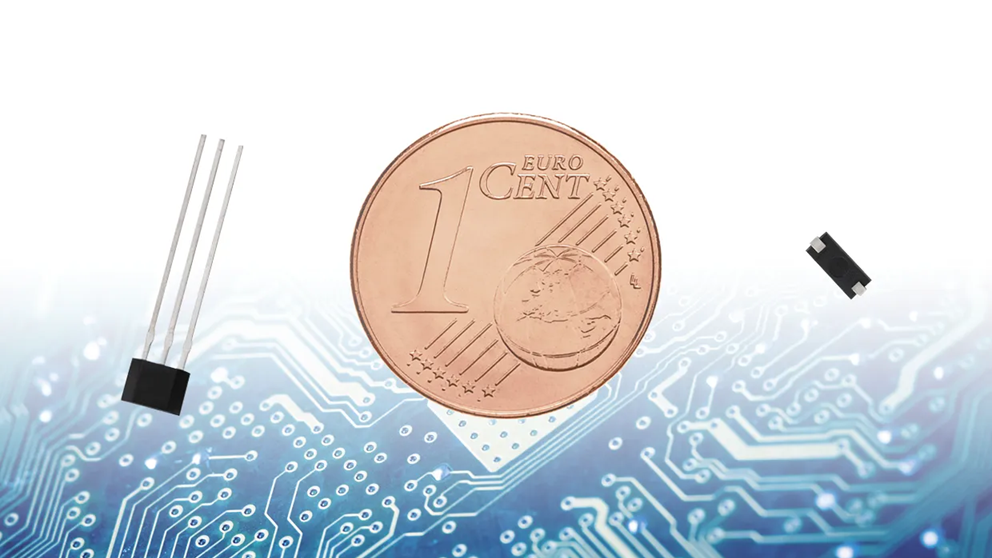
    Reed switches and Hall effect sensors are two widely used magnetic sensing technologies, each offering distinct advantages depending on power, speed, reliability, and environmental requirements. While both rely on magnetic fields for actuation, their operating principles differ significantly making the choice between them critical for system performance and efficiency.

  • Reed Switches and Dynamic Contact Resistance

    Reed Switches and Dynamic Contact Resistance

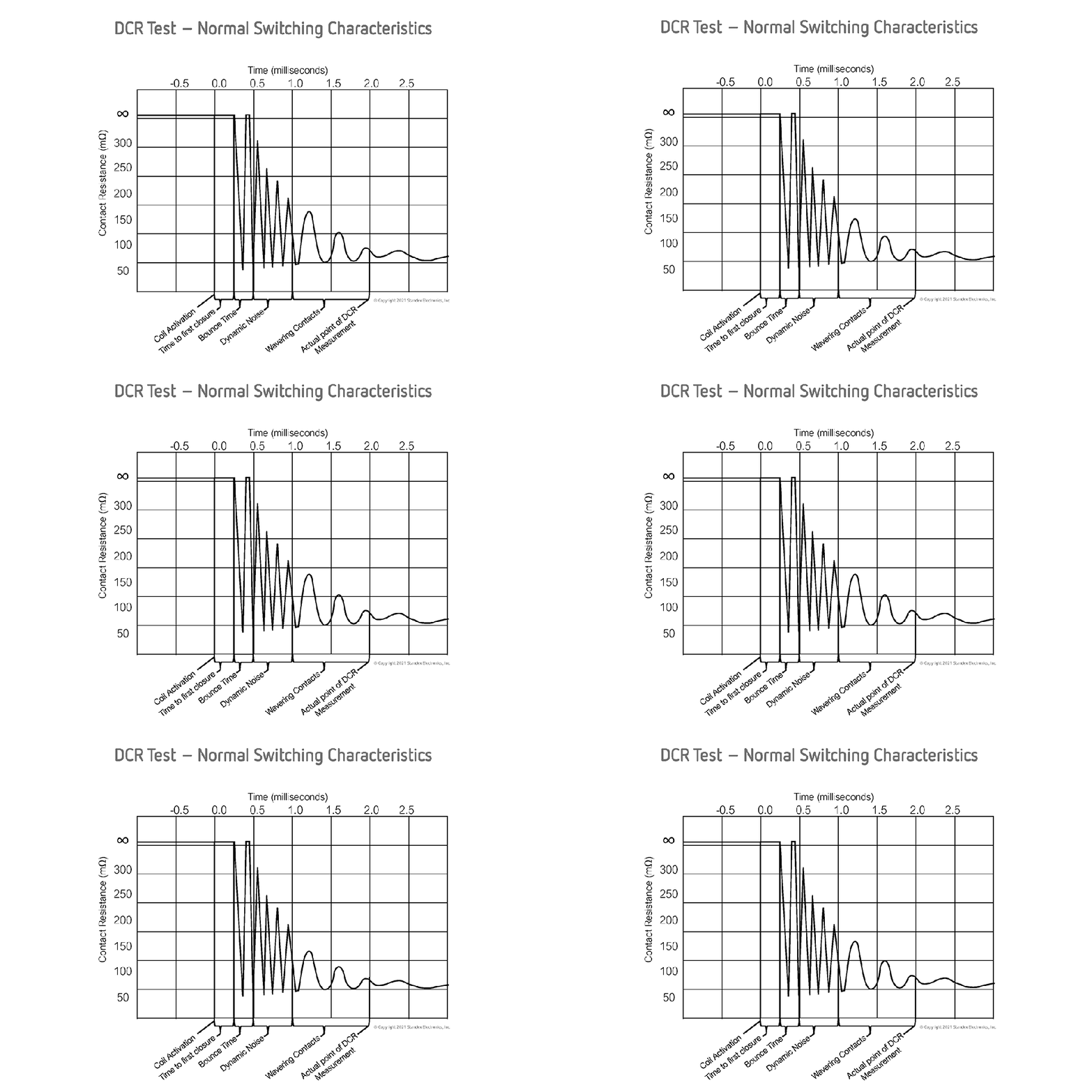
    Dynamic contact resistance (DCR) testing plays a critical role in ensuring long-term reed switch reliability. While reed switches appear simple, the act of switching involves complex mechanical and electrical interactions that can lead to premature failure if not properly tested.

  • How Magnet Interaction Affects on Reed Switch Operations

    How Magnet Interaction Affects on Reed Switch Operations

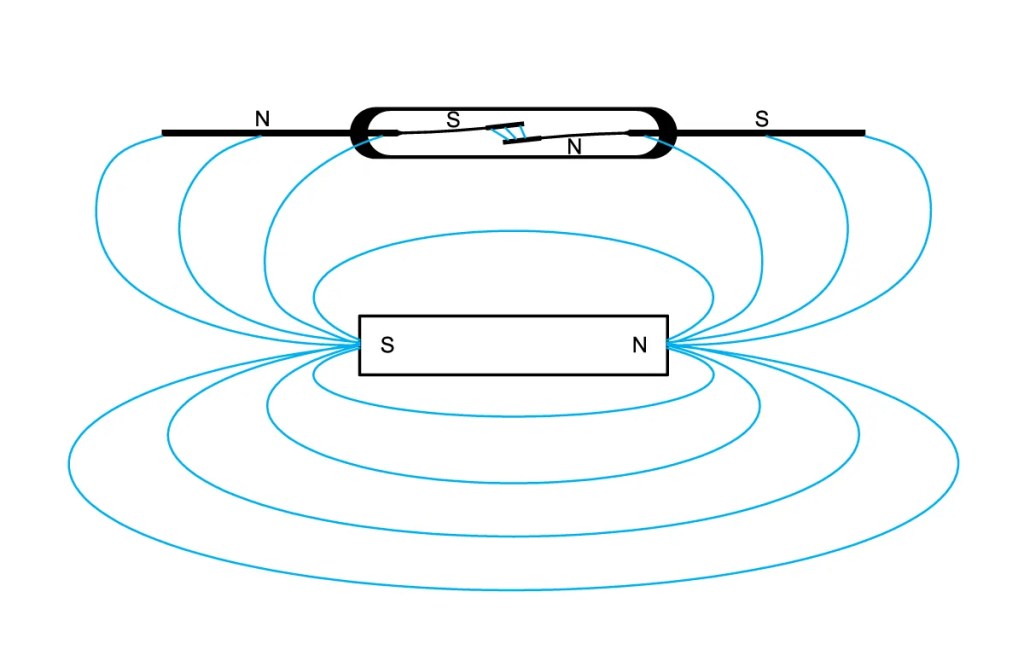
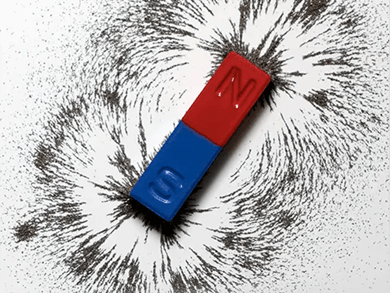
    Understanding how a magnet interacts with a reed switch is critical for reliable sensor and switching performance. In this article, you’ll learn: • How magnetic flux influences reed switch operation • How magnet position and movement affect contact behavior • Common magnet orientations used in reed sensor applications

  • What are the Basic Principles of Magnet Interactions?

    What are the Basic Principles of Magnet Interactions?

    Magnet interactions are critical to how reed switches operate in sensing applications. The size, strength, orientation, and placement of a magnet directly affect when and how a reed switch opens or closes. Understanding these basic principles helps engineers design more reliable, efficient, and repeatable magnetic sensing systems across industrial, automotive, and consumer applications.

  • What is a Reed Switch and How Does it Work?

    What is a Reed Switch and How Does it Work?

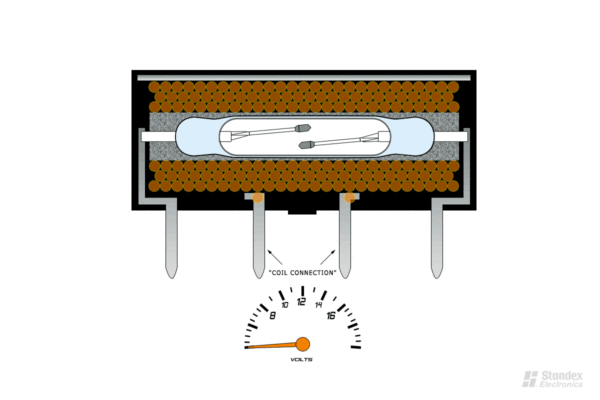
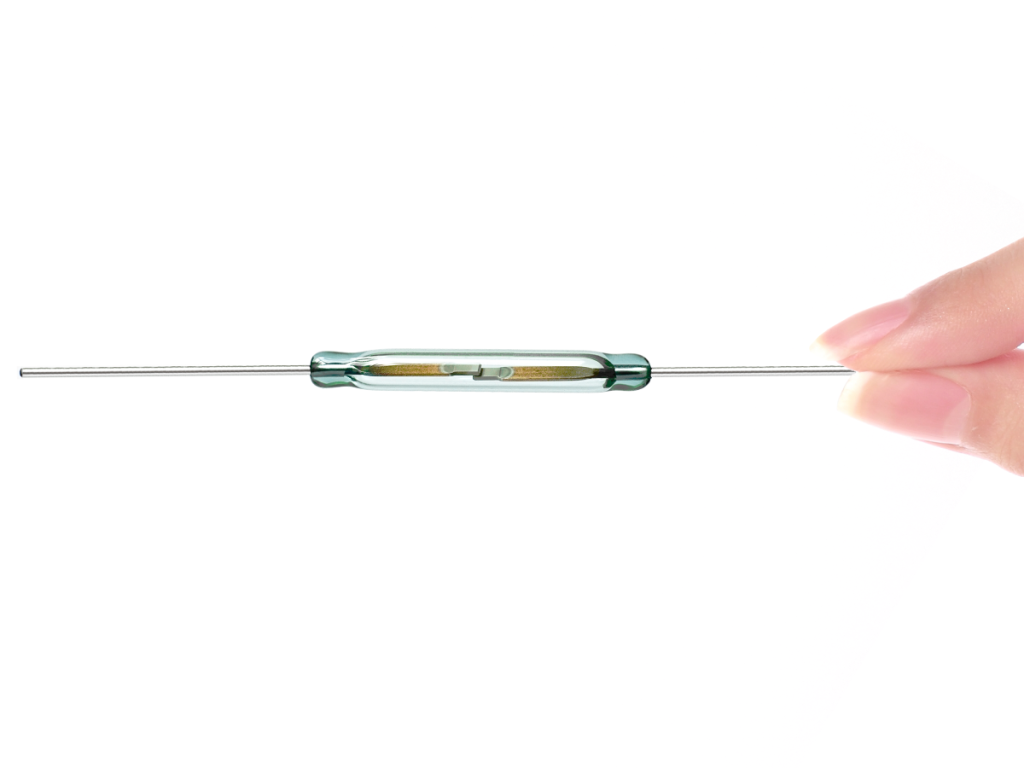
    What is a Reed Switch and How Does it Work – A reed switch is an electromechanical switching device that uses a magnetic field to open or close contacts sealed inside a glass envelope. Because the contacts are hermetically sealed, reed switches deliver exceptional reliability, long life, and consistent performance even in harsh environments.

  • Smart Sensing in Our Wireless World: Powering Wireless Home Security

    Smart Sensing in Our Wireless World: Powering Wireless Home Security

    Wireless home security systems demand sensors that are reliable, energy‑efficient, and built to operate for years without maintenance.As connected homes evolve, smart sensing technologies especially magnetic sensors play a critical role in enabling wireless security, remote monitoring, and low‑power IoT performance. In this article, we explore how smart sensing supports modern home security and why…

  • Why Standex Detect Reed Switches Deliver Reliable, Zero-Power Switching

    Why Standex Detect Reed Switches Deliver Reliable, Zero-Power Switching

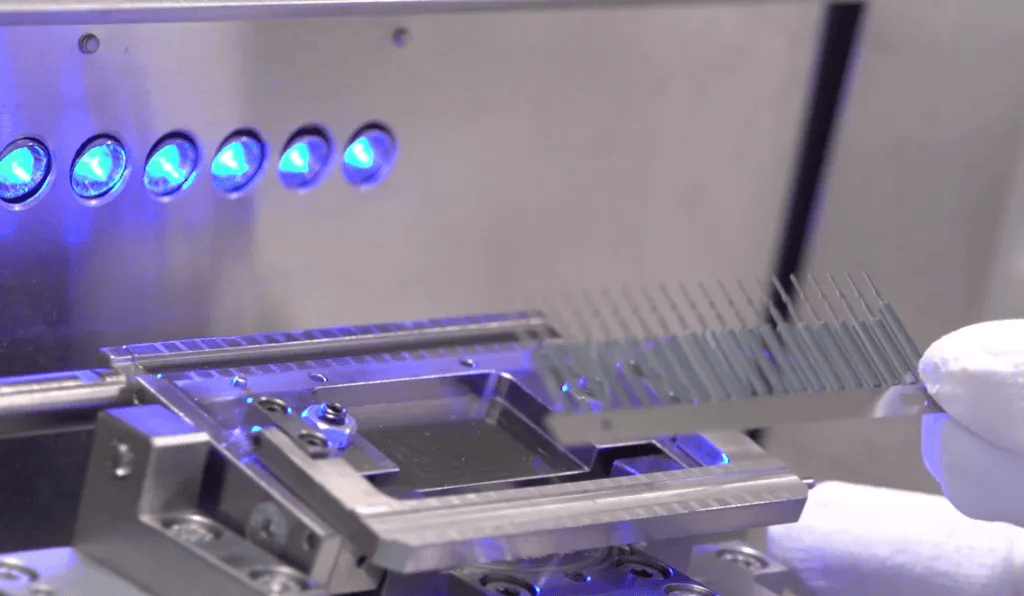
    Standex Detect reed switches deliver billions of reliable operations with no wearing parts. Hermetically sealed and customizable, they perform in the harshest environments across industries from automotive to medical.

Contact Standex Detect

[autopilot_shortcode]